


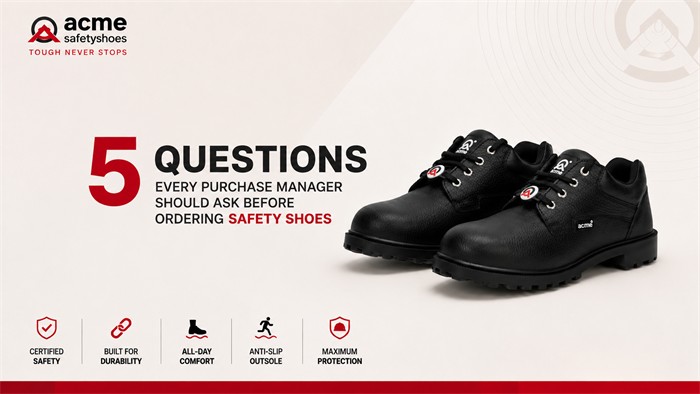


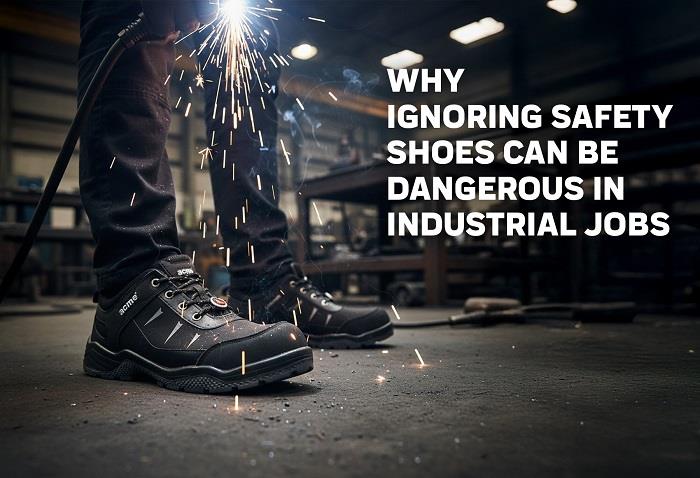
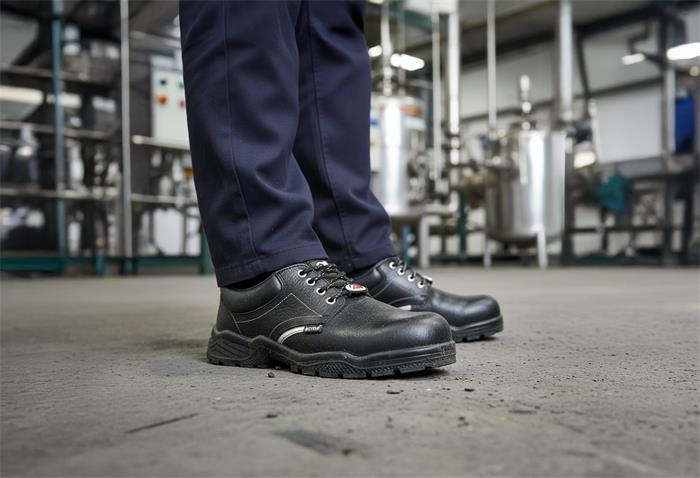
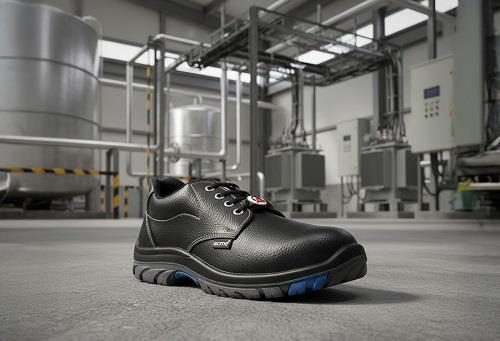
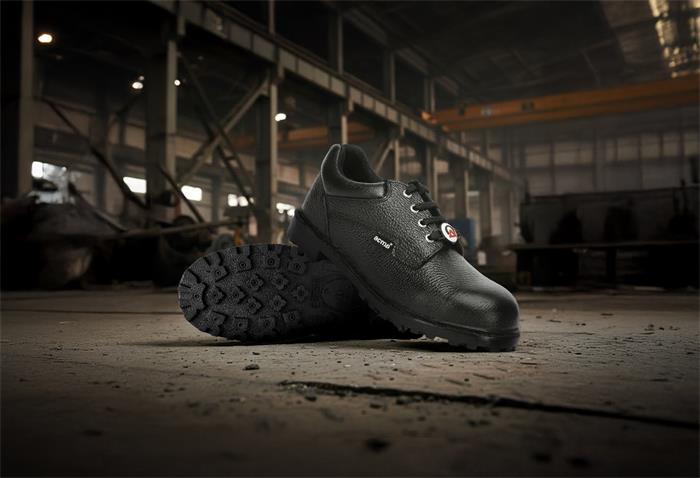

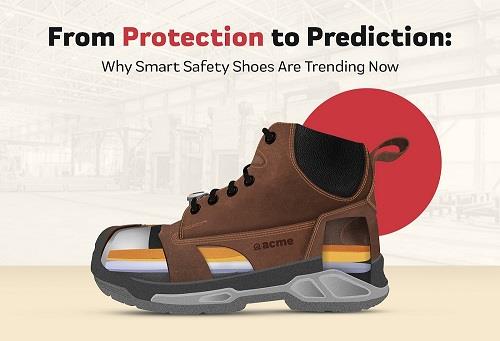

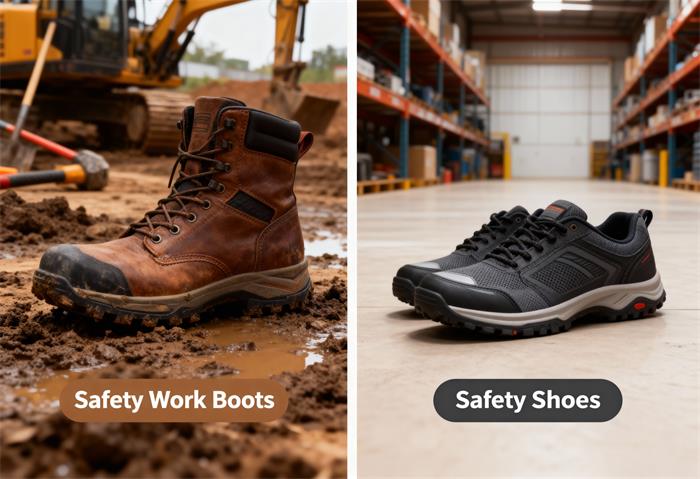







When selecting industrial safety shoes, one should not only rely on cost or comfort of the design. The buyer has to be familiar with the certification process, protective characteristics, materials used in the production of the shoes, quality of production and guarantee conditions before the purchase.
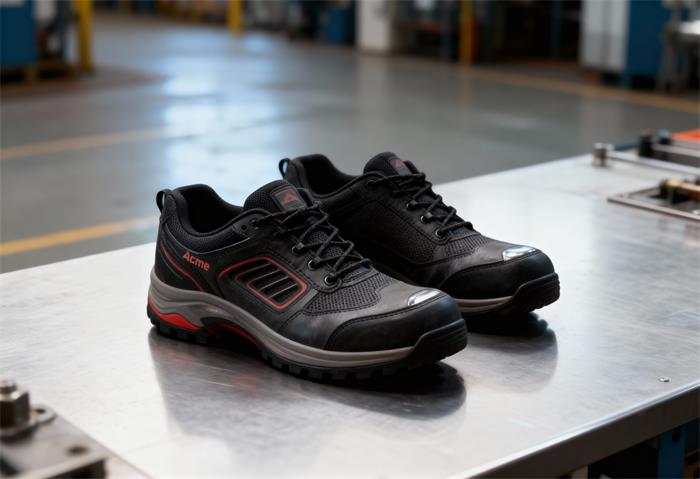
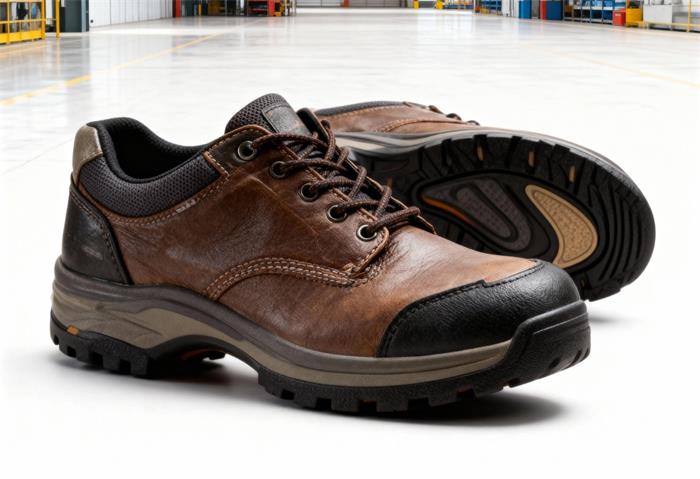
ACME Universal Safezone 9 Limited offers various kinds of best safety shoes manufactured according to different standards. The right choice depends upon the risks present at the working environment and working conditions.
Key points
- What is BIS standard? IS 15298 (Part 2):2024 is the standard for safety shoes, whereas IS 15298 (Part 4):2024 refers to occupational footwear.
- How to verify the certification? One has to determine the relevant Indian standard, BIS license, and the certification for the particular model.
- What should be considered while choosing the materials? One has to compare the toe cap, upper, sole, lining, and footbed with the requirements of the workplace.
- How much ACME safety shoes cost? Prices depend on the model and construction of the shoes. Check the online catalog or the contact for bulk purchase.
- What guarantee is provided by ACME? Some shoes have a warranty of up to 12 months which has to be checked before the purchase.
- Which ACME model should you choose? Compare the certified protection category and individual features rather than relying on appearance or price alone.
1. What Are ISI/BIS Certified Safety Shoes?
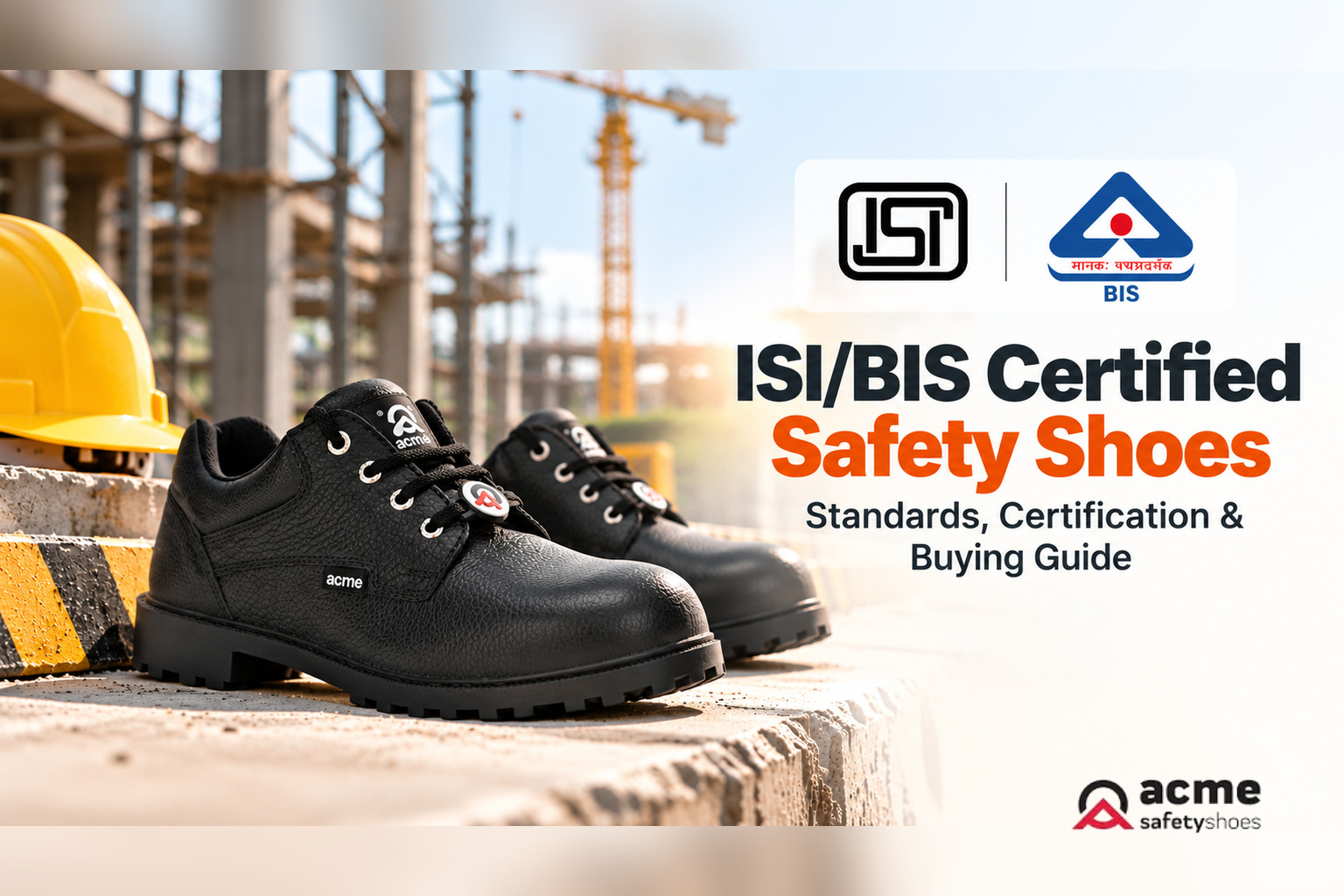
The Bureau of Indian Standards (BIS) is the national standards body of India. BIS certification helps to determine whether a certain product meets the standards given in respective Indian Standards relevant for that license.
Among safety footwear standards, two of them are especially significant:
IS 15298 (Part 2):2024: Personal Protective Equipment, Part 2 Safety Footwear. It is aligned on ISO 20345:2021 but with Indian modifications.
IS 15298 (Part 4):2024: Personal protective equipment, part 4 occupational footwear. This is a standard regarding occupational footwear and must not be treated as equal to safety footwear with protective toe caps.
BIS provides information on these individual standards in their product guides. It is wise for the buyers to find out the particular standard that applies to their workplace instead of believing that these certified work shoes are equal in their protective capabilities.
2. Guidelines for Verifying BIS Certification Prior to Purchase
Prior to acquiring ISI-approved safety footwear, verify the following criteria:
- Standard number validation: Validate if the product complies with IS 15298 (Part 2):2024 or relevant standards.
- BIS license verification: Connect with relevant authorities to check the manufacturer’s BIS license authenticity.
- Match product specifics: Get assurance from the supplier that the particular product model is covered under the certification.
- Check for protection classification: Do verification of the declared category and other protective features obtained by the product.
- Request for documentation: Ask the supplier for information regarding the certification and other product technical information.
Examining the markings is mandatory for directing that the product marking is in line with the governing provisions.
Simply stating that a product is certified is not adequate for confirming the correct specification or current licensing scope of the product.
3. Knowing Safety Shoes Categories
The classification of safety shoes is useful in that it will allow users to understand what kind of protection the safety shoes offers.
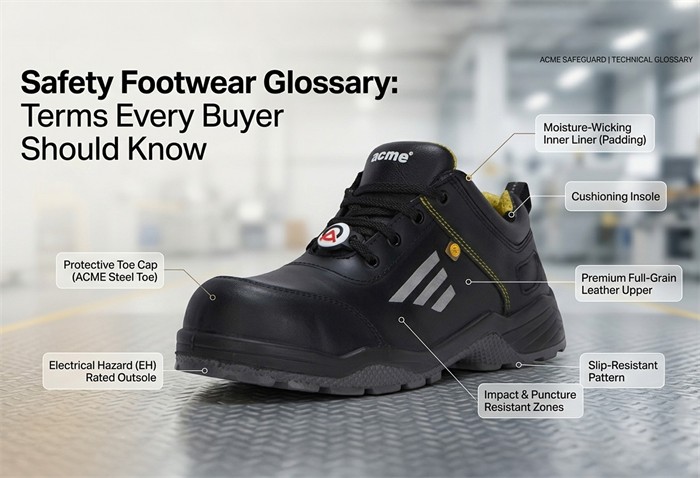
- SB: Basic requirements for safety shoes including the protection from footwear toe cap.
- S1: Safety shoes with heel enclosed, antistatic properties and heel energy absorption feature.
- S2: Footwear must have upper resistance to water penetration and moisture absorption.
- S3: Have additional penetration protection and outsoles with special profile.
- FO: Outsole must be resistant to oil and fuel contact.
- SR: Footwear must meet additional anti-slip standard.
- HRO: Indicates top-level outsole performance during high-temperature contact based on tests.
- SC: The scuff cap must show good resistance against scratches.
These classifications cannot be confused. For instance, just because the upper part of a shoe is water-resistant, that does not mean that the entire shoe is waterproof.
4. ACME Safety Shoes: An Overview
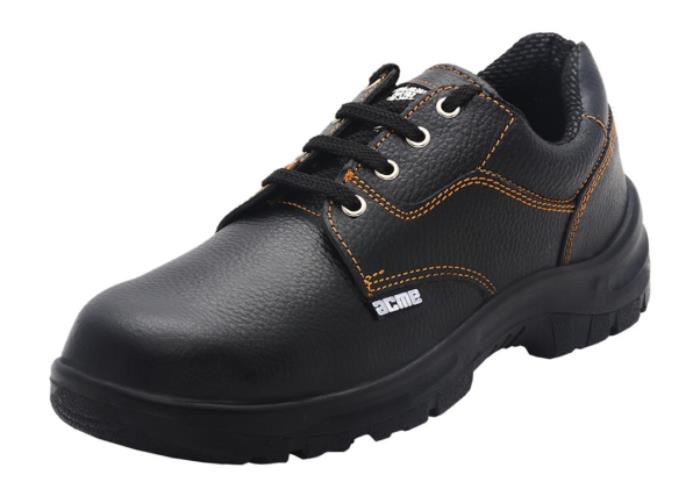
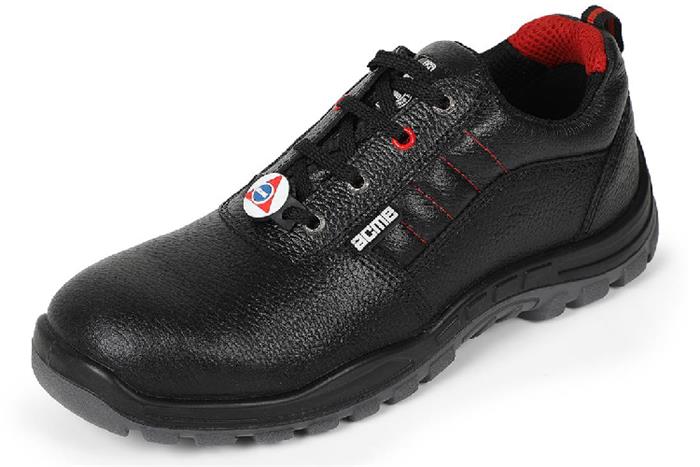
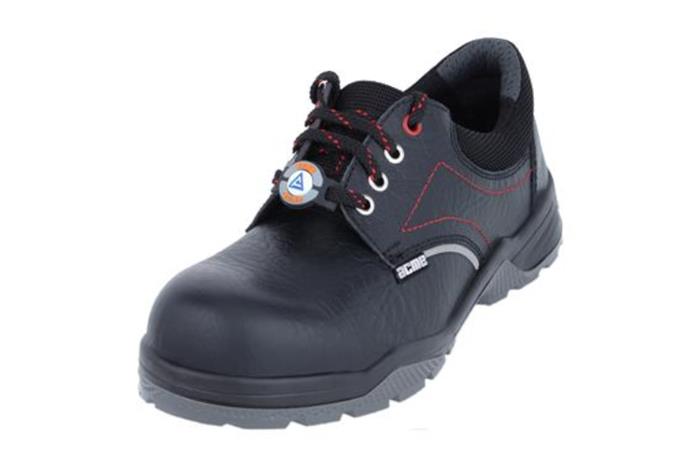
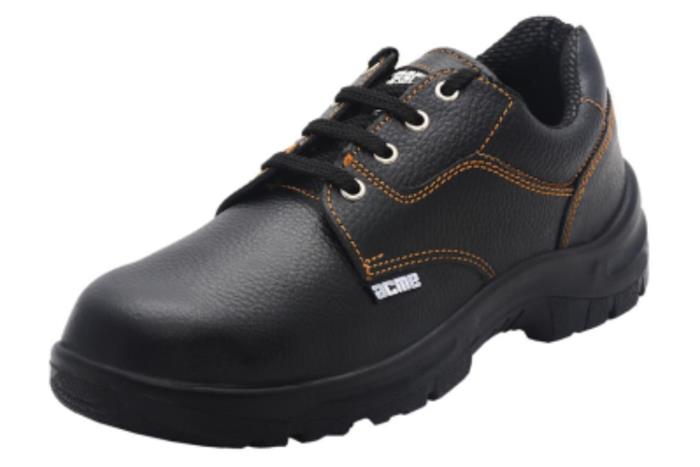
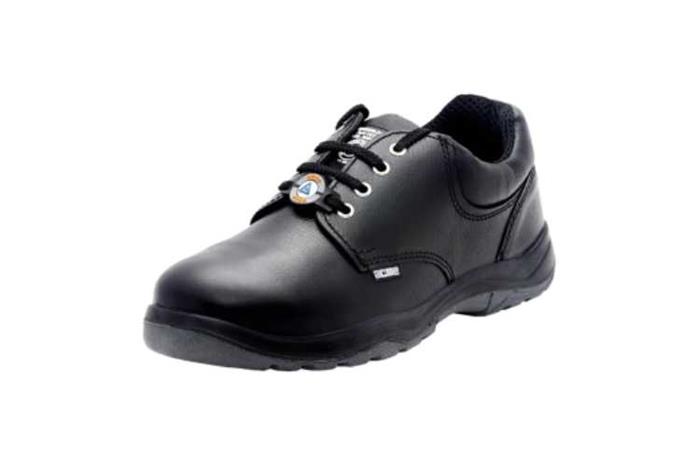
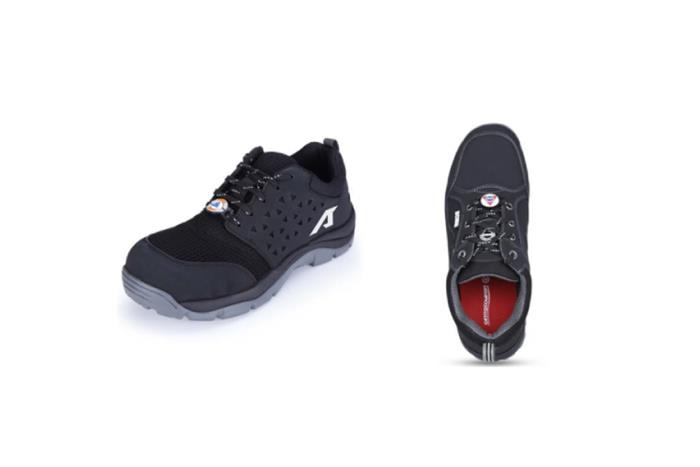
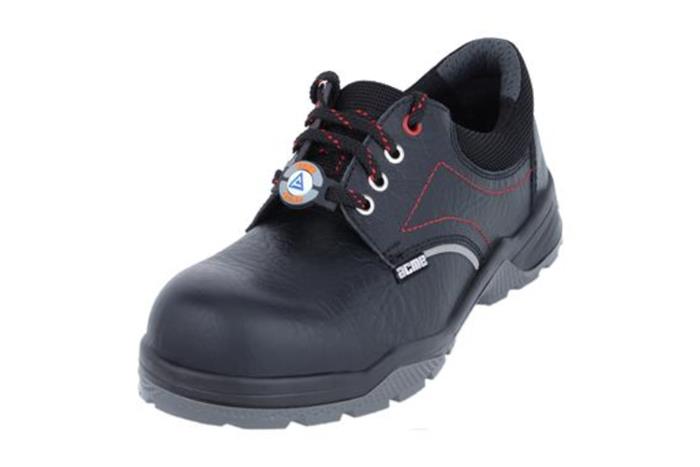
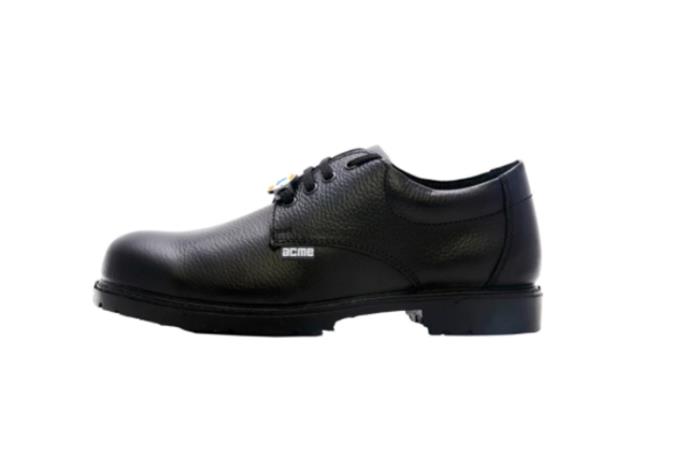
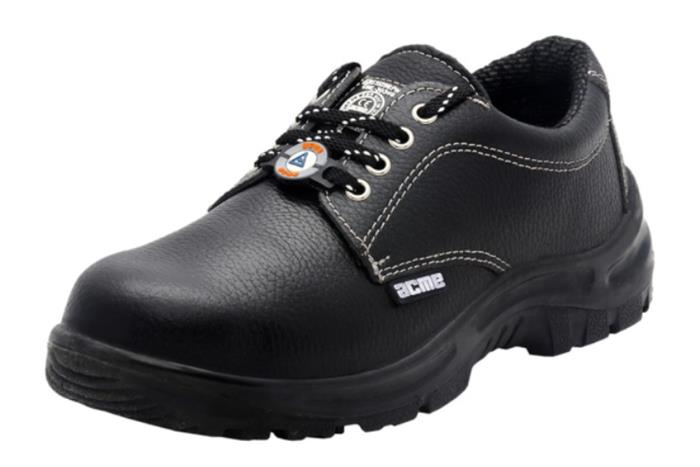
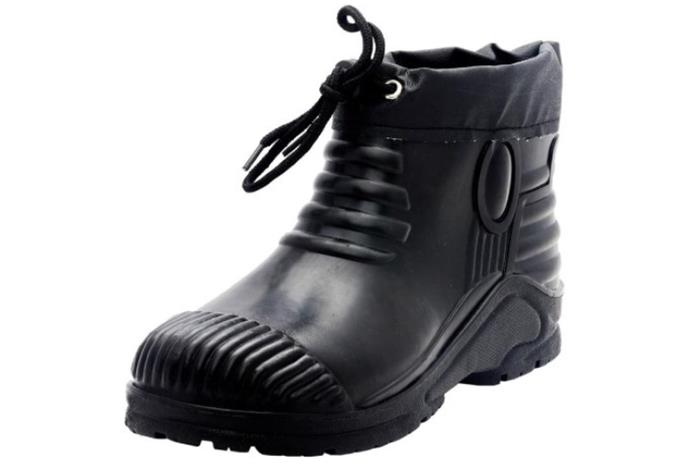
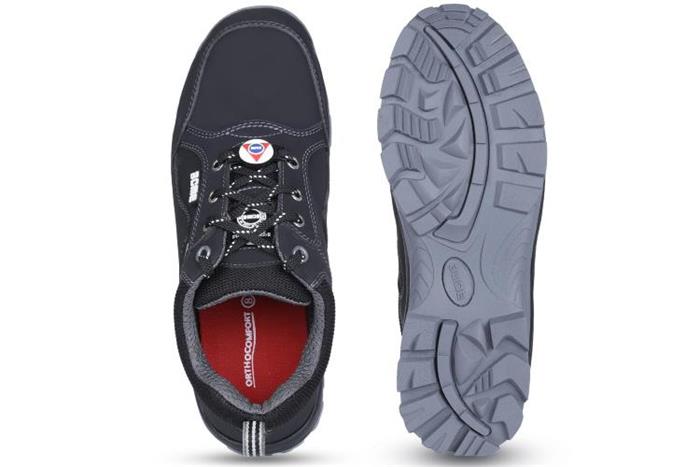
The ACME collection of exclusive shoes for 2026 presents various types of safety shoes with various materials and safety features. The following comparison is made based on the specification mentioned in the ACME catalogue.
| Model | Listed category | Toe cap | Upper and sole | Notable features |
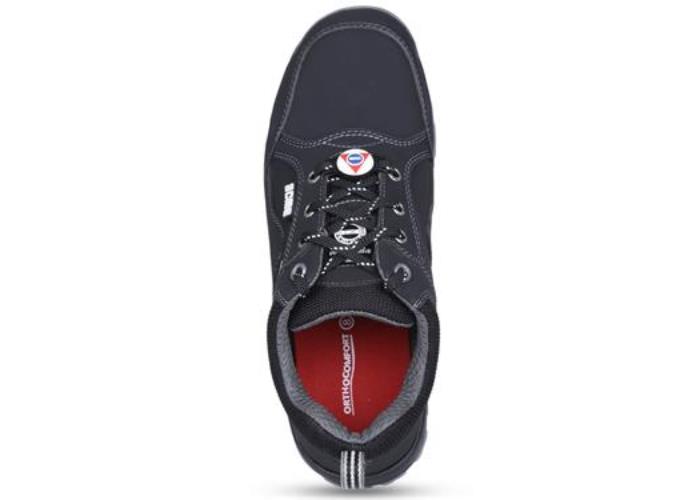
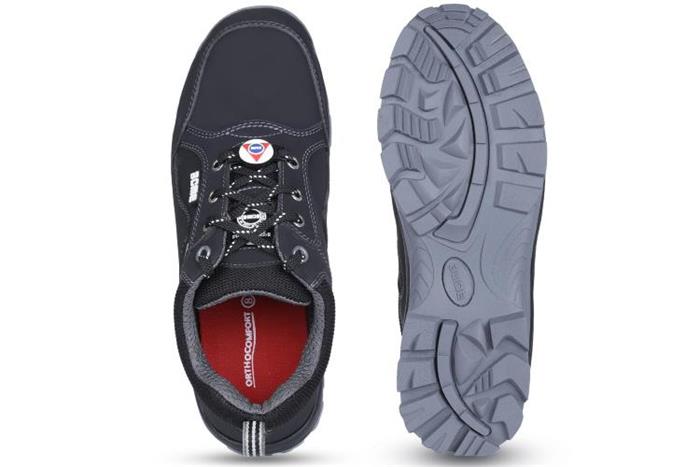
| Nodar V1 | S1 FO SR | Composite fibreglass, 200 J | Water-repellent microfiber; BASF PU sole construction | Orthocomfort footbed |
| Gasport V2 | S1 FO SR HRO | Composite, 200 J | Microfiber; triple-density BASF PU and rubber sole | Outsole heat resistance up to 300°C for 1 minute |
| Flaky V2 | S2 FO SR HRO | Composite, 200 J | Water-repellent microfiber; triple-density BASF PU and rubber sole | Reflective detailing |
| Gush Ultra V1 | S1 FO SR HRO | Composite, 200 J | E-TPU film detailing; triple-density BASF PU and rubber sole | Listed hot-contact resistance and memory-foam footbed |
| Turbo V2 | S1 FO SR HRO | Composite, 200 J | Water-repellent leather; triple-density BASF PU and rubber sole | Reflective detailing |
- For general use: Compare the S1 safety classification and protection of the Nodar V1 with the risk assessment of the workplace.
- For water penetration and absorption protection: Take the Flaky V2 from the S2 category into account.
- For heat contact protection: Take into consideration properties of Gasport V2, Flaky V2, Gush Ultra, and Turbo V2 according to the requirements of the site.
- For preference of materials and comfort: Compare the upper made of leather and microfiber, sole and footbed of the selected model.
These recommendations are only starting point for the model’s evaluation and not substitutes for the workplace safety evaluation.
5. Making a Right Choice with ACME’s Exclusive Range
ACME’s Exclusive Collection includes models with different types of protection, upper material, and sole construction. Before a model is chosen by any organization, it should:
- Ensure that the product classification is in line with the workplace risk assessment.
- Check that the relevant BIS license and model are covered.
- Make sure that special characteristics such as penetration or hot-contact resistance are confirmed, if necessary.
- Make a comparison of materials, fit and comfort of wearing, and size.
- Check costs, availability with respect to quantity, warranty conditions, and technical documentation of the model.
The correct model to choose is the model verified for its specifications which correspond to safety requirements of the workplace.
7. Buying Checklist for Organizations
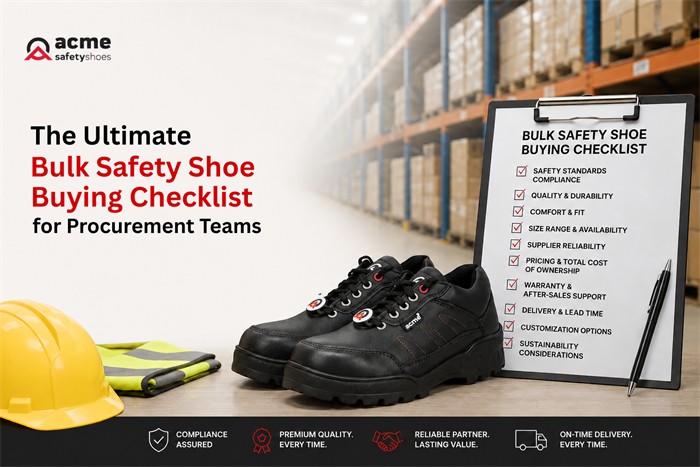
Before making an order for ACME safety shoes, it is important to check:
- Workplace hazards and required level of protection.
- The applicable Indian Standard and the information about valid Indian Standards.
- The model’s claimed classification and protective characteristics.
- The toe cap, upper part, sole and insole specifications.
- Discount and delivery costs.
Conclusion
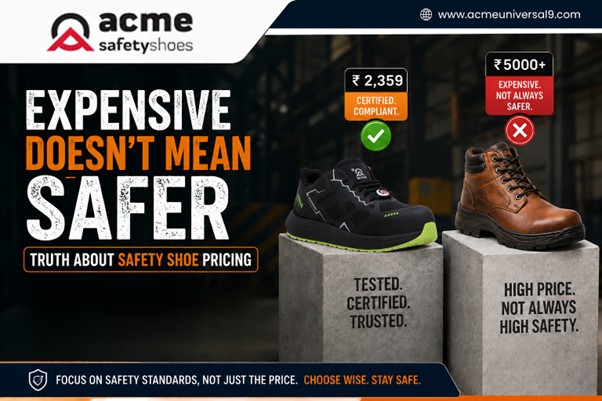
When considering buying BIS-certified safety shoes, be sure to take everything from the certification to the protection category and the price, and warranty into account. Just because a product looks good and is affordable does not mean that it is fit for the job you want to perform.
ACME has various models with different types of toe caps, soles, and classes of protection. Therefore, it is best practice for the buyer to confirm the certification awarded along with the characteristic features of its relevant model when choosing the industrial shoes.
Frequently Asked Questions
The catalogues of ACME indicate that some models carry ISI certification. The registered mark and certification for production should be validated before buying a specific model.
This is the Indian standard established for personal protective equipment related to safety shoes. Always ensure that the right standard is being used based on the type of product and requirements of the work environment.
Neither material can be declared superior or inferior. Both materials can provide impact resistance when incorporated in the compliant footwear. The weight of the shoes and other specifications of the footwear should be guiding parameters to make the choice.
Some varieties of shoes advertised in the catalogue of 2026 come with a sole warranty of 12 months. However different terms and conditions apply to every single model, therefore one should confirm the terms of warranty before making the order.
The prices differ depending on the type of manufacturer and model along with the raw material involved, and hence, it is best practice to check and compare the various options available.
