

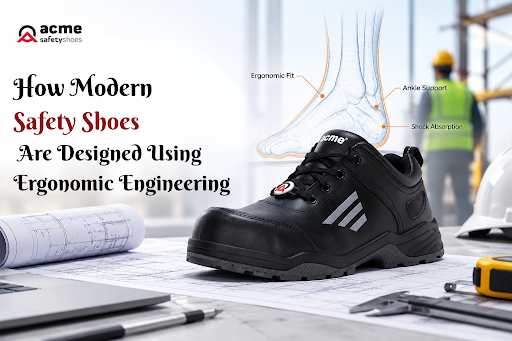
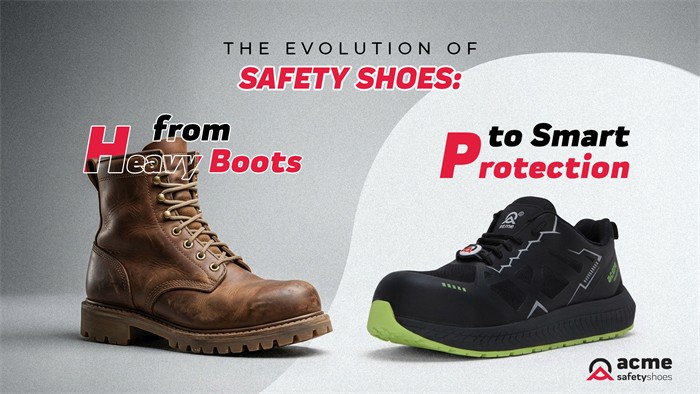



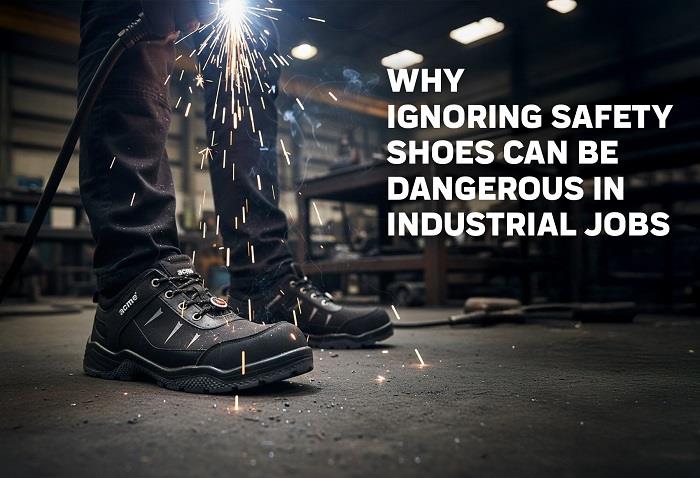
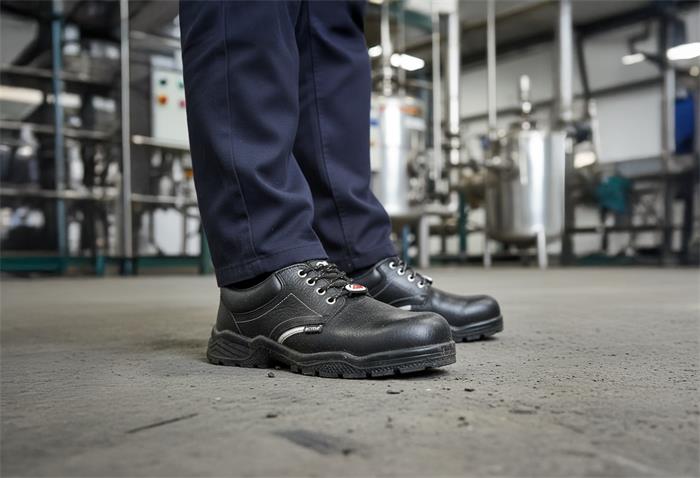
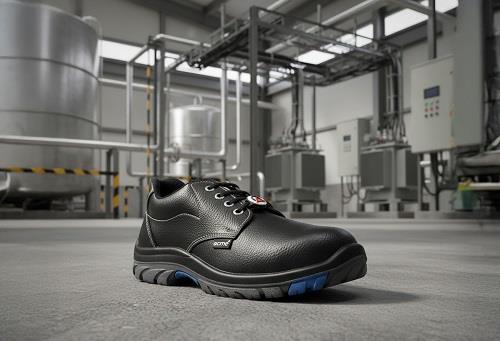
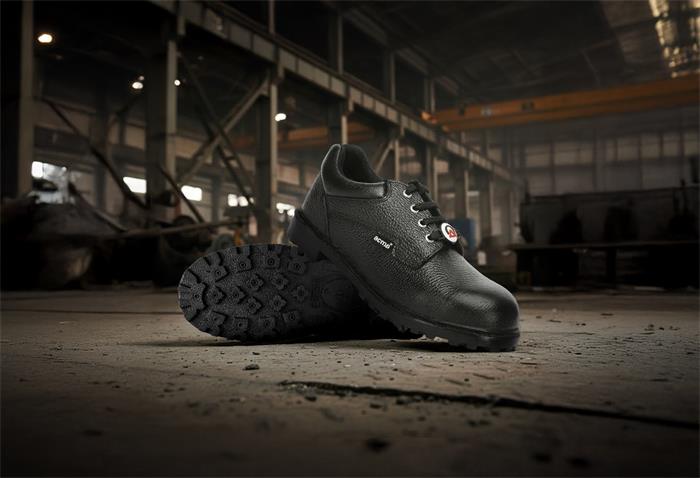

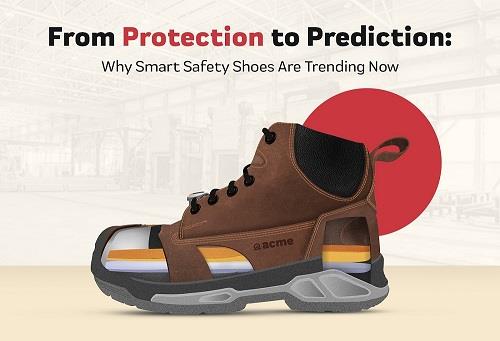

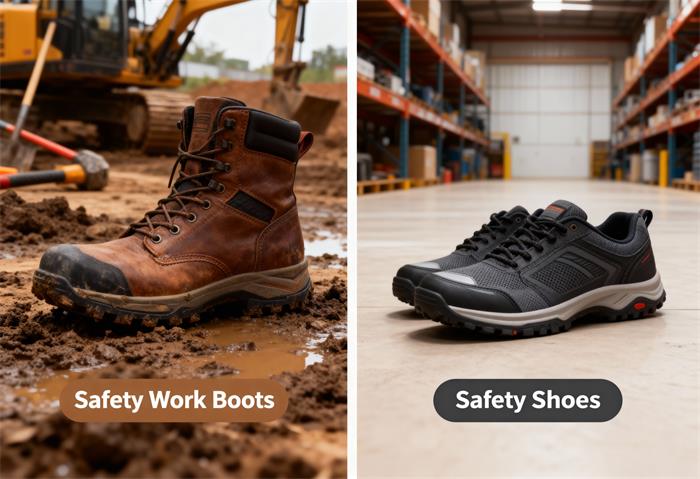
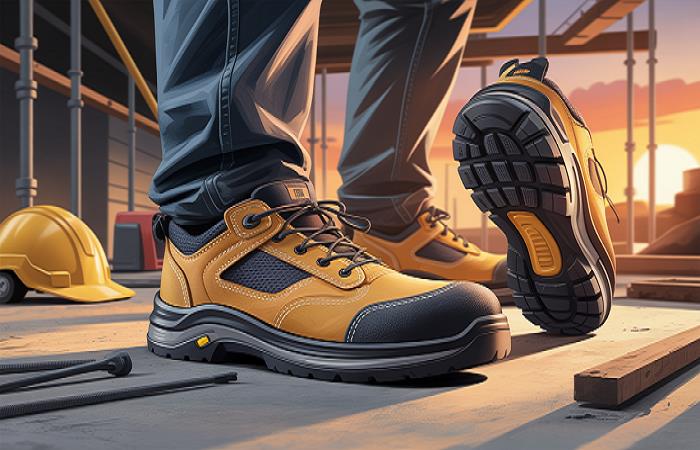


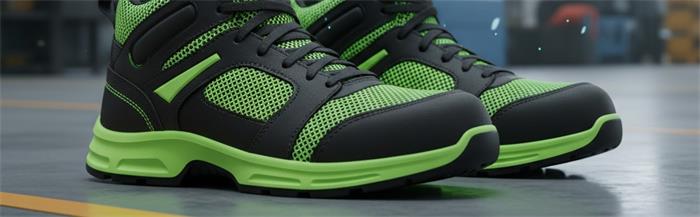



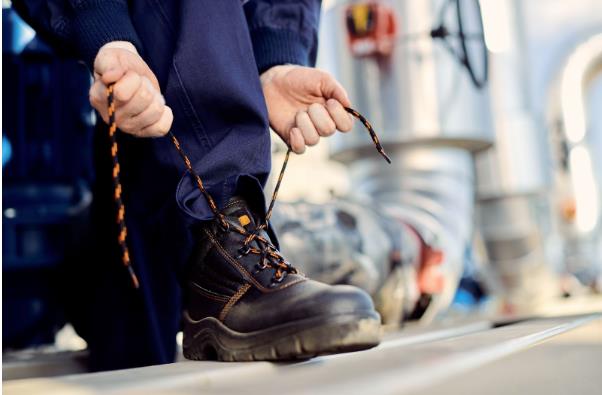
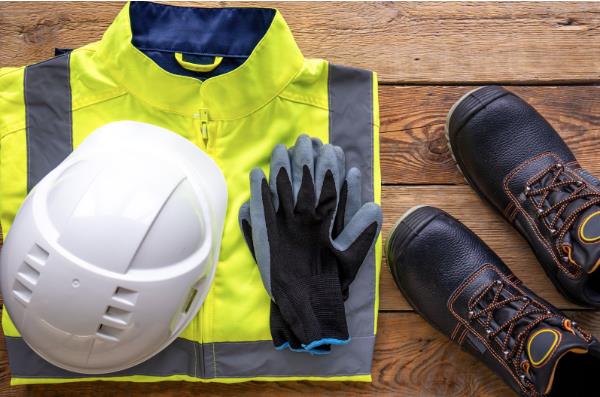
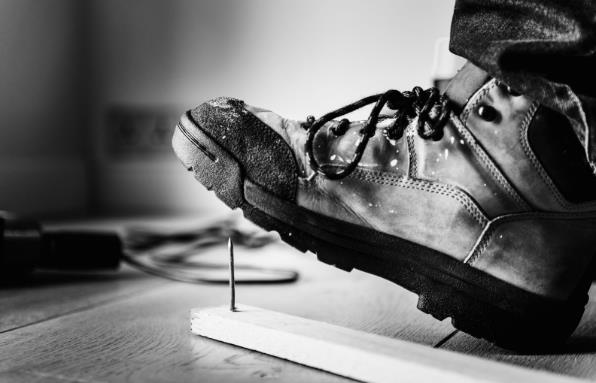


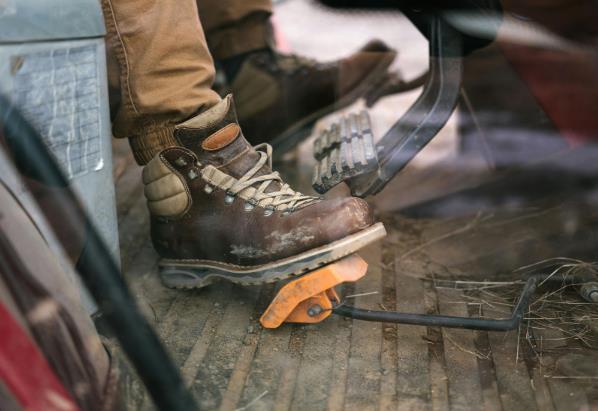
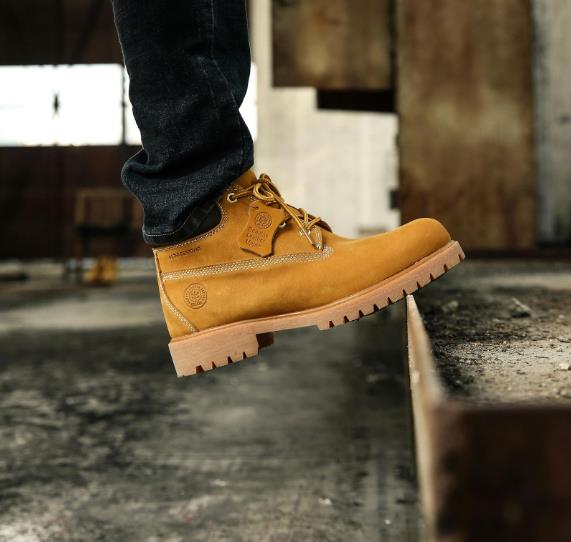

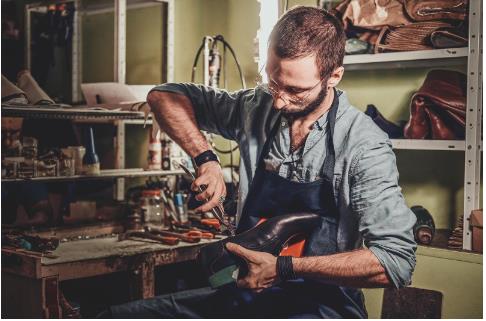


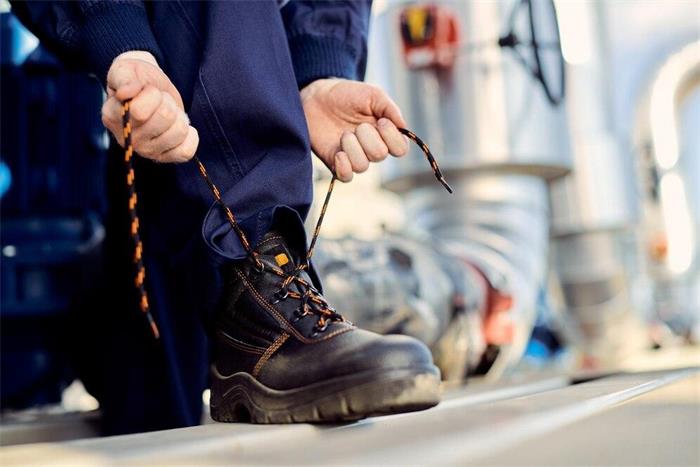
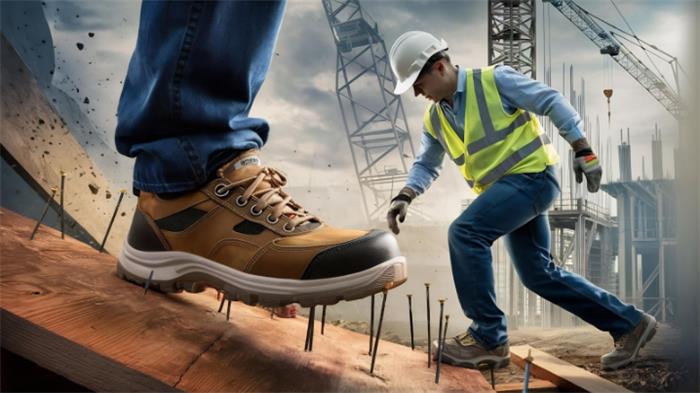

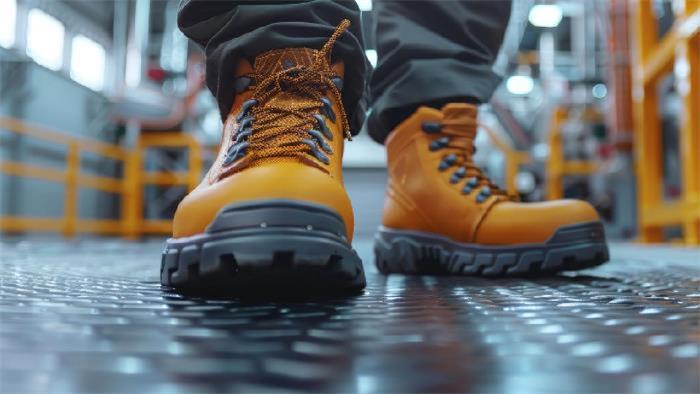
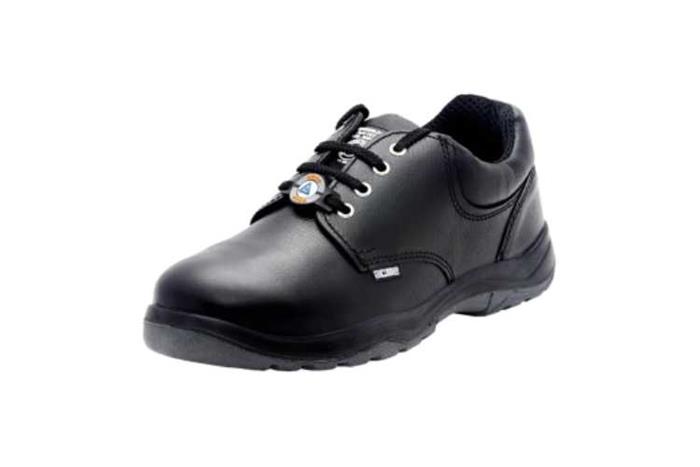

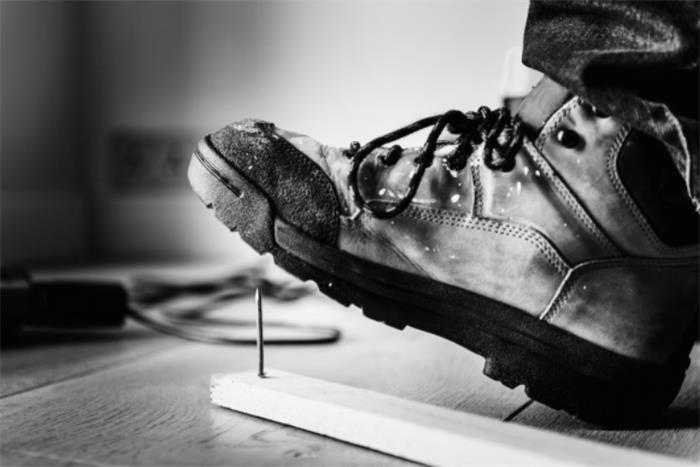
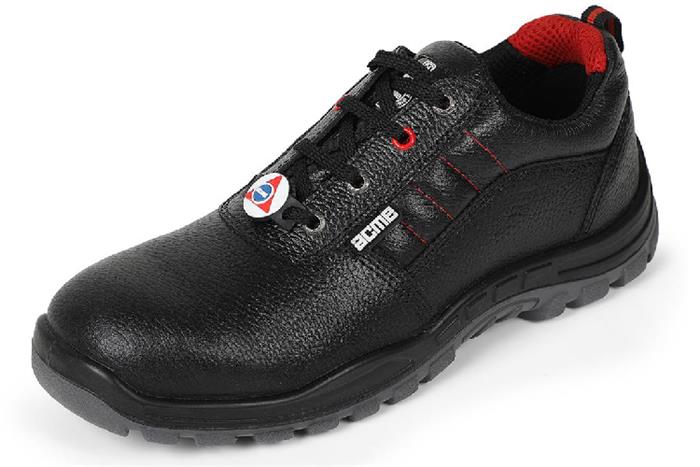
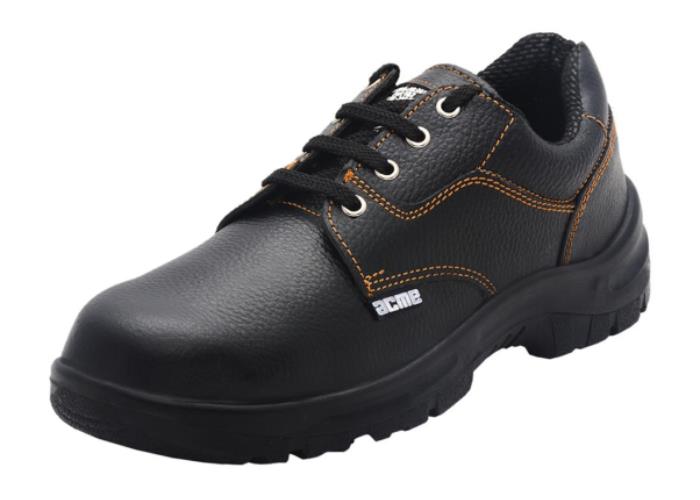
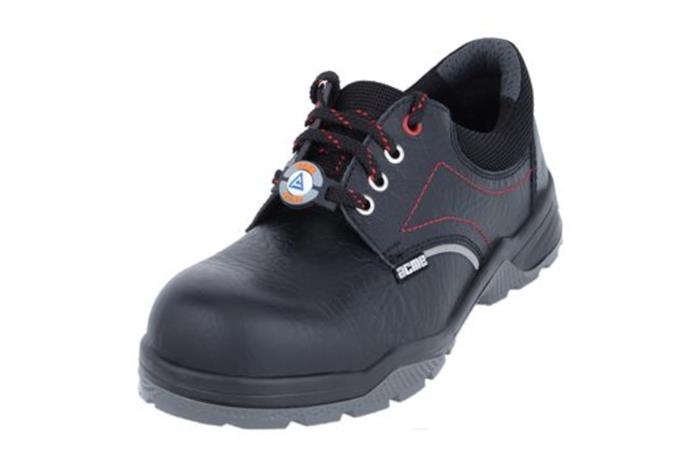
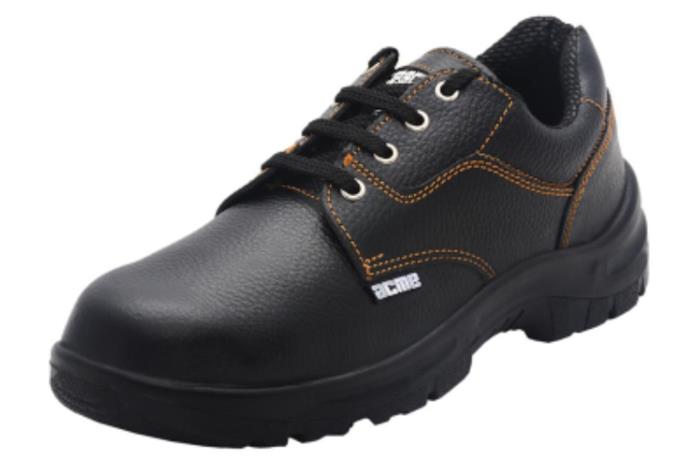
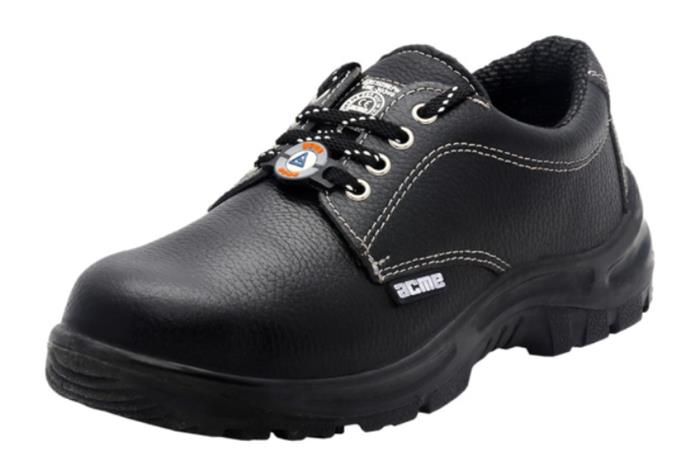
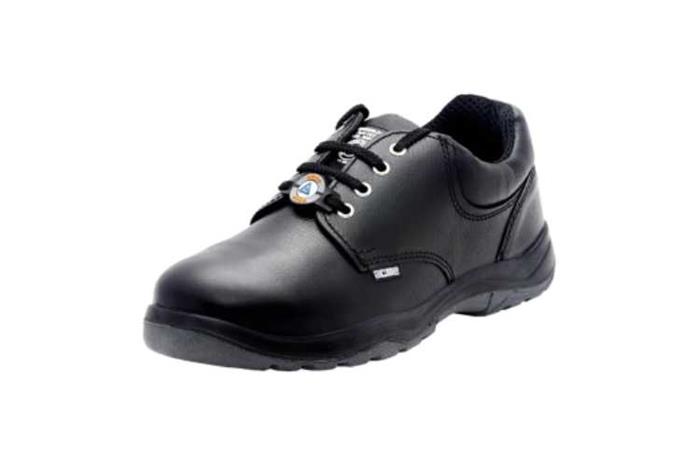
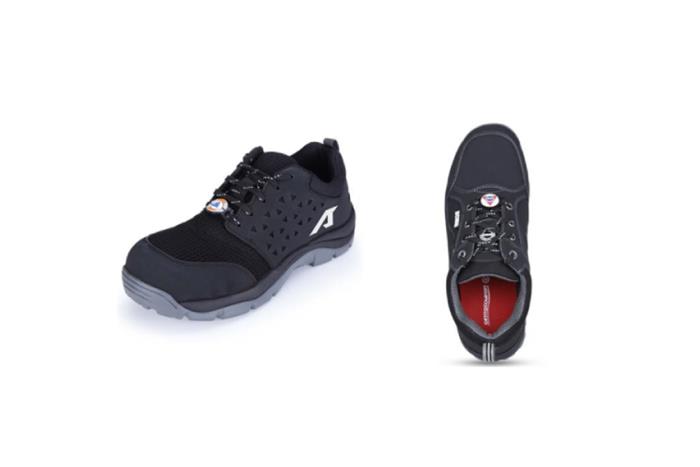
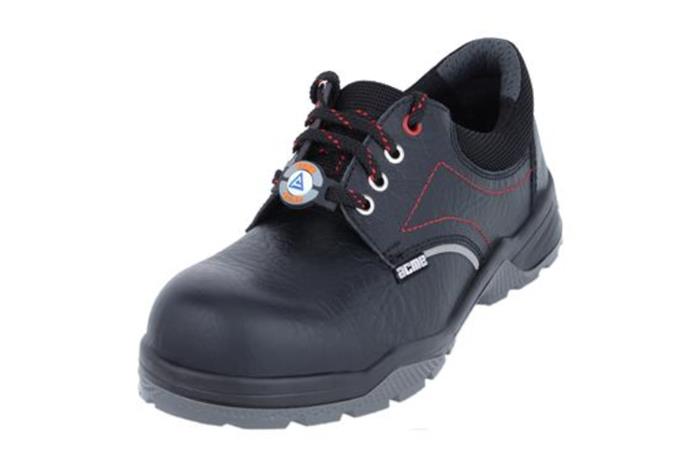
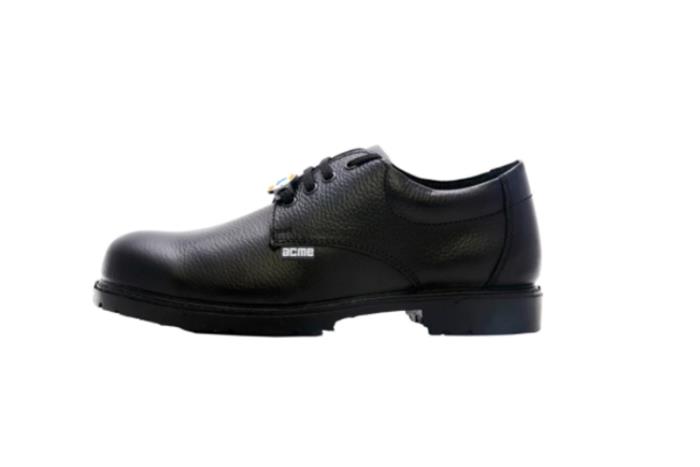
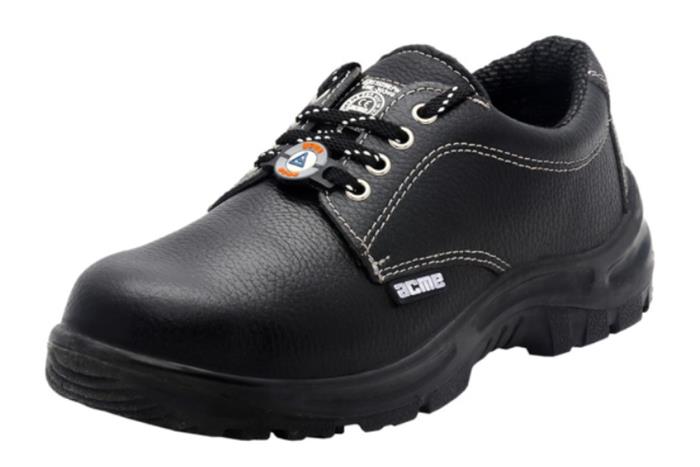
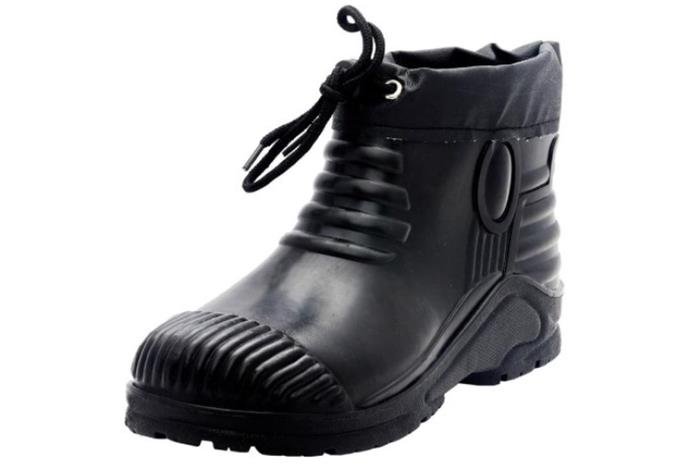
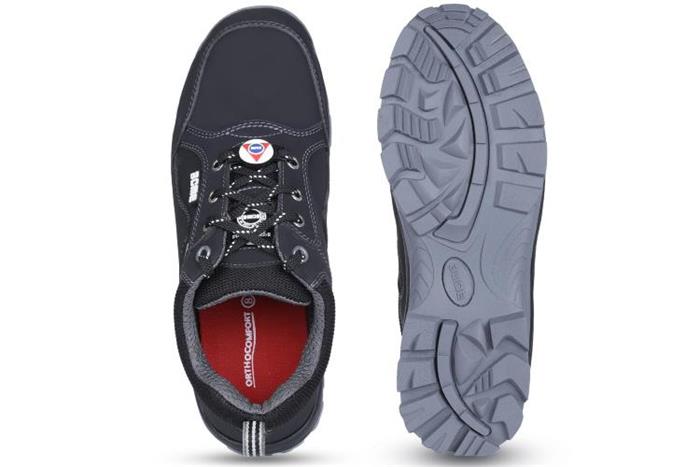
Nowadays, safety footwear is not only protective heavy-duty shoes. Biomechanics, ergonomics, material science, and safety testing help to develop comfortable safety shoes for employees working on hard industrial floors.
Why is it necessary? Because different designs of safety shoes can have an effect on workers’ gait and plantar pressure.
Ergonomic Engineering in Safety Shoes
It is the process of designing shoes that corresponds to movement, pressure distribution and other responses of foot and body.
Engineers take into account:
- foot shape and toe clearance
- heel and midfoot stabilization
- pressure distribution
- cushioning and shock absorption
- sole flexibility and traction
- shoe weight
Ergonomic behavior is one of the requirements to the safety footwear along with mechanical, slip and thermal resistance mentioned in ISO 20345:2021.
Engineering the Shape of the Foot
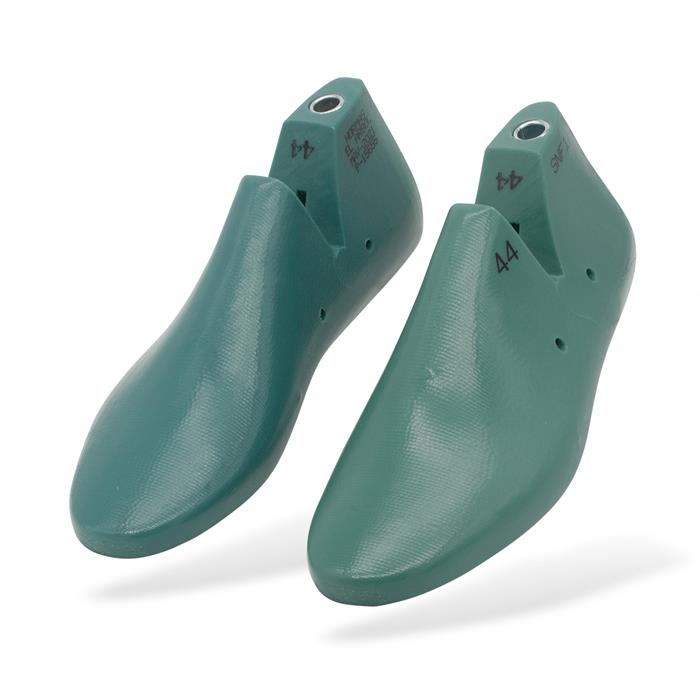
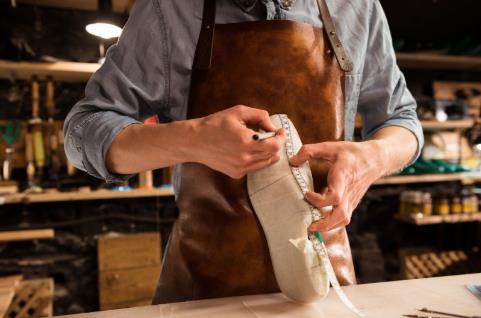
The shape of a shoe determines its internal dimensions and proportions and is determined from its last – the form of foot.
Proper ergonomic engineering allows creating adequate toe space along with stabilization of heel and midfoot especially in case of adding toe caps.
Protection and Weight Considerations
Components designed to protect against hazards might make the safety shoes heavy or stiff. In contemporary manufacture of safety shoes, engineers can use such materials as:
- Steel or composite toe caps
- Puncture-resistant inserts
- Protective midsoles
- Electrical protection components
Composite toe caps could serve as non-metallic alternatives depending on the applicability.
Importance of Cushioning and Midsole Design
Midsoles and footbeds are responsible for managing forces occurring during walking. Contemporary safety shoes can be manufactured using varying foams’ density for cushioning.
A softer sole is not necessarily better. The engineer designing the shoes needs to find the right balance between cushioning and stability, support and durability.
The Importance of Outsole
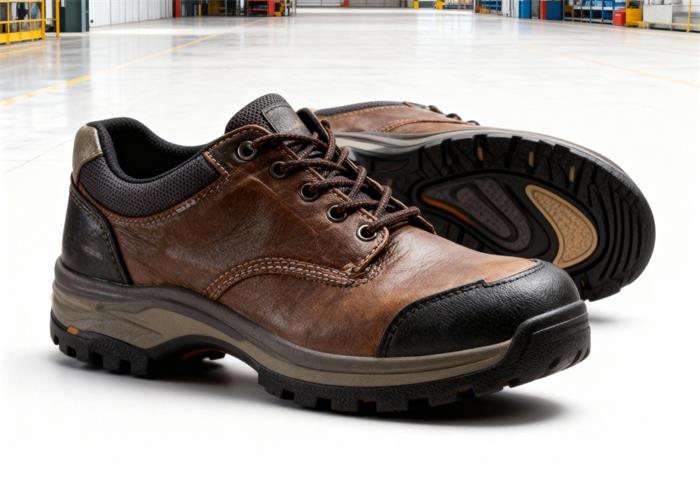
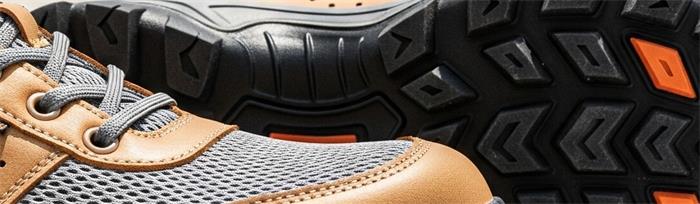
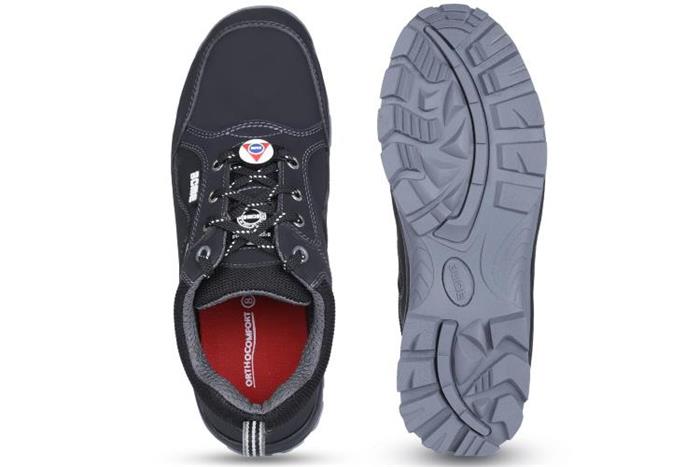
As the outsole makes direct contact with the surface, it is an integral part of manufacturing safety shoes.
The choice of rubber sole material may influence:
- Traction
- Abrasion resistance
- Durability
- Flexibility
Polyurethane and thermoplastic polyurethane are also widely used. Besides, the geometry of treads is influential in terms of grip.
Consequently, rubber sole material should be chosen with respect to the workplace and required performance.
How Slip Resistance is Engineered
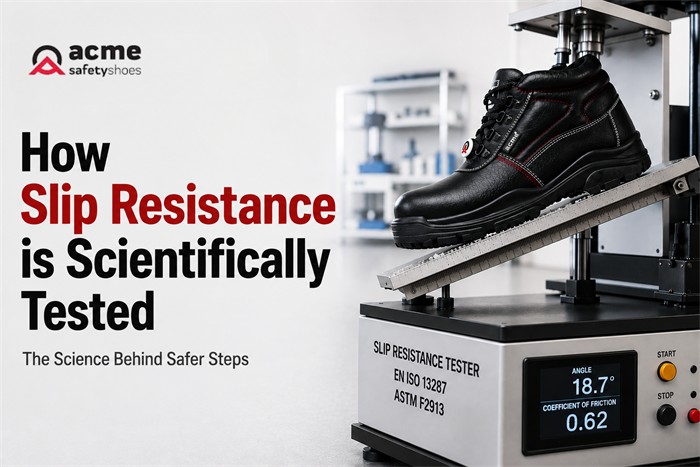
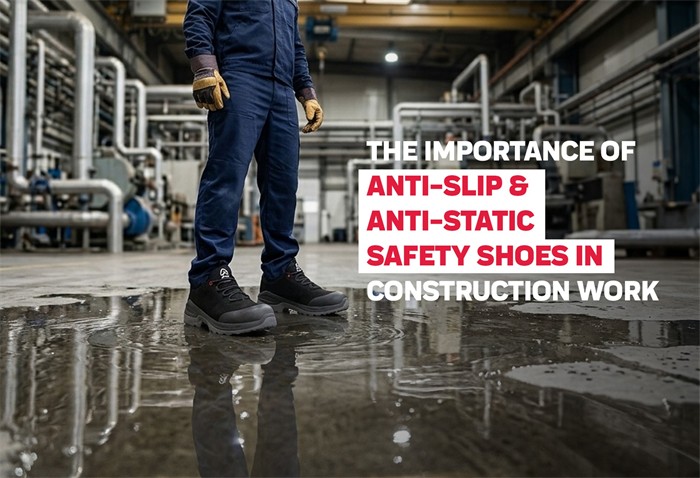
Simply having a deep tread is not enough to consider a shoe as slip resistant. The slip resistance of a shoe has to be determined based on specific test methods.
India’s IS 15298 (Part 2):2024 requires the evaluation of slip-resistance for safety footwear and also testing on ceramic tile with glycerine. Other properties that are tested include electrical, water, hot-contact resistance and fuel-oil resistance.
This means that designing safety shoes to be used in tough environments would require engineering of both the outsole compound and tread design.
Engineering for Full-Shift Work
For full shift work, some features that can be incorporated to improve wearing experience include:
- Cushioned or memory foam footbeds
- Breathable linings
- Shock absorbing midsoles
- Heel construction
- Forefoot flexibility
These features improve the wearability of manufacturing safety shoes while at the same time retaining the certified protection.
Engineering of Material Properties
Every material affects the functionality of safety shoes. The upper affects flexibility and breathability while the lining and footbed affect moisture management and cushioning.
The outsole affects traction and durability of safety shoes and this implies that manufacturing safety shoes would require coordinated material engineering.
Example of Ergonomic Design in Action
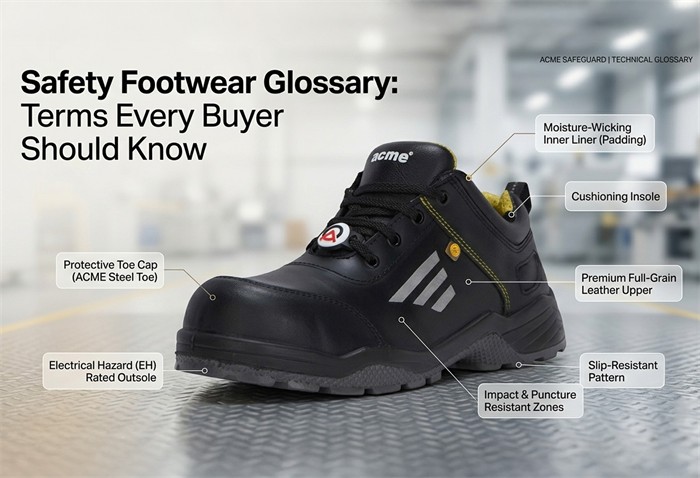
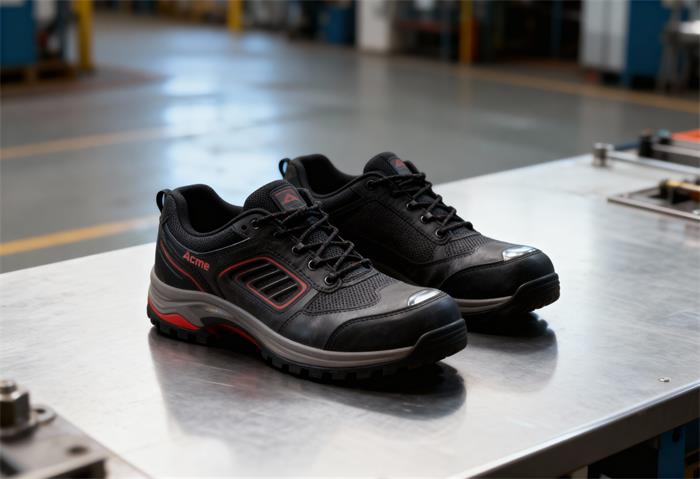
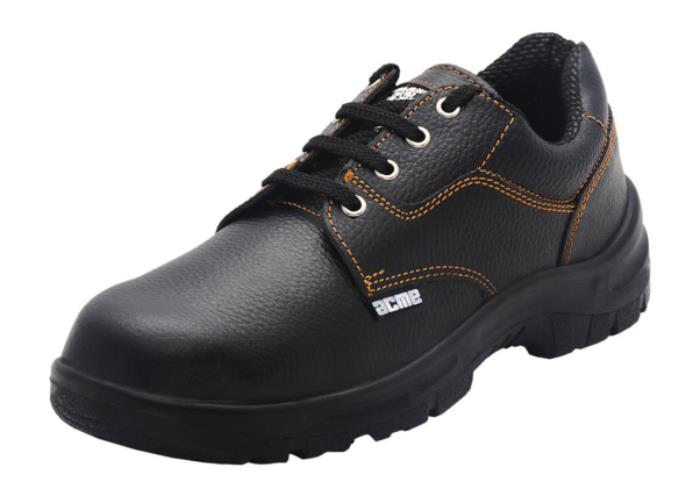
The Acme Striker V1 has a 200J composite toe cap, 3 layers of memory foam and PU footbed, breathable PERMASPUN lining, metal-free construction, SR-rated slip resistance and outsole which is oil, chemical and fuel resistant. It shows how protection and comfort can be combined during the safety shoe manufacturing process.
Standards and Modern Design in India
Current Indian Standard IS 15298 (Part 2):2024 is India’s safety footwear standard, which is a modification of ISO 20345:2021. The standard covers the following requirements:
- Perforation resistance
- Electrical properties
- Water resistance
- Metatarsal and ankle protection
- Cut resistance
- Slip resistance
- Hot-contact resistance
- Fuel-oil resistance
As per BIS, IS 15298 (Part 2):2024 is the current Indian Standard for personal protective equipment, Part 2, safety footwear.
Future Trends
Trends in safety shoes are moving towards lighter protective components, better fitting, specific cushioning and application-specific design.
The aim is to have a balance between protection, stability, comfort, durability and mobility.
Conclusion
Modern safety shoes are engineering systems. Shape of the foot, toe protection, cushioning, construction of the outsole and working conditions influence the design.
From rubber sole material to protective parts, ergonomics plays a role in designing footwear that complements the user’s body while being safety compliant. The difficulty involved in making safety shoes is providing safety features without impacting comfort and mobility.
FAQs
1. Why are safety shoes considered ergonomic?
Because of ergonomic safety shoes are designed with the natural motion of feet in mind along with pressure, stability and comfort.
2. Why is rubber sole material necessary?
Rubber sole material may offer traction, resistance to abrasions and durability. The selection needs to be based on the workplace hazard and desired performance.
3. Are composite toe caps lighter than steel?
Usually, composite toe caps are lighter than steel toe caps. However, the weight is different from model to model.
4. What does IS 15298 (Part 2):2024 include?
It lays down the requirement for making safety footwear that has impact protection, toe protection, slip resistance, electrical property, water resistance and resistance to heat contact and fuel oil.
