

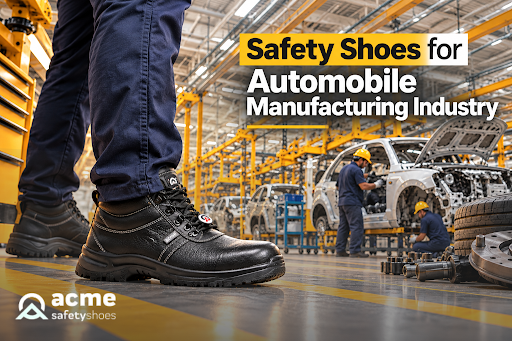



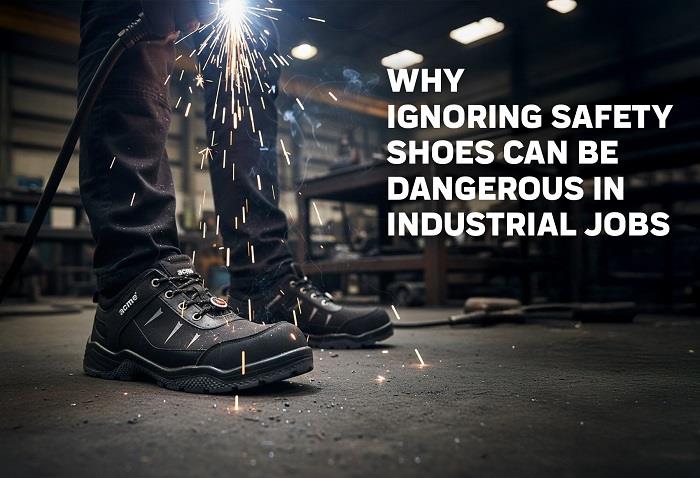
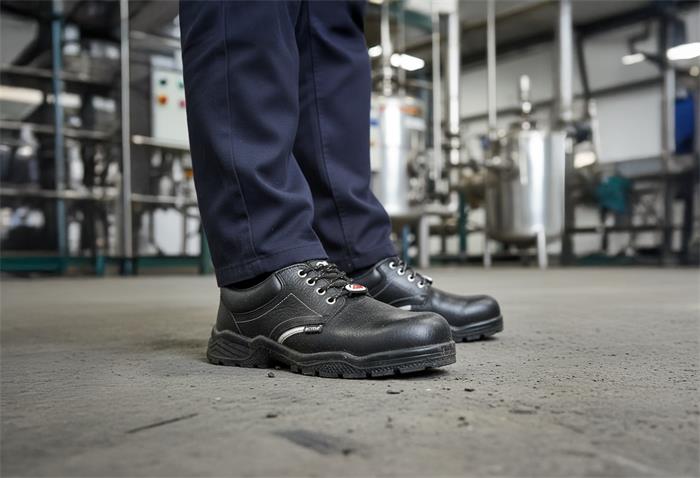
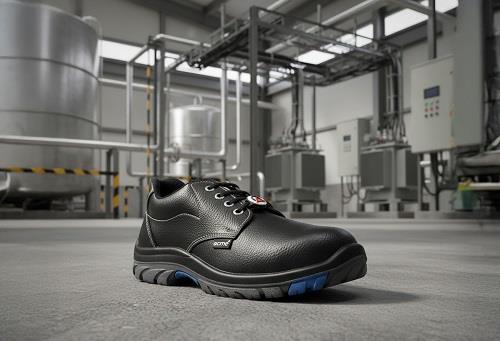
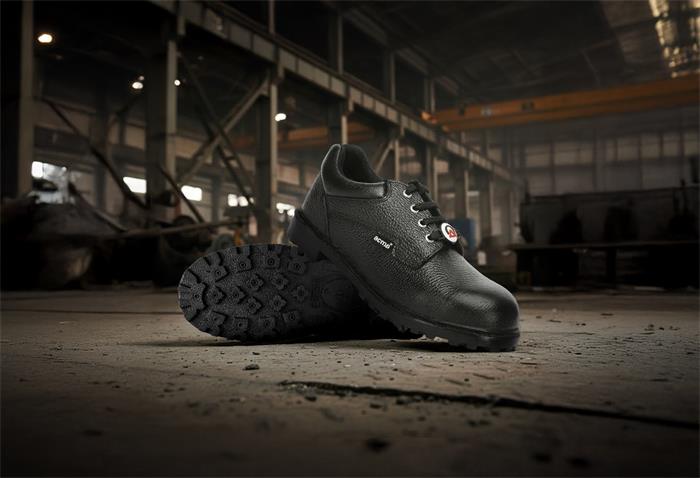









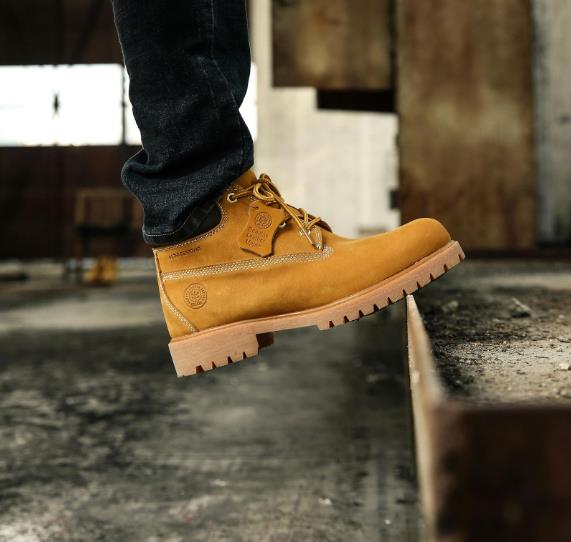

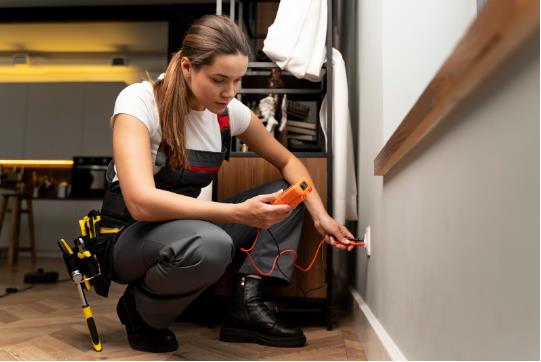
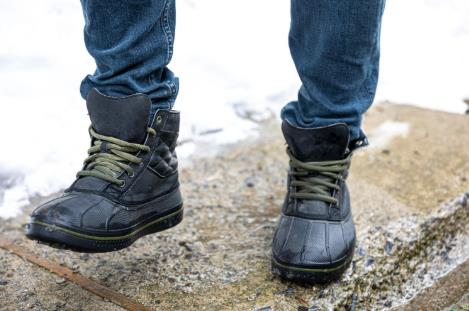





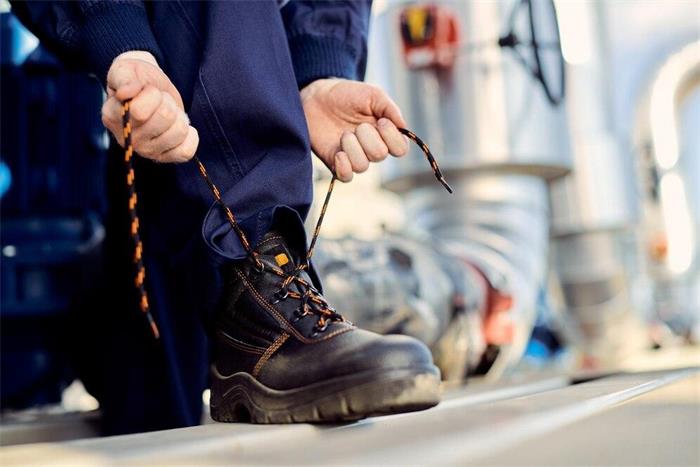


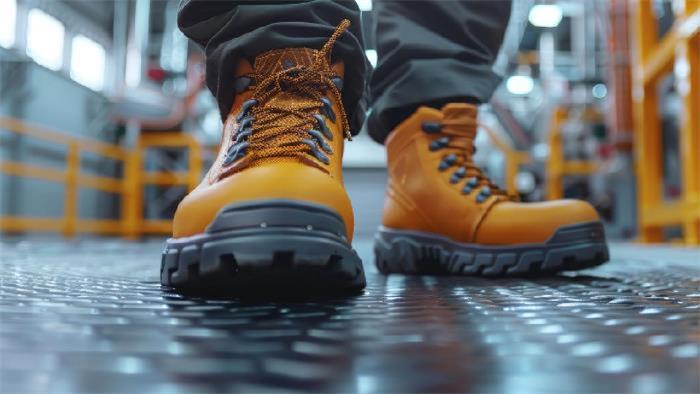
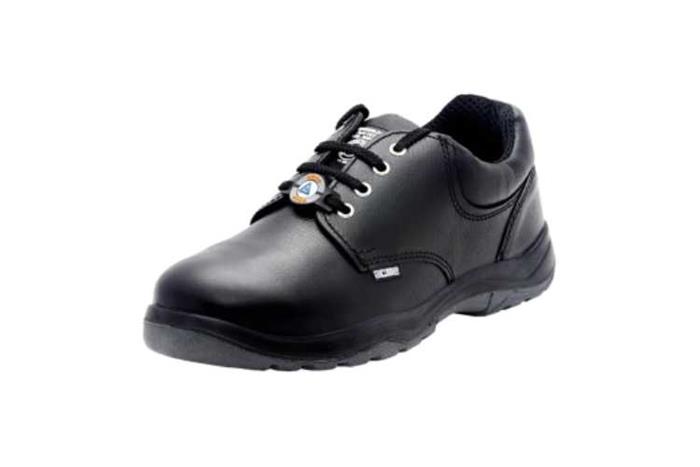


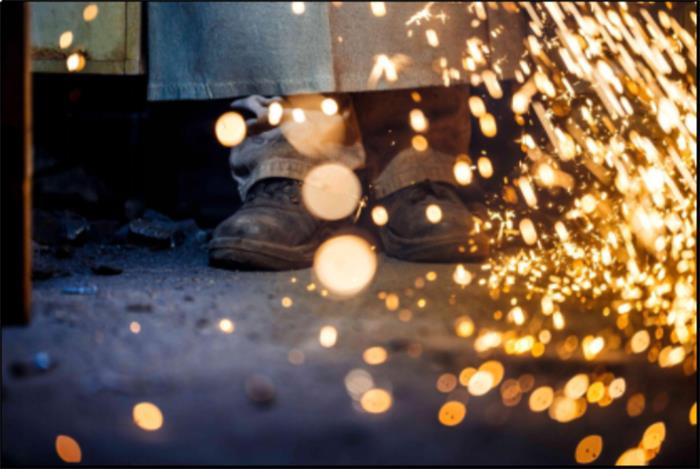
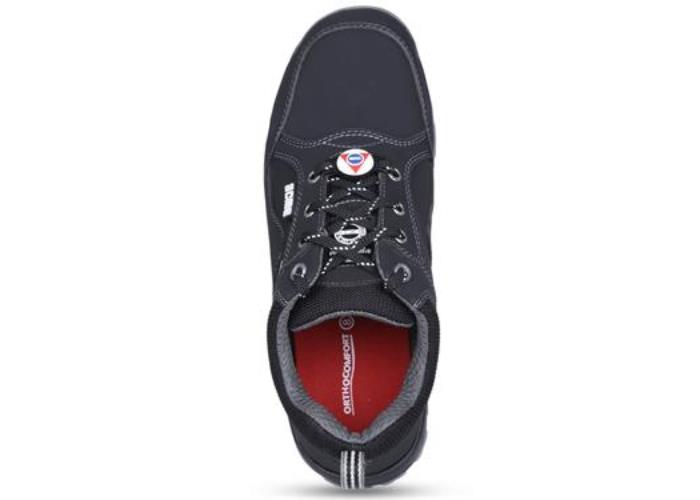
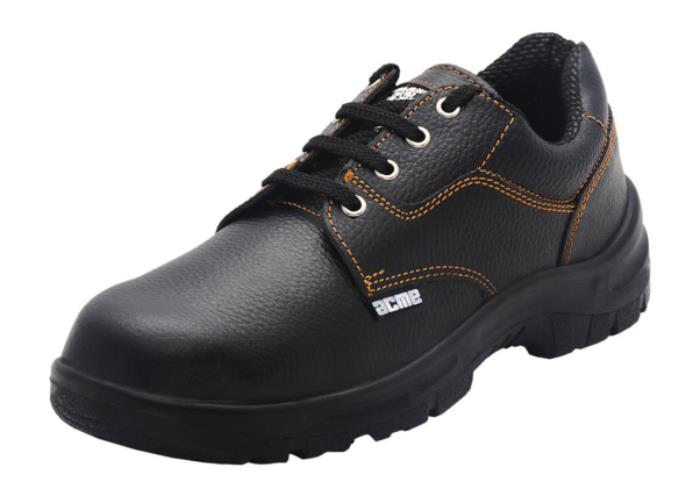
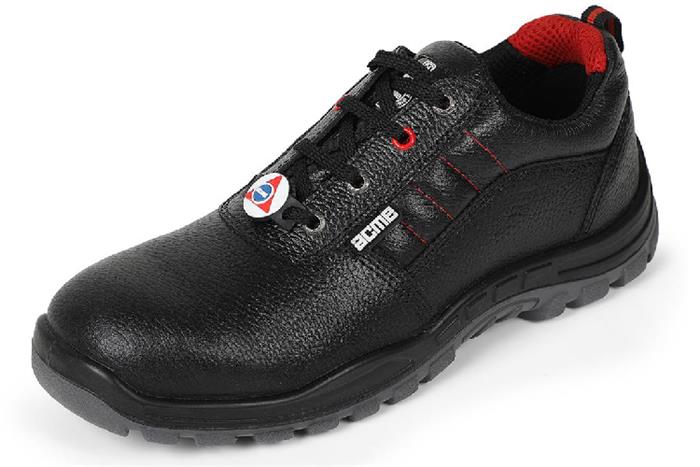
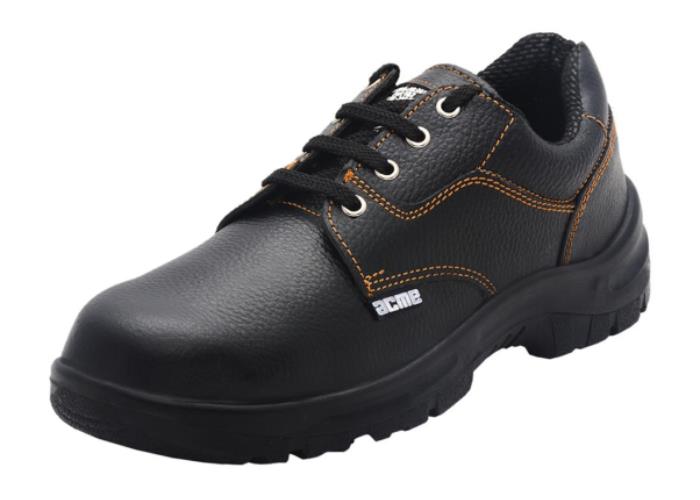
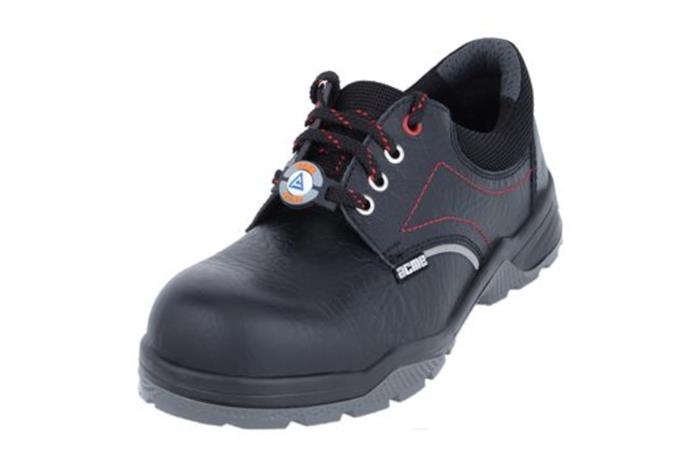
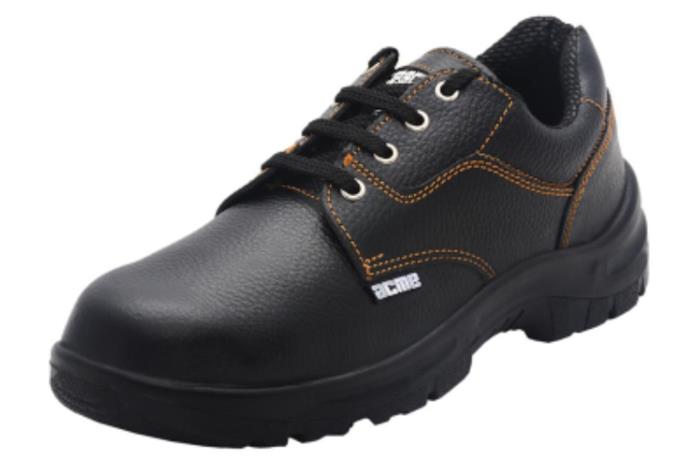
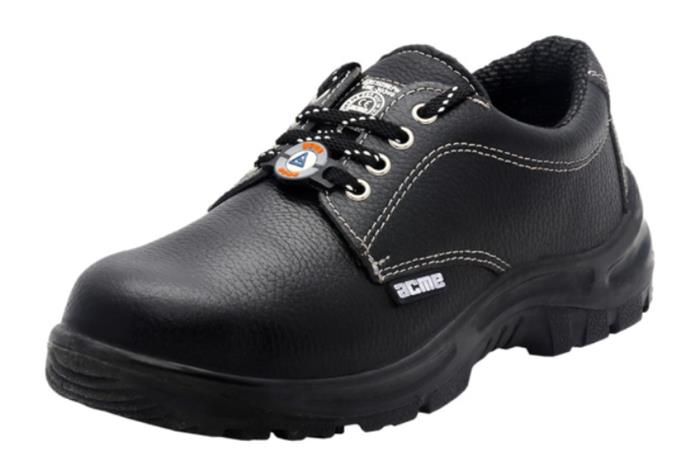
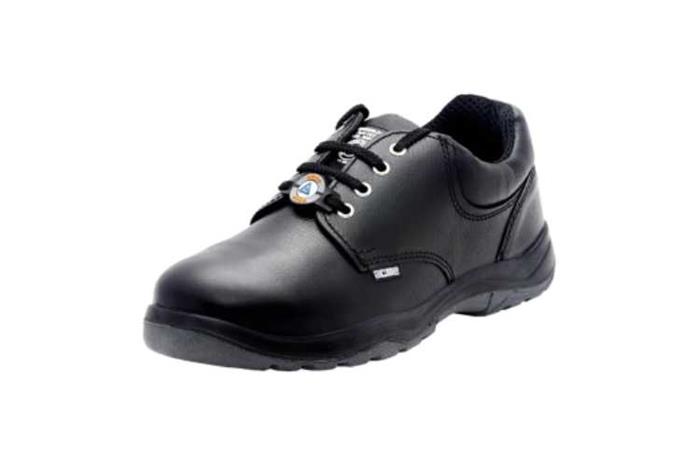
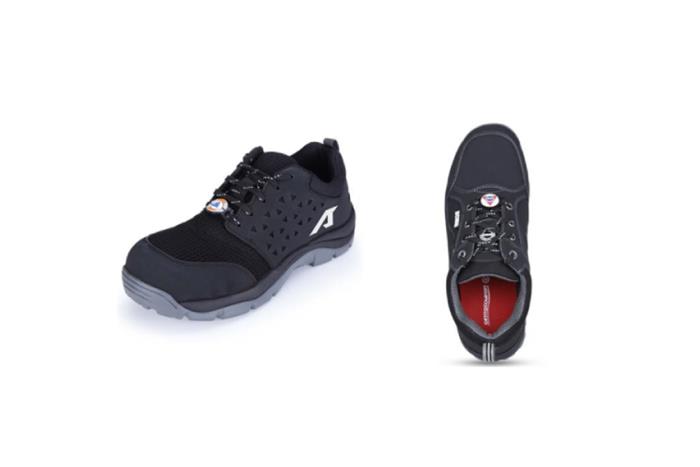
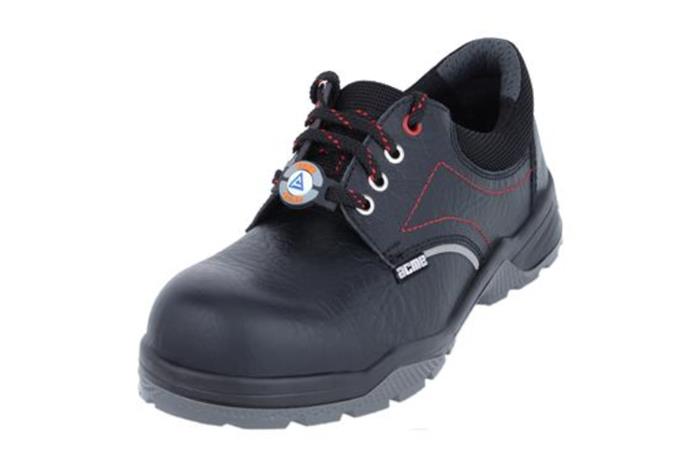
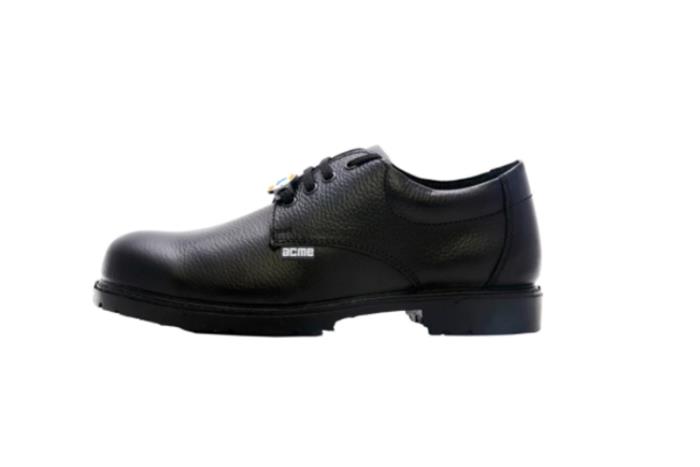
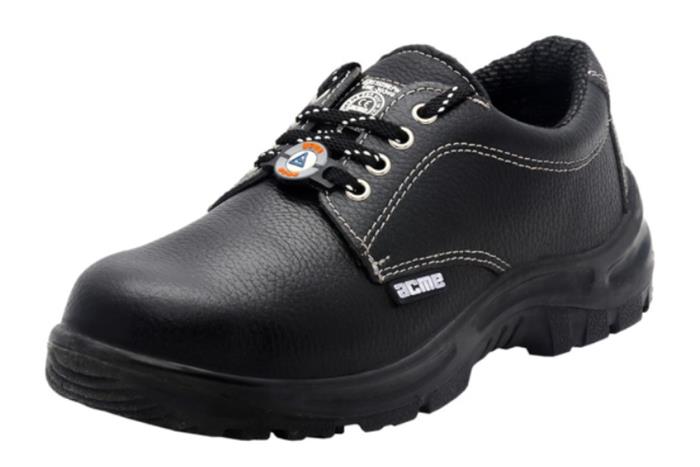
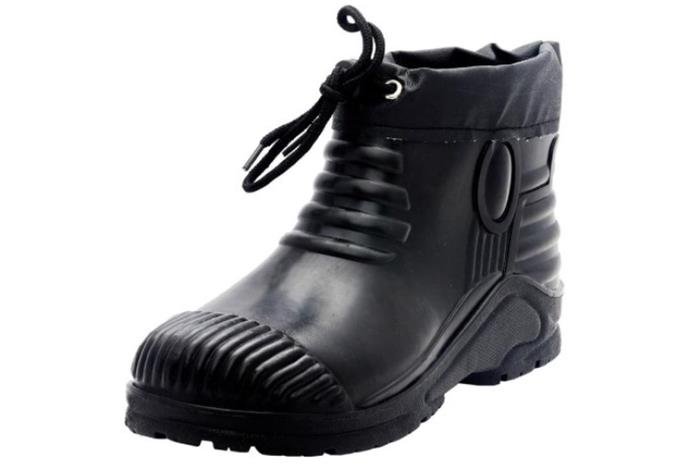

Automobile manufacturing is a harsh industrial setting where employees could be exposed to moving equipment, heavy parts, sharp metals, oils, chemicals, hot surfaces, and slippery floors. In workshops, assembly lines, welding areas, and materials handling zones, appropriate safety shoes should form a part of personal protective equipment.
When choosing safety shoes for an automobile manufacturing plant, the decision cannot be based solely on aesthetics or cost of footwear. The safety footwear should correspond to workplace hazards and offer comfort in extended working hours.
Why Are Safety Footwear Needed for Automobile Manufacturing
Automotive manufacturing facilities unite multiple industrial operations in one production place. Workers could be standing and moving around the facility for hours performing different tasks.
The common workplace hazards include:
- Fall of heavy automobile parts on feet
- Oil and chemical exposure
- Slippery floors of the factory
- Hot surfaces
- Sharp metal parts
- Standing and moving in extended time periods
- Working in low-lighted areas
Appropriate safety shoes should be resistant to the relevant workplace hazards without limiting movements of workers.
Important Features in Automobile Safety Shoes
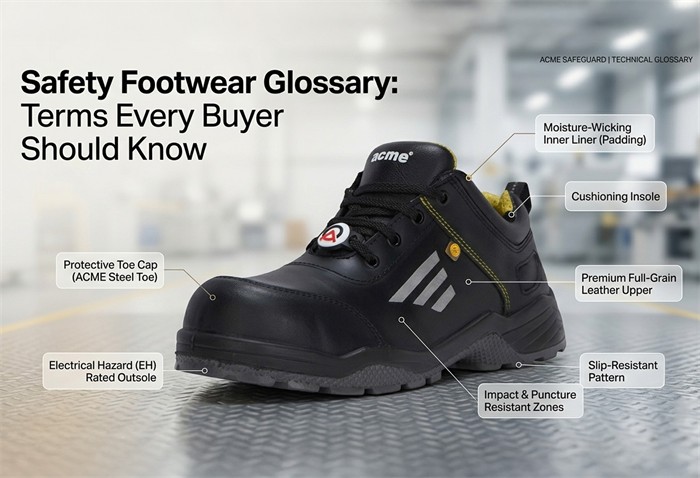
Protective Toe Cap
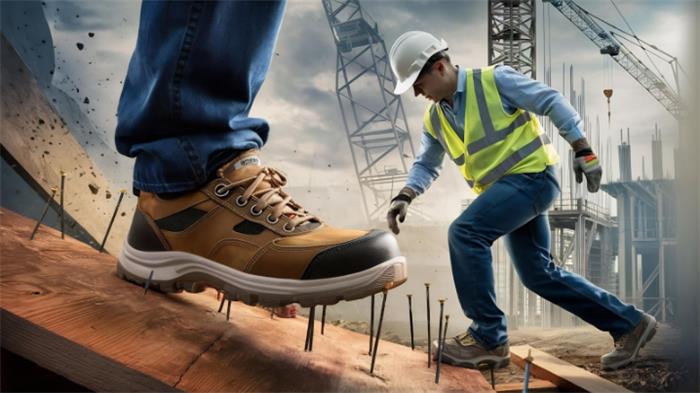
Components, tools and equipment used in the manufacturing industry may cause impact and compression injuries.
Therefore, choosing manufacturing safety shoes with a protective toe cap becomes important.
Footwear can provide either steel or composite toe protection depending on the job.
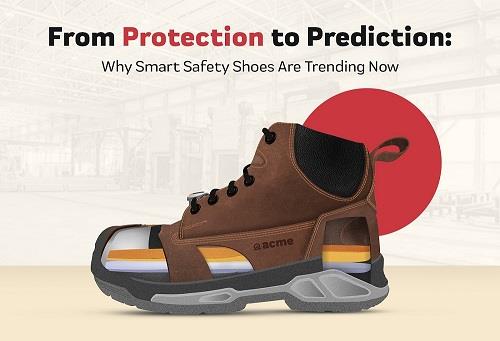
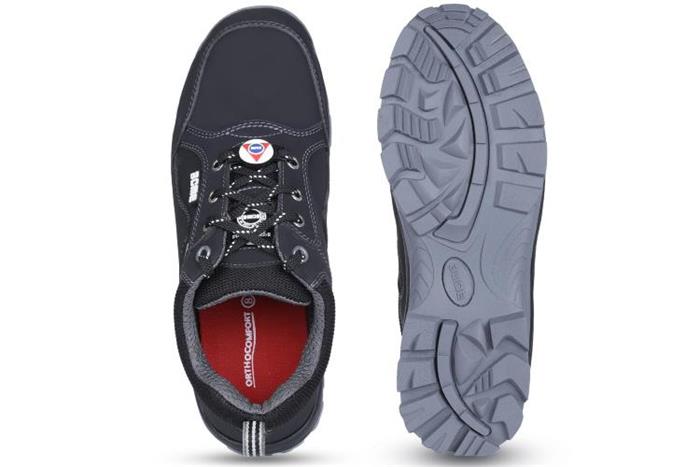
The Acme Nitro V2 utilizes a composite toe cap providing 200 Joules impact resistance. The product specifications claim that the composite toe is about 45% lighter than the steel toe of the same level of protection.
This can provide the necessary protection without extra footwear weight.
Slip Resistance for Industrial Floors
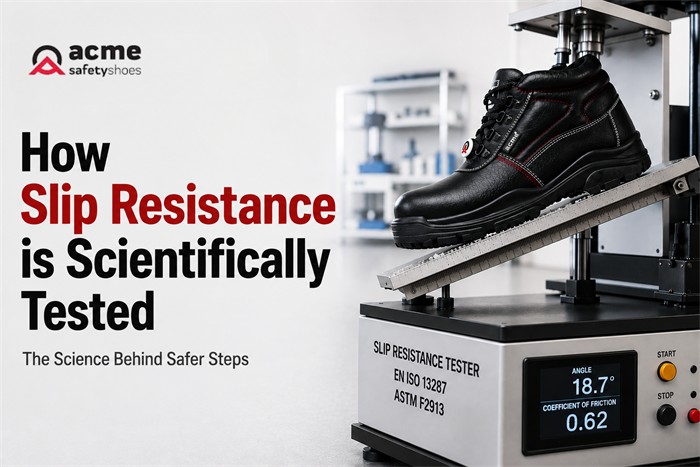
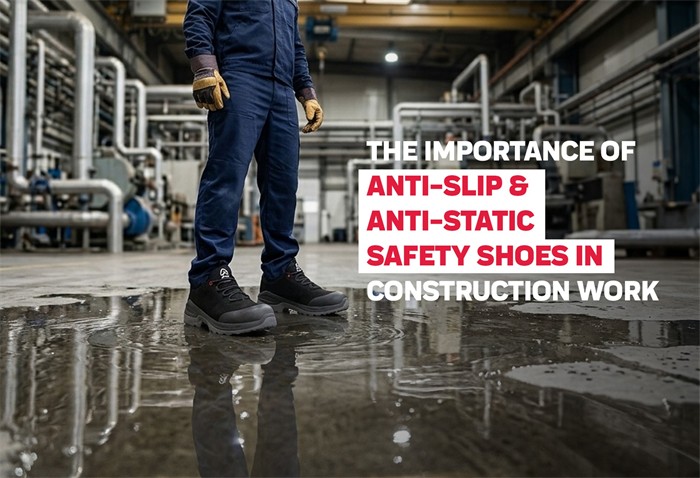
Oil, liquids and cleaning agents can make factory floors slippery. It is important for footwear to have appropriate slip resistance to ensure workers’ stability while walking.
The Acme Nitro V2 is indicated to be SR rated regarding slip resistance. Thus, it is important to take into account the footwear slip-resistance rating when choosing manufacturing safety shoes for automotive facilities.
In India, slip resistance is among the requirements for safety footwear according to IS 15298 (Part 2):2024.
Oil, Chemical and Fuel Resistance
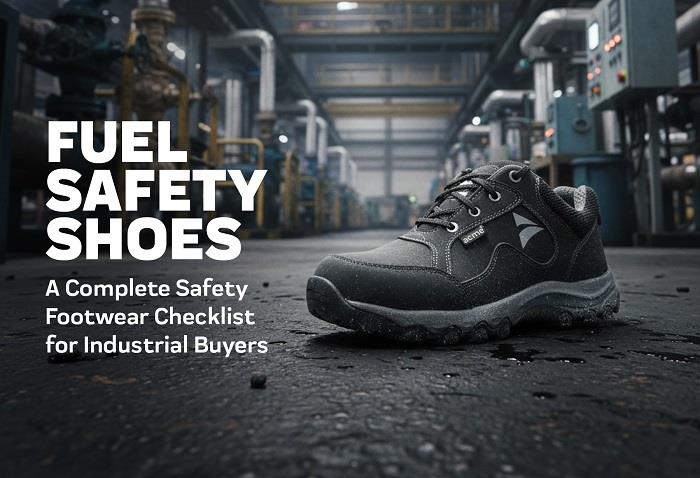
The manufacture of automobiles may entail the presence of lubricants, oils, fuels, and other industrial chemicals in the workplace.
The Nitro V2 safety shoes are characterized by resistance to oil, chemicals and fuel. Hence, this characteristic should be taken into account when selecting footwear for automotive manufacturing.
However, footwear resistance to specific substance exposure should be in accordance with the substances present in the facility and working conditions.
Water-Repellent Upper
The working floor in the factory can also be wet or subjected to cleaning operations.
The Synergy ProFlex upper used for the manufacture of Nitro V2 shoes is water-repellent. However, water-repellent property cannot be equated to water-resistant footwear.
Comfort for Long Shifts
Safety shoes are not enough if a worker is spending long hours at the workplace.
Comfort features of the Acme Nitro V2 shoes include:
- Three-layer ErgoCare footbed
- Memory foam
- PU cushioning
- PERMASPUN lining
- Synergy ProFlex material
- Composite toe cap
Thus, the product is expected to combine safety features with comfort during prolonged use.
Heat Resistance for Automotive Workplace
Some manufacturing areas of the automotive industry are characterized by hot surfaces and equipment. In the product specifications of the Nitro V2, the highest sole temperature resistance is set at 300°C with a one-minute maximum exposure period.
This does not mean that the shoe is suitable for all high-temperature working conditions. Employers need to consider the actual risk in comparison with the test results.
Visibility in Low-Light Areas
Some areas of the automotive plant can have uneven lighting conditions, including in storage, maintenance, and movement areas.
The Nitro V2 includes Ultrans-Tech reflective detailing; according to the product sheet, it increases visibility in low-light areas.
The reflective detailing feature is useful in areas with moving equipment or vehicles, yet it cannot substitute adequate workplace lighting and other measures of ensuring visibility.
Metal-Free Construction
Another feature of the Nitro V2 is its metal-free construction indicated in the product specification. This type of construction is combined with a composite toe cap instead of a steel toe.
The construction of the footwear can be significant in some types of workplaces when non-metallic construction is required for operational purposes.
Choosing the Right Manufacturing Safety Shoes
It would be wrong to assume that there is one universal shoe suitable for all automotive roles. Before purchasing the necessary footwear, procurement teams need to assess work hazards and match safety shoes‘ specification to the particular risks.
When selecting manufacturing safety shoes, consider the following:
- Requirements for impact and compression protection
- Slip hazards
- Oil and chemicals exposure
- Heat exposure
- Electrical requirements
- Duration of working shifts and comfort level
- Indoor/outdoor work environment
- Required certification
The Indian IS 15298 (Part 2):2024 is currently valid Indian Standard for safety footwear and includes requirements for various performance characteristics, among which are electrical resistance, waterproofing, slip resistance, hot contact resistance and fuel oil resistance.
Conclusion
Safety footwear for automobile manufacturing requires the ability to deal with different workplace hazards and at the same time comfort in order to be worn during long working hours. Proper safety shoes must be chosen depending on the real workplace hazards.
The Acme Nitro V2 incorporates a composite toe cap that withstands 200J, SR-level of slip resistance, waterproof upper, an outsole resistant to oils, chemicals and fuels, an anti-static feature, heat resistant sole, and reflective materials.
Procurement of manufacturing safety shoes by companies could benefit from taking into consideration these specifications along with other standards and workplace requirements.
FAQs
1. What features should manufacturing safety shoes have?
Depending on the position, some of the necessary features could be protective toe caps, slip resistance, adequate outsole resistance, durability and comfortable construction. In addition, more protection might be needed due to electrical, chemical or heat hazards.
2. Is it good to have a composite toe in automotive manufacturing?
A composite toe can give the certification of impact protection and is also lighter compared to a steel toe. The Acme Nitro V2 shoe has a composite toe cap that is certified to withstand 200 Joules of impact.
3. Why is slip resistance important in automotive manufacturing plants?
The presence of oils and fluids could pose traction issues in the automotive industry workplace. Slip resistance could help, but should be supplemented by appropriate housekeeping and workplace safety measures.
4. Why is the rubber material of the sole important?
Rubber material of the sole can play an important role in traction, wear resistance, and longevity. But the performance of the sole depends on its entire composition and tread pattern.
5. Which is the Indian standard that governs the design and safety features of the shoe?
IS 15298 (Part 2):2024 is the Indian Standard for safety shoes. The standard prescribes various criteria for different properties of safety footwear.
