

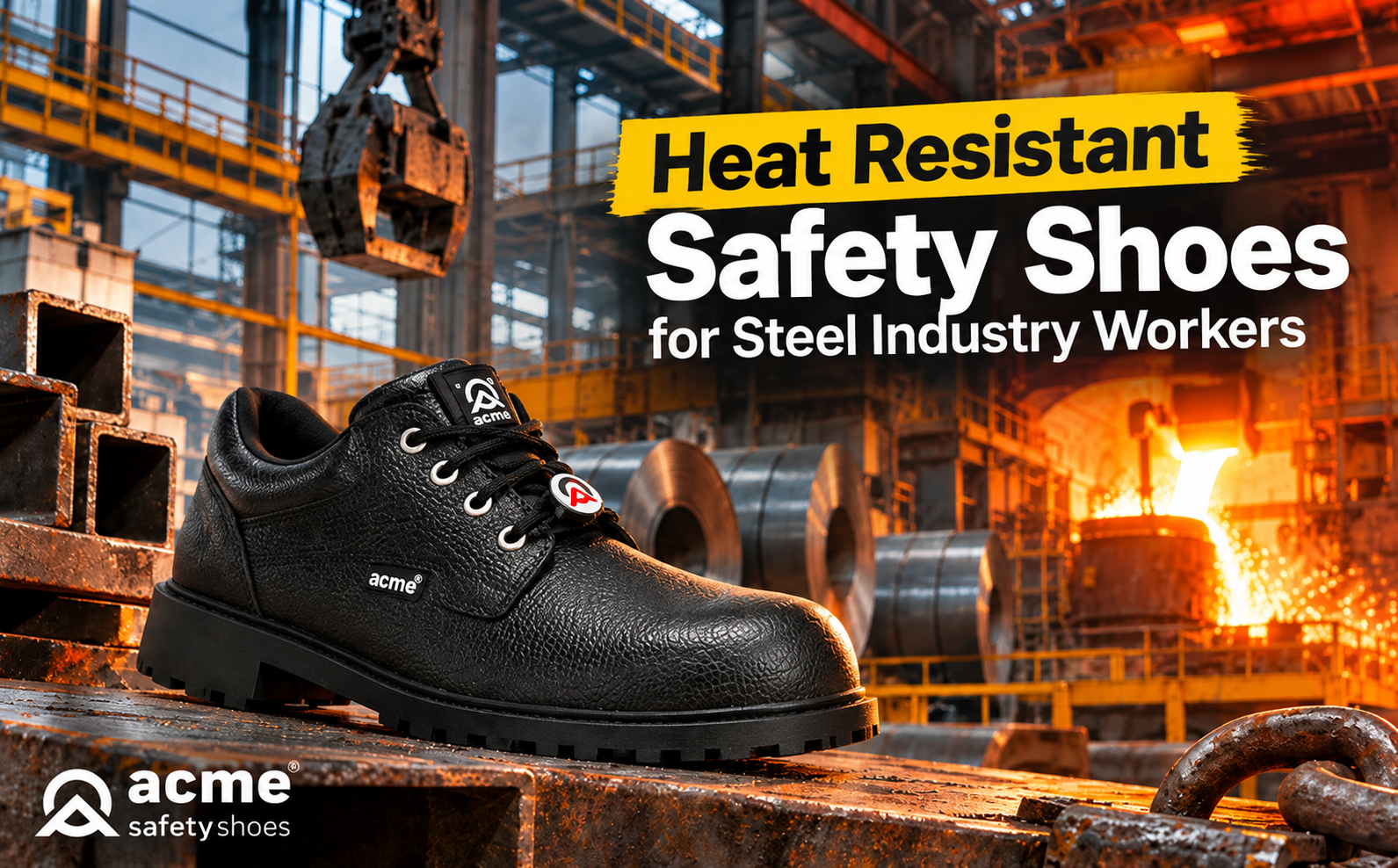



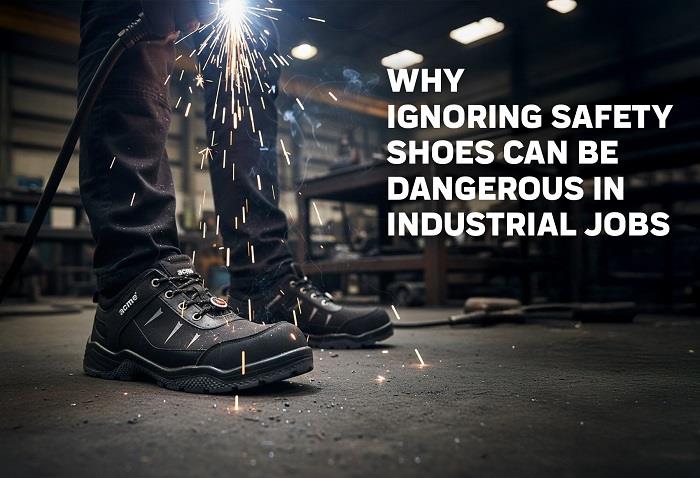
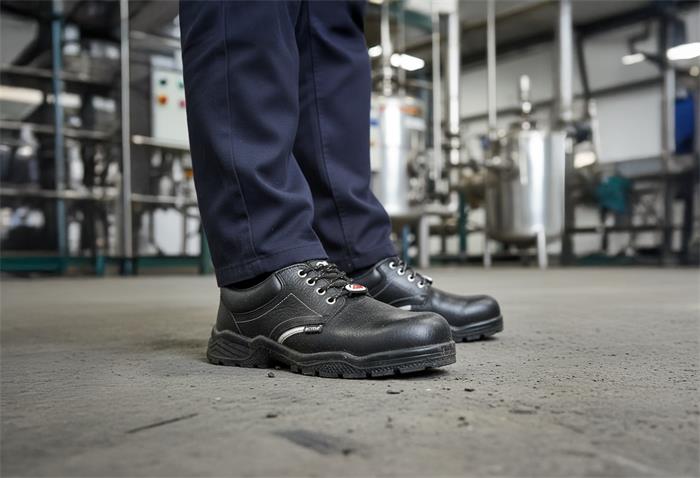
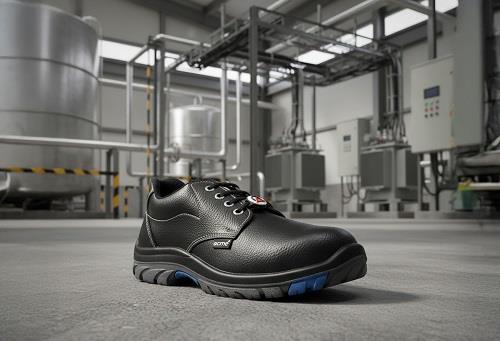
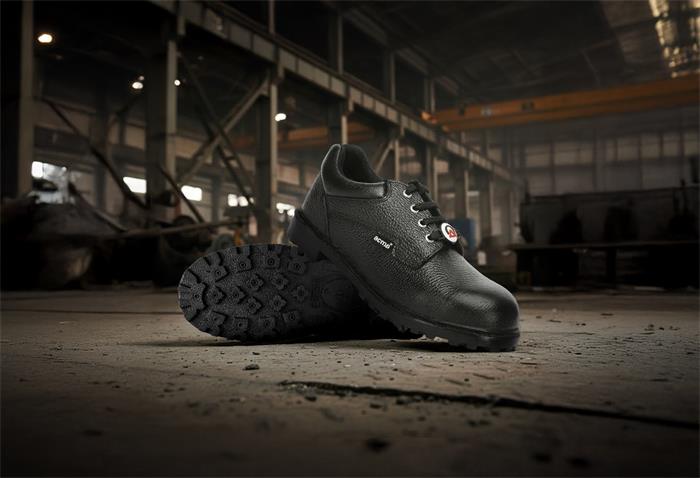


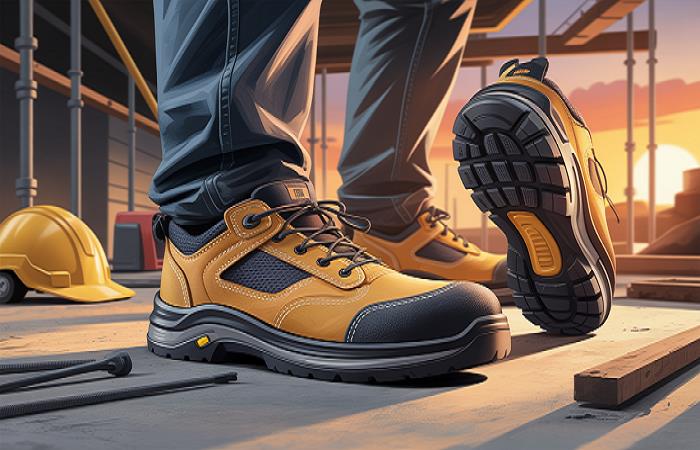




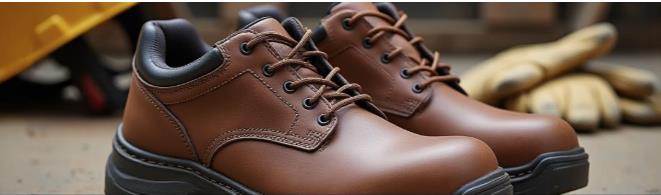
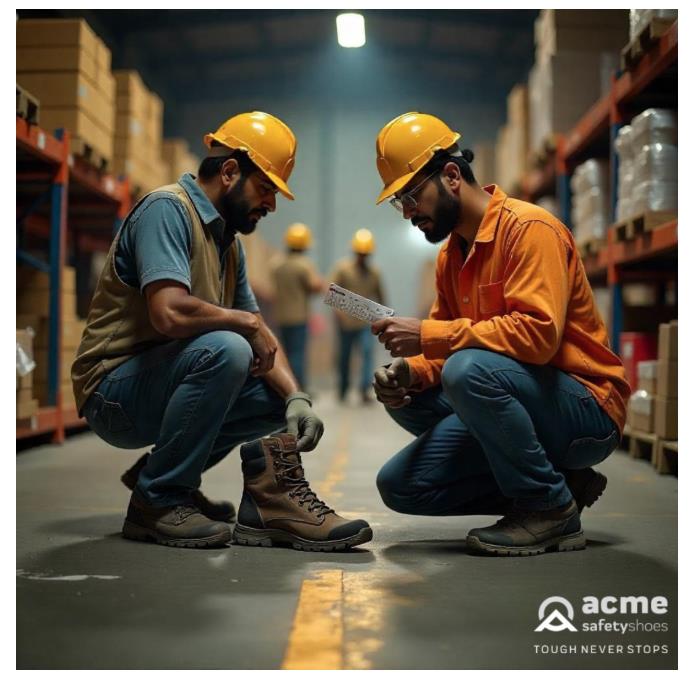
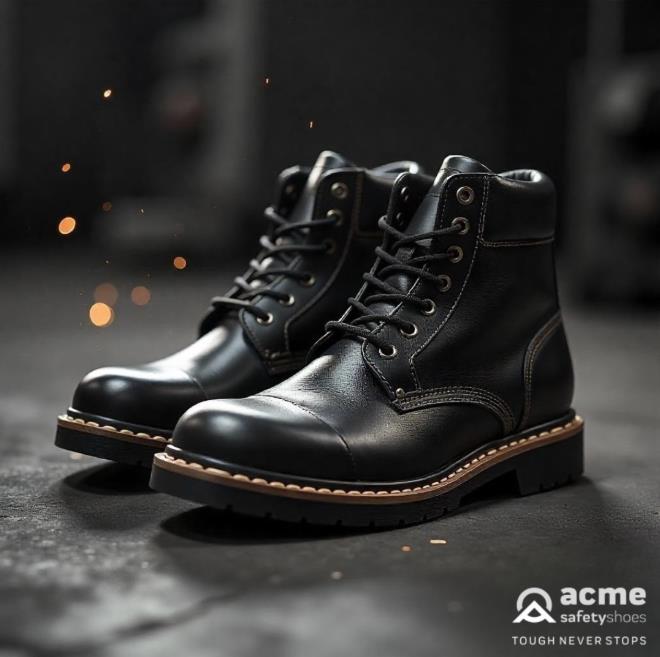

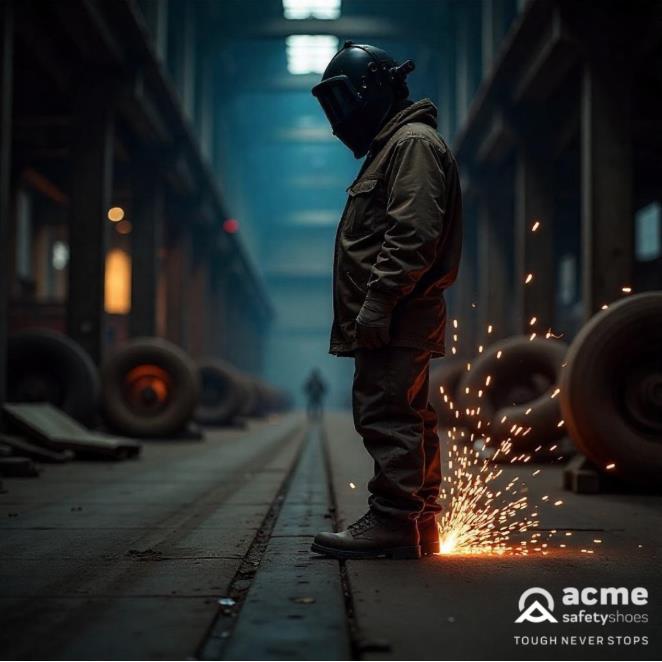
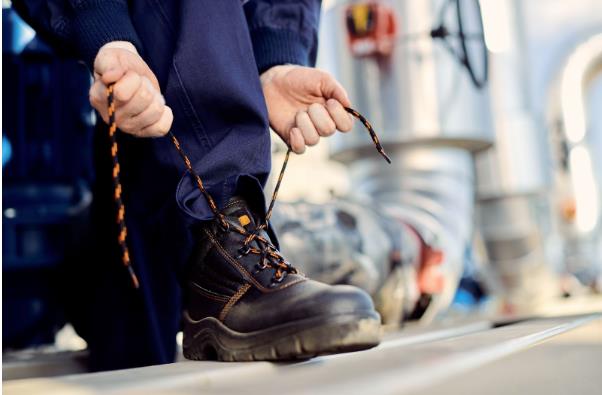
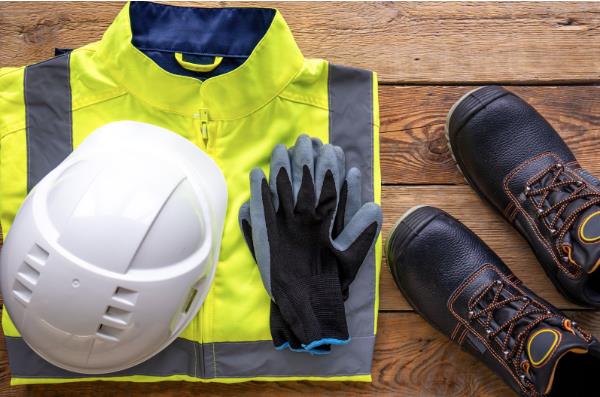
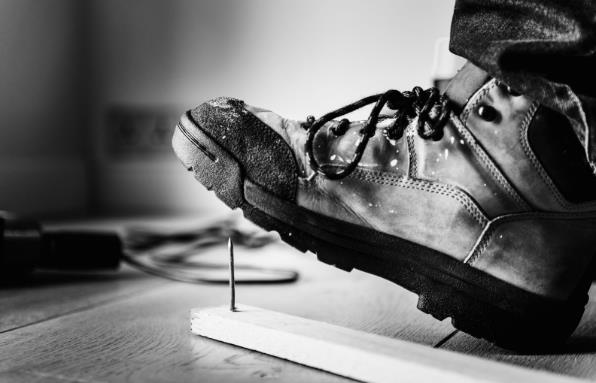
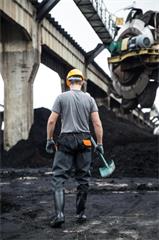
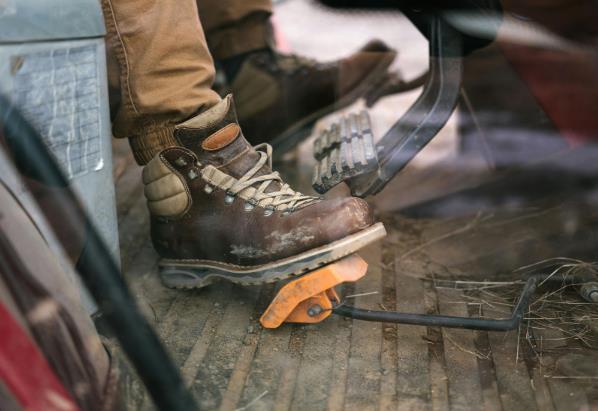
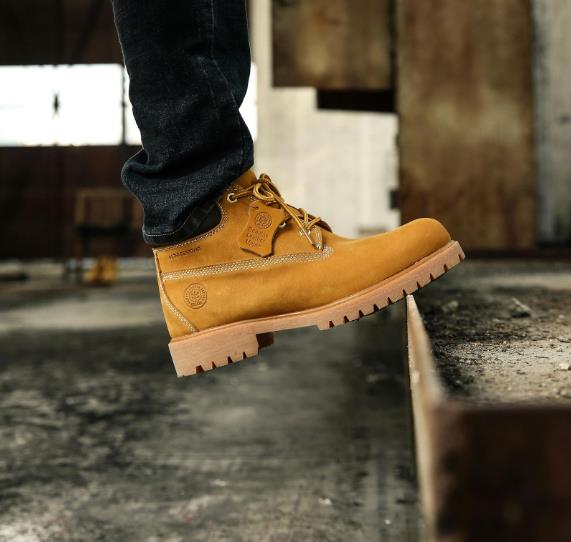

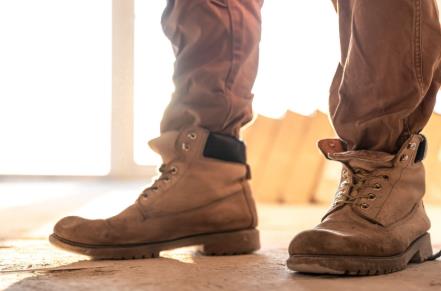
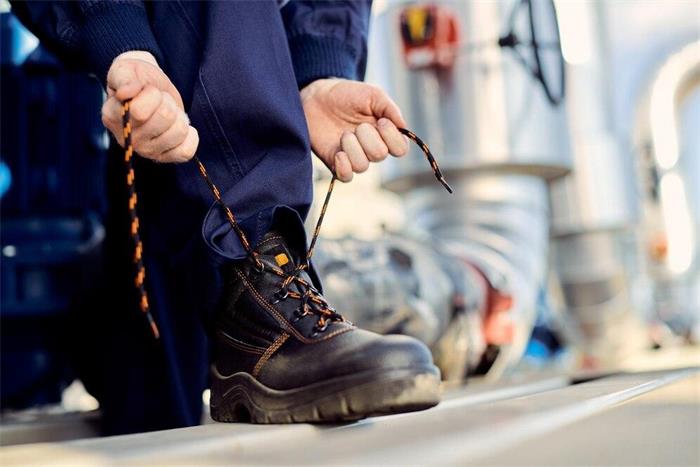
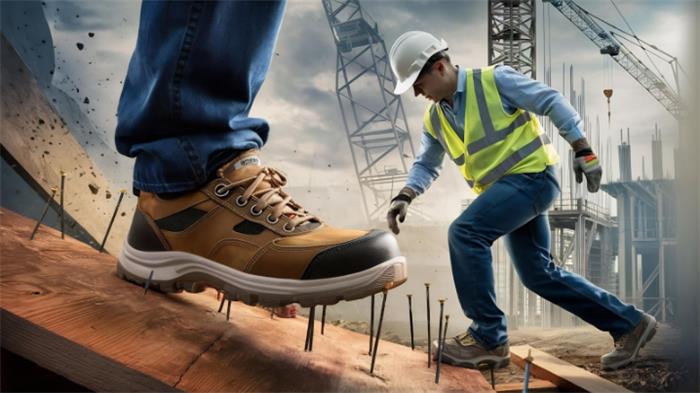
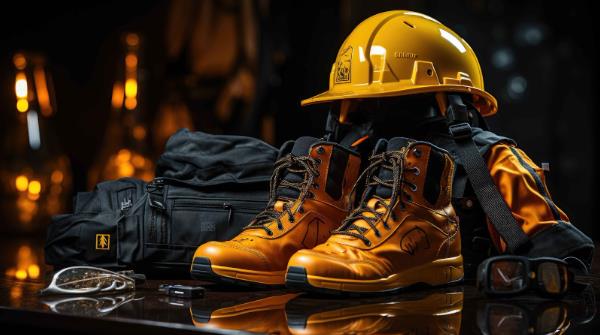

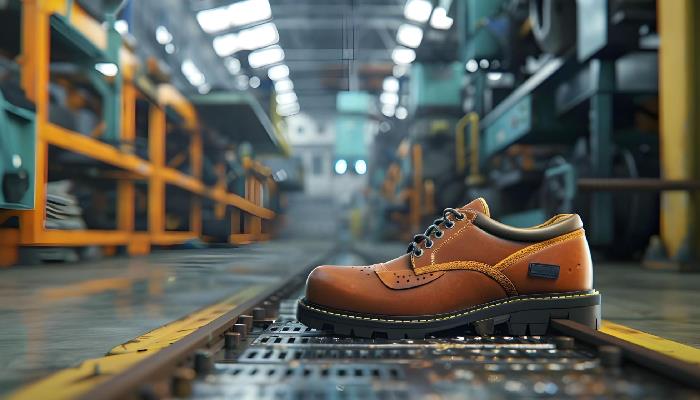
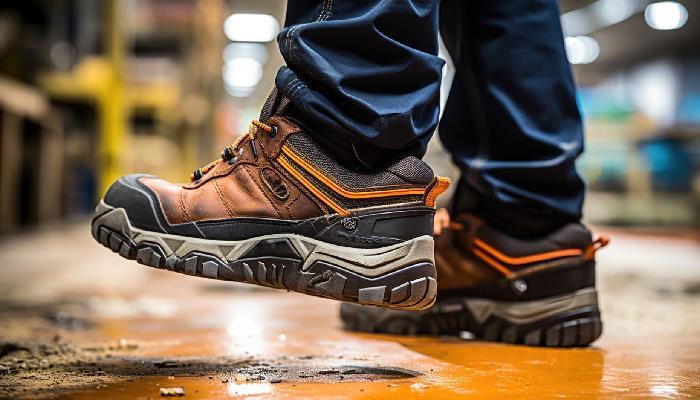
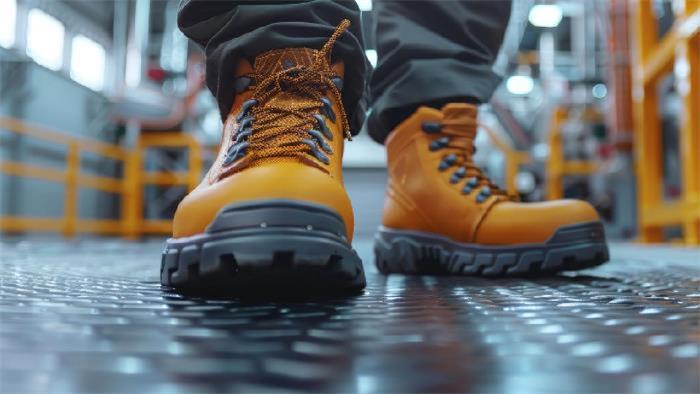

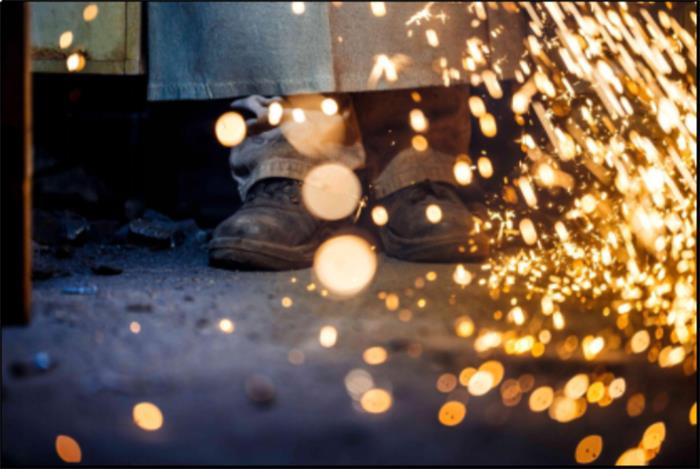
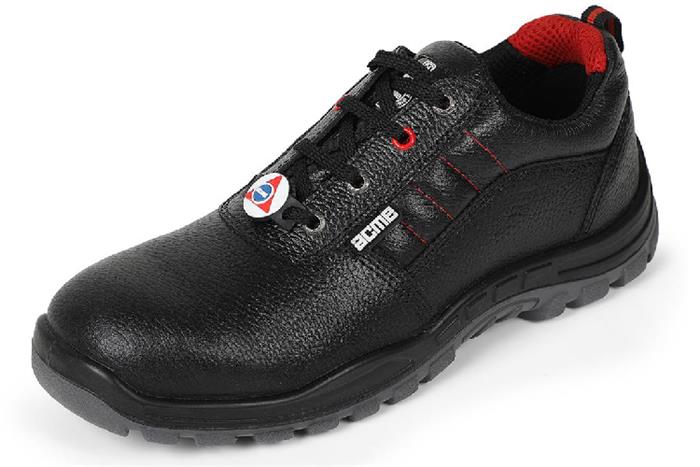
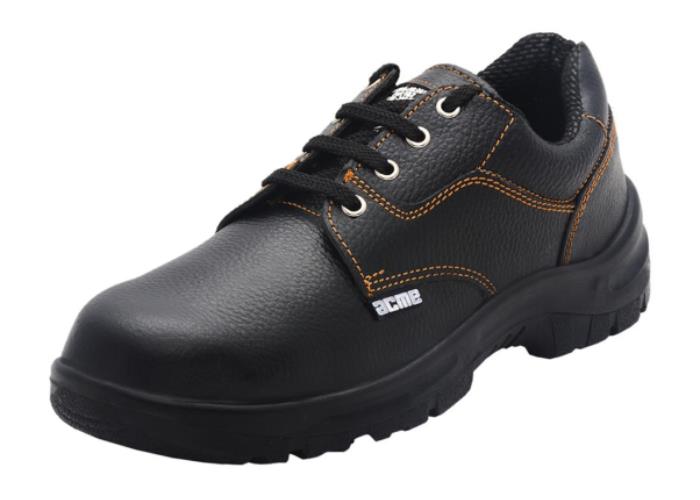
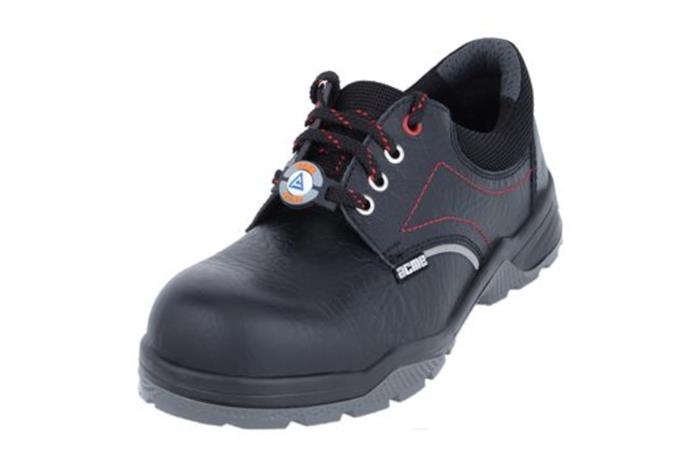
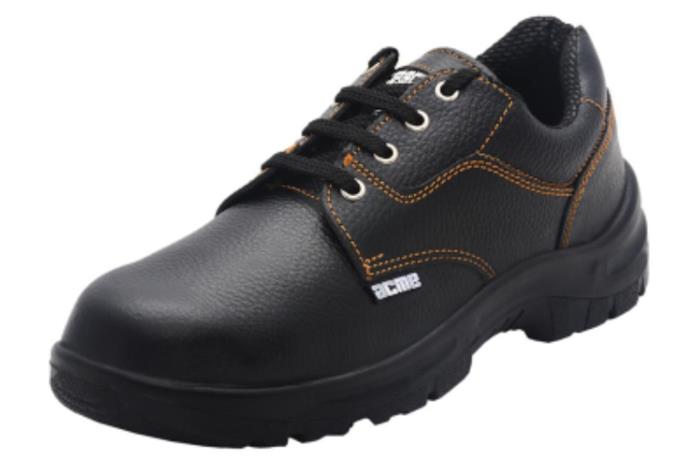
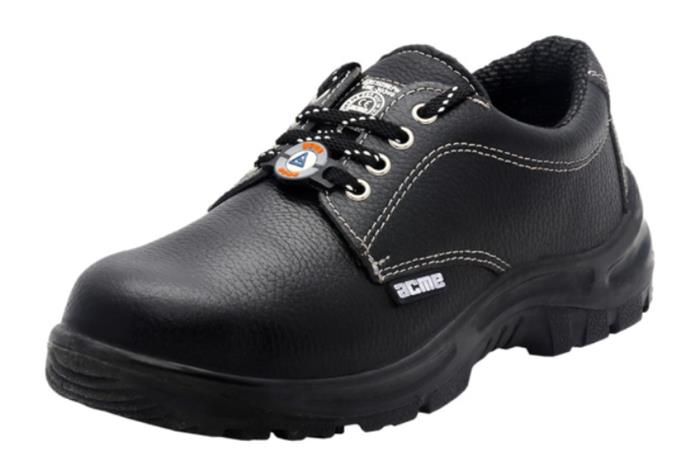
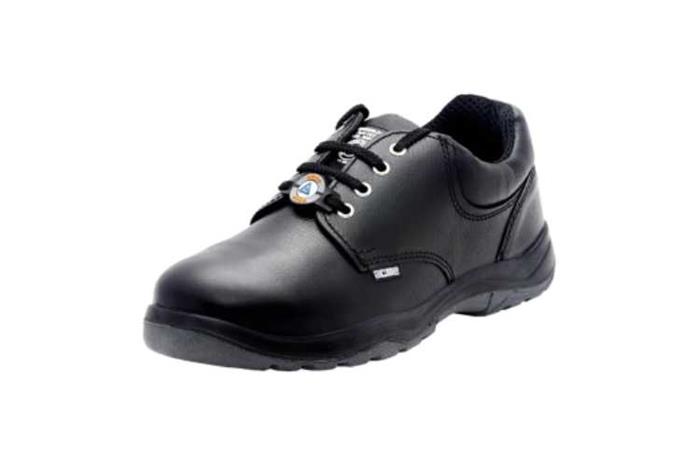
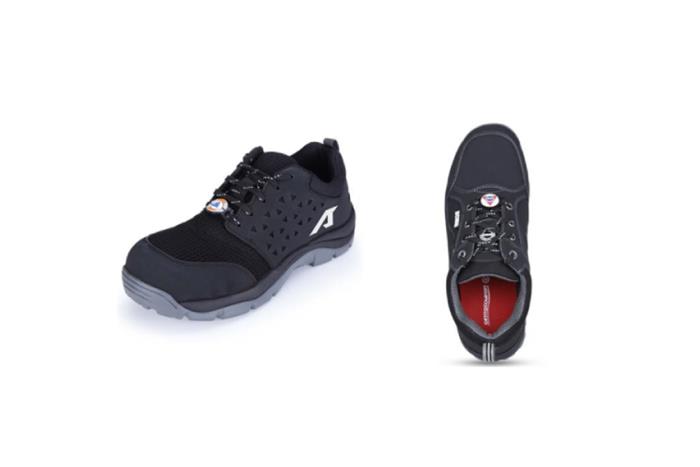
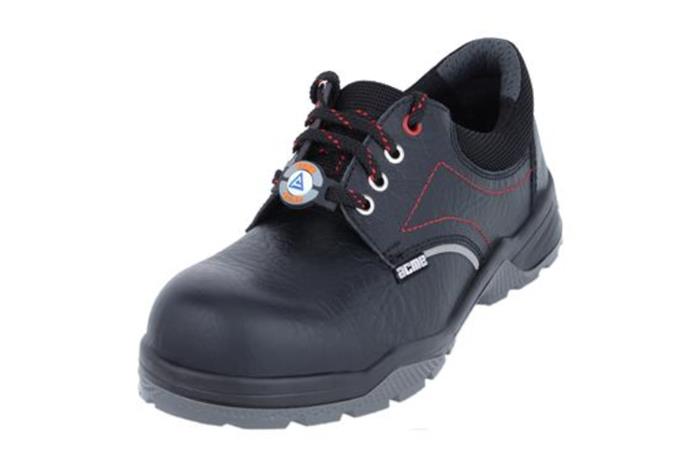
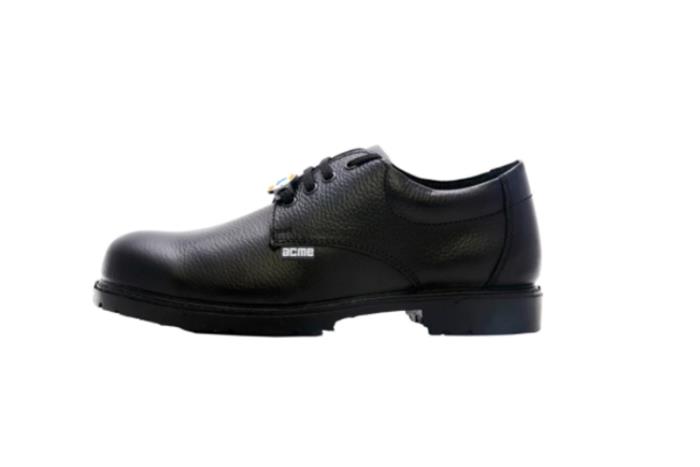
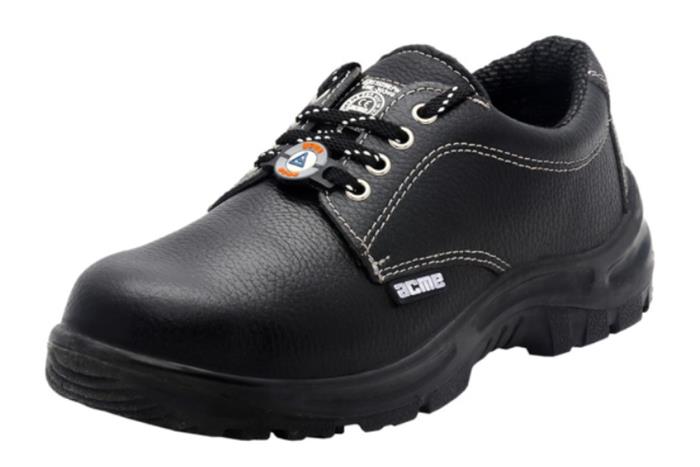
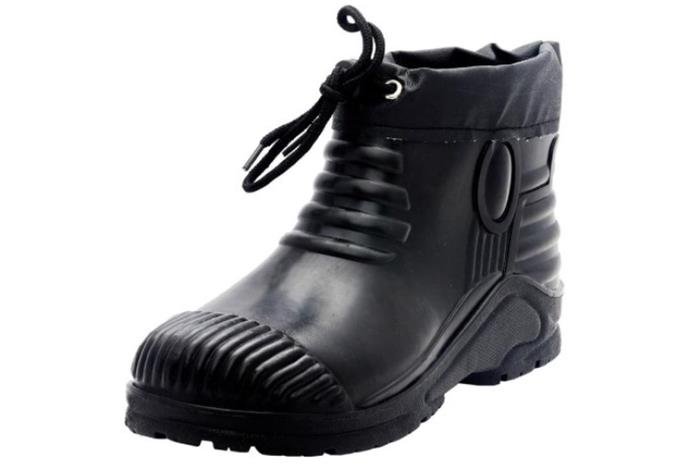
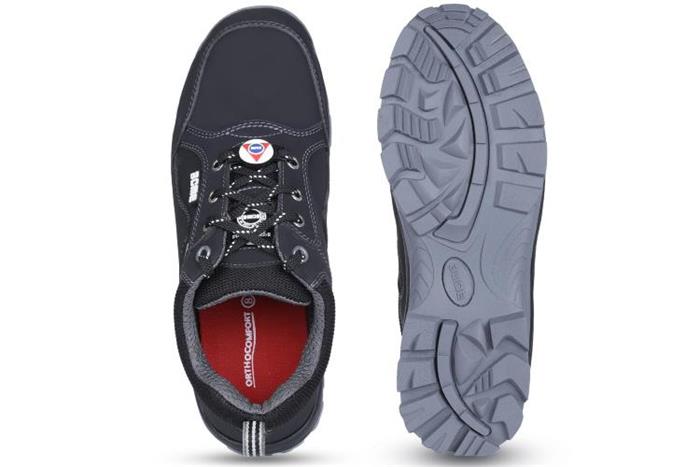
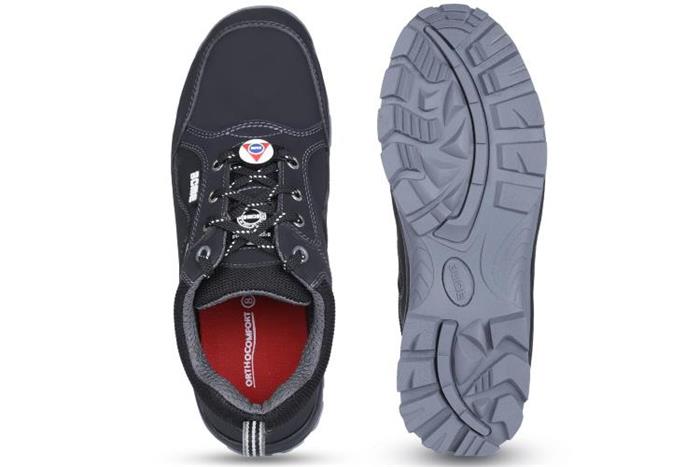
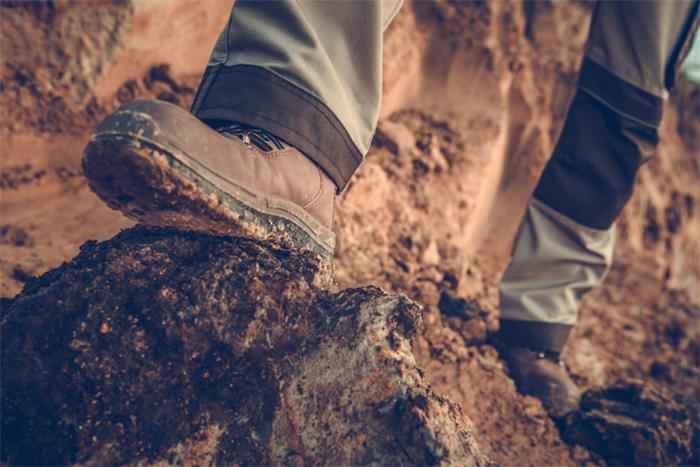
Manufacturing steel entails exposure to furnaces, heated surfaces, heated metal parts and metal particles. Under such conditions, shoes need to provide more than the basic level of foot protection.
Selecting the right safety shoes involves consideration of not only potential exposure to heat but also other hazards such as impact, slippery surfaces, oils and chemicals.
Why Heat Resistance Is Important in Steel Works
The workers may face the following dangers:
- Hot floors
- Hot surfaces
- Heated metal parts
- Radiant heat from furnaces
- Hot metal particles
- Molten metal splash
The right shoes should be chosen taking into account the particular danger of the workplace.
What Are Heat-Resistant Safety Shoes?
Heat-resistant footwear can provide different types of heat protection. They include:
- Heat-resistant outsoles – meant to withstand contact with hot surfaces;
- Heat insulation – to reduce heat transfer through the sole;
- Molten-metal resistance – designed for workplaces where the presence of molten metal is expected.
The features described above are not interchangeable. The presence of a heat-resistant outsole doesn’t imply that the footwear is safe for the molten metal environment.
What Does 300°C Heat Resistance Imply?
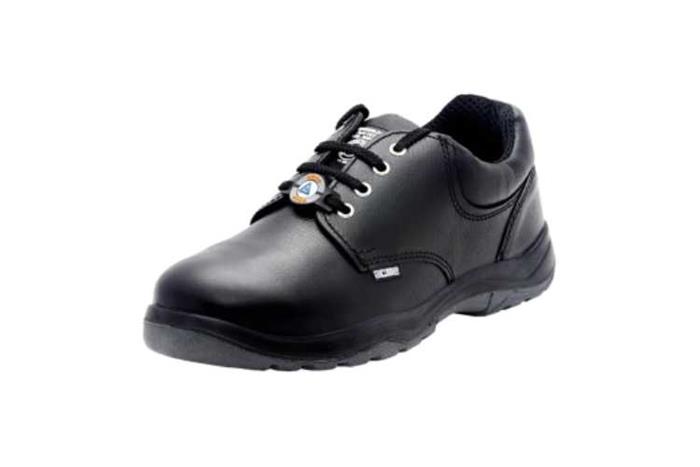
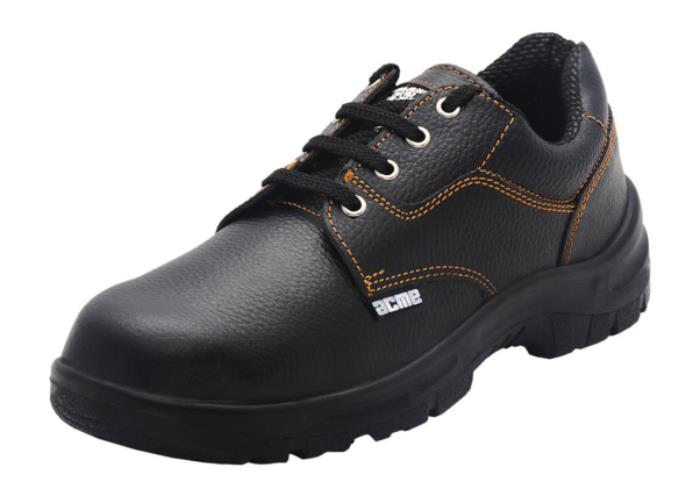
Some models of Acme shoes have a sole heat resistance of up to 300°C for a duration of up to one minute.
Such information indicates the tested characteristics of the outsole at stated conditions. This does not mean that the whole shoe or the foot of a worker can stand such temperatures for a longer time.
When choosing footwear for the steel industry, one should always compare the specifications of the tested footwear with the actual conditions at the workplace.
Heat Resistance vs Heat Insulation
Those two terms mean different things.
Heat resistance is a term indicating the possibility of a sole to withstand contact with a hot surface.
Heat insulation is a term indicating limitation of the heat transfer through the footwear to the foot.
Knowing the difference between those terms is important in the choice of industrial safety shoes in high-temperature environments.
Other Characteristics that Steel Workers Need to Look for
The heat is not always the only hazard that can appear at the workplace. Thus, a good pair of protective shoes might need to have:
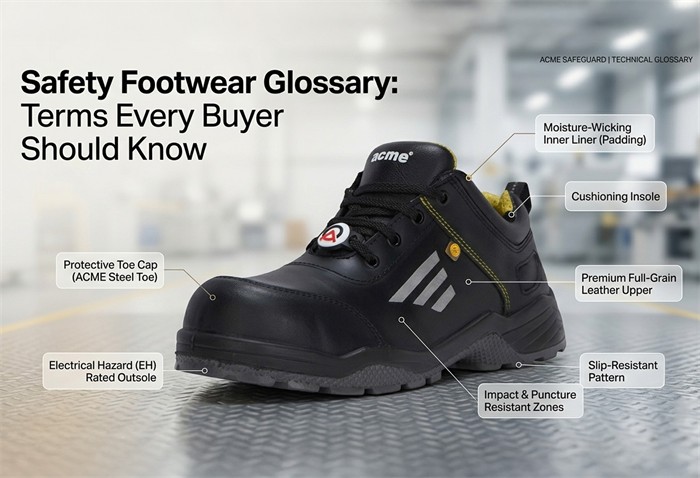
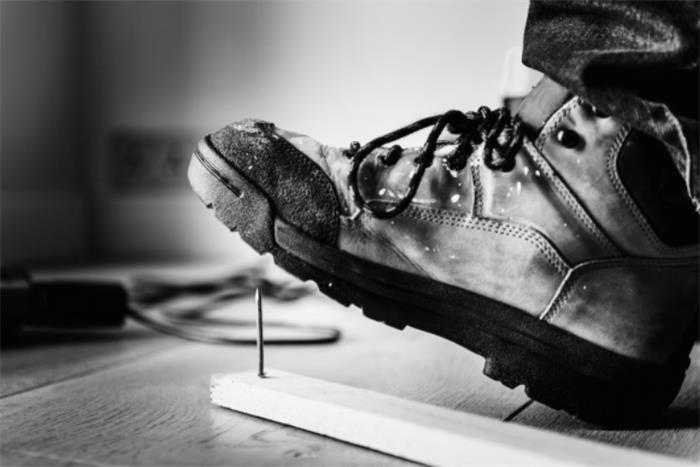
- Protection from impacts and compressions
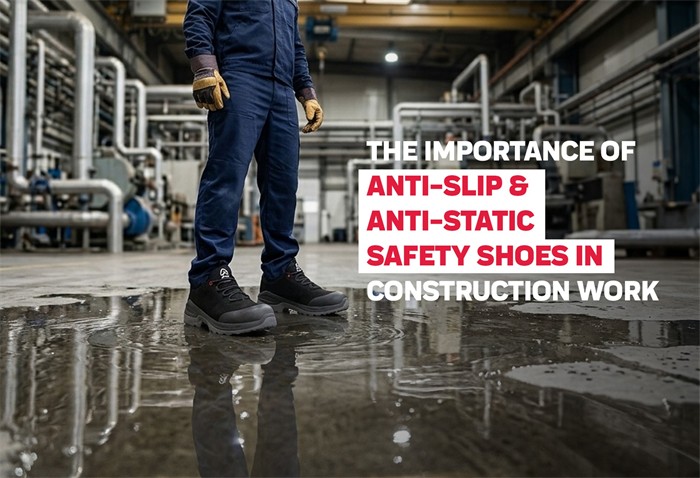
- Resistance to slipping on oily or wet floors
- Resistance to oil and chemicals, if necessary
- Electrical properties dependent on the work place
- Comfortable cushioning and good fit for long periods of wearing
Indian standard IS 15298 (Part 2):2024 specifies the requirements for safety footwear and includes such aspects as anti-slip properties, electrical properties, water resistance and resistance to hot contact.
How to Select the Proper Safety Shoes
The best safety shoes in India for steel workers shall be chosen considering the actual threats in the work environment.
Prior to the purchase it is necessary to estimate:
- Maximum temperatures in the workplace
- Risk of hot surface contact
- Molten-metal contact
- Impact and compression risks
- Slip risks
- Oil and chemical contact
- Required certification
- Daily wearing time
Some models of Acme shoes have 300°C sole resistance to the heat for up to one minute providing procurement teams with the particular specification to test it against the workplace needs.
Conclusion
Protection against heat is one of the factors to be considered by steel industry workers, however, the temperature protection should never be estimated separately.
Industrial safety shoes require good heat performance along with protection against other dangers found on the shop floor. Comparing the safety shoes with their specifications and the actual requirements will help in making the decision.
Frequently Asked Questions
1. Do safety shoes withstand 300°C?
Certain types of safety shoes may be tested to withstand contact with heat up to 300°C for one minute. This does not mean that the whole shoe or foot can withstand 300°C continuously.
2. Are heat-resistant shoes enough for molten metal?
No, because protection from hot surfaces and protection from molten metal splash are two separate requirements. The footwear needs to be designed specially for this purpose.
3. Is all industrial safety footwear heat resistant?
No. Heat resistance is a certain type of performance parameter. It is recommended to compare the safety shoe product specifications and certifications before choosing.
4. What should a steel company look for when buying safety shoes?
Steel companies need to consider many factors such as heat exposure, impact, slip resistance, chemical and electrical performance, and so on.
5. How do I choose the best safety shoes in India for steel work?
Start with a workplace hazard assessment. Then compare heat resistance, toe protection, slip resistance, outsole properties, certification, comfort and durability against the actual requirements of the job.
