

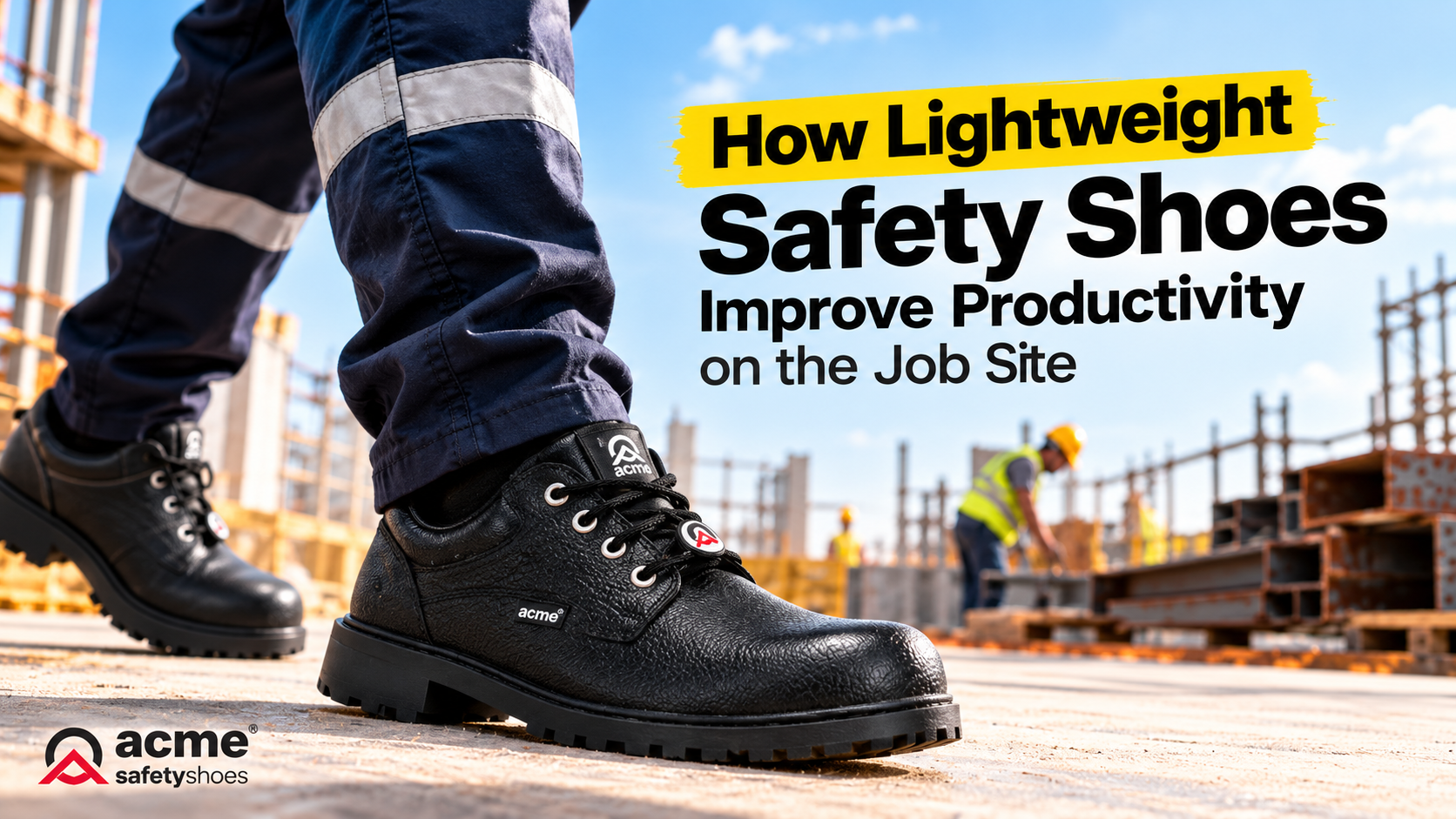



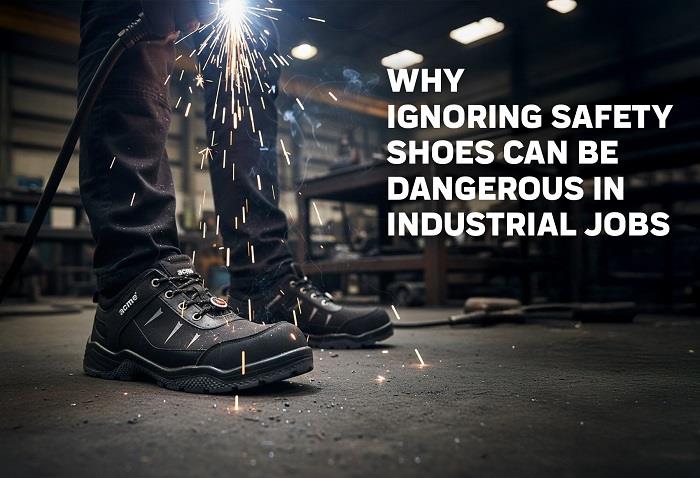
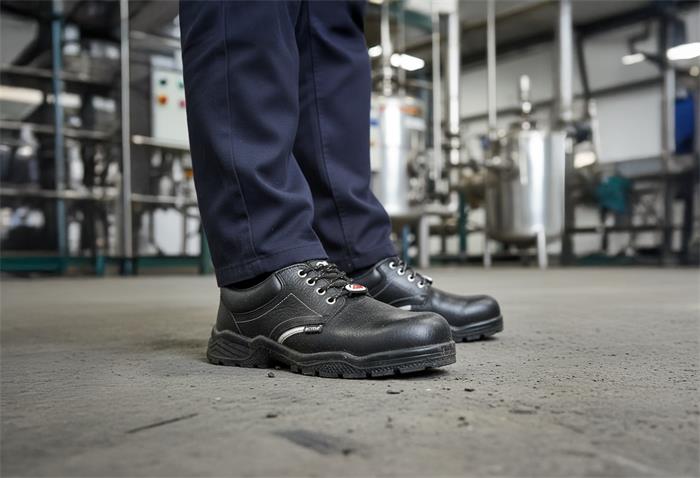
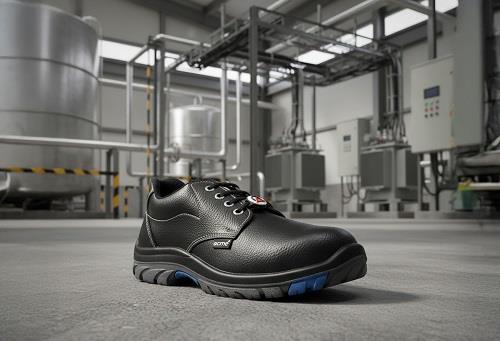
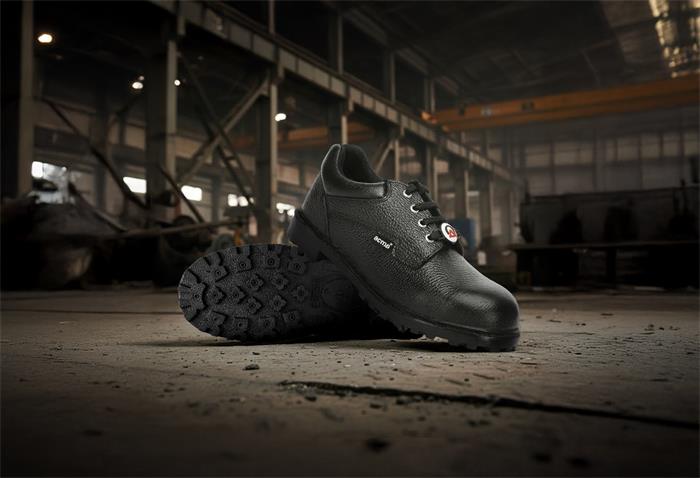


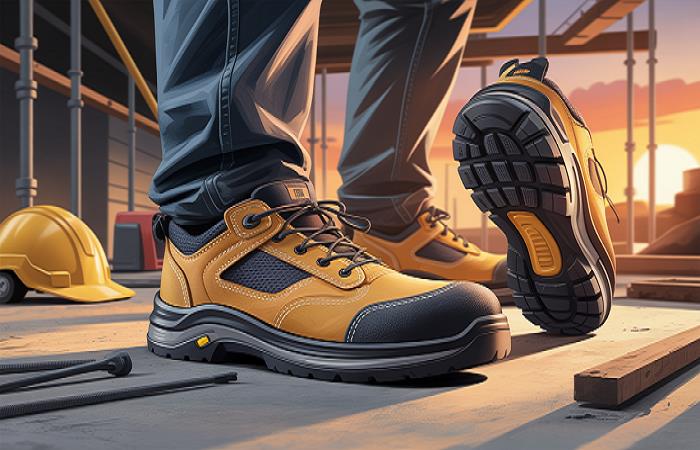








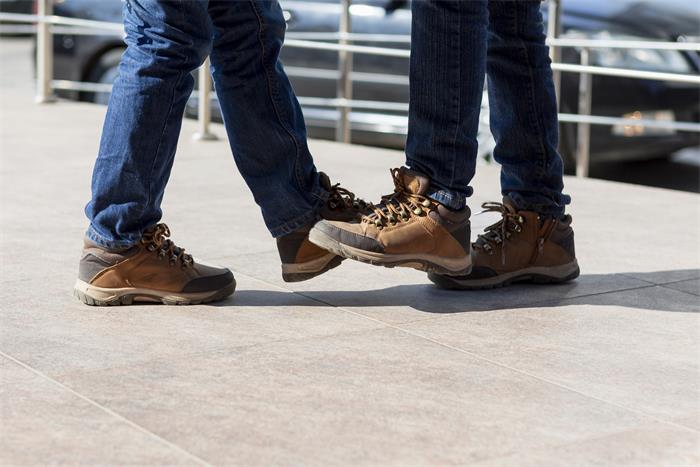
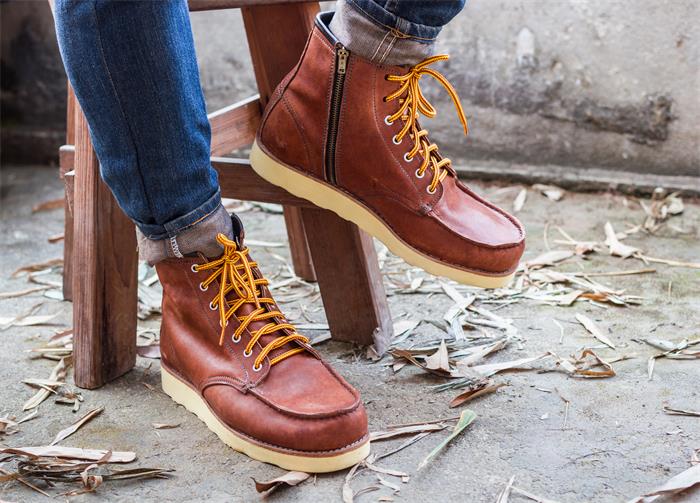
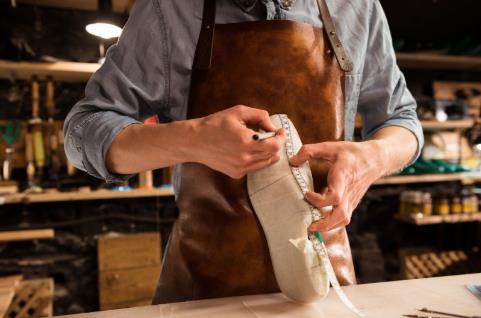

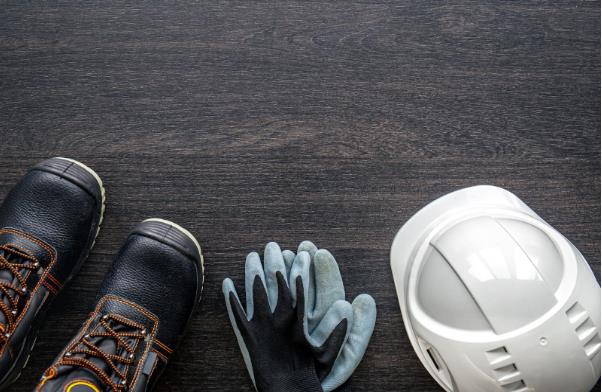
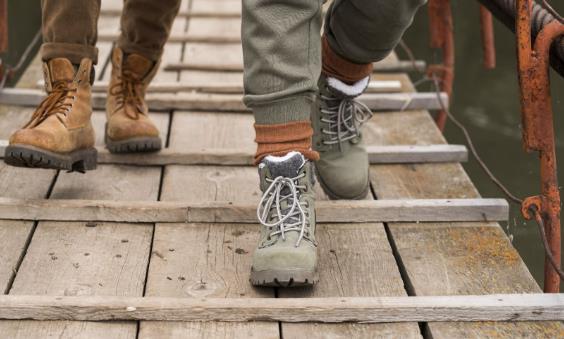

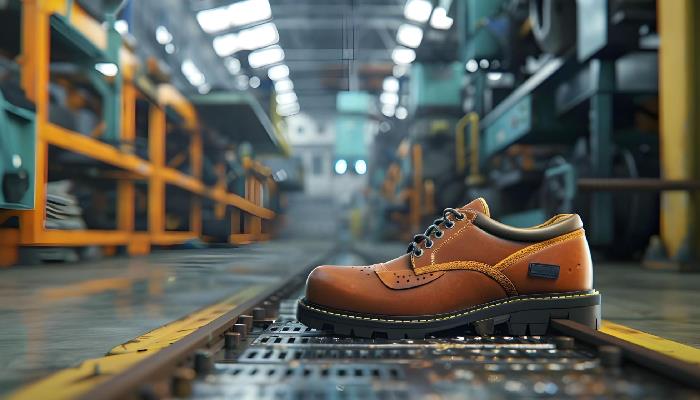
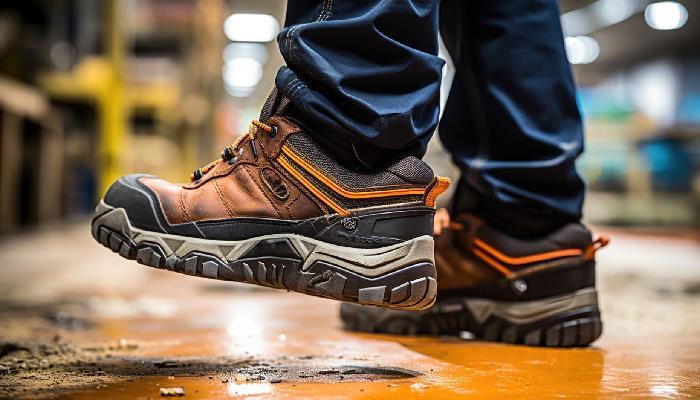
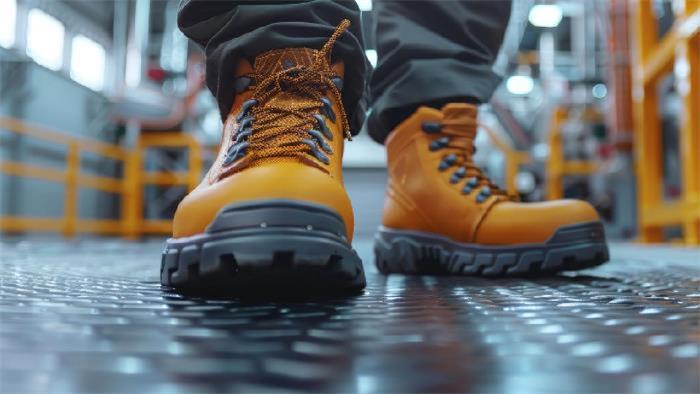
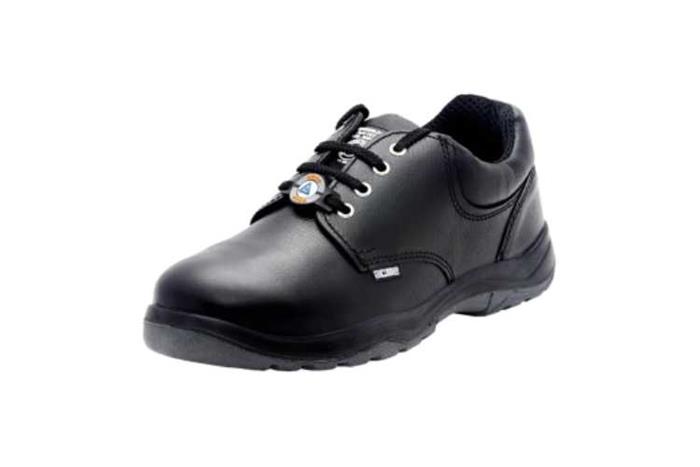

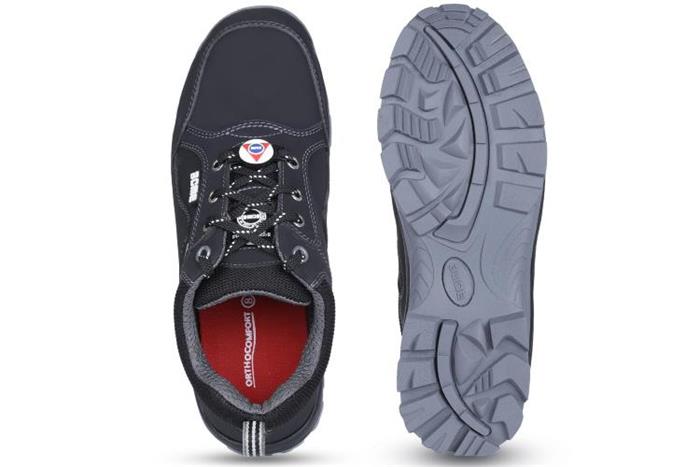
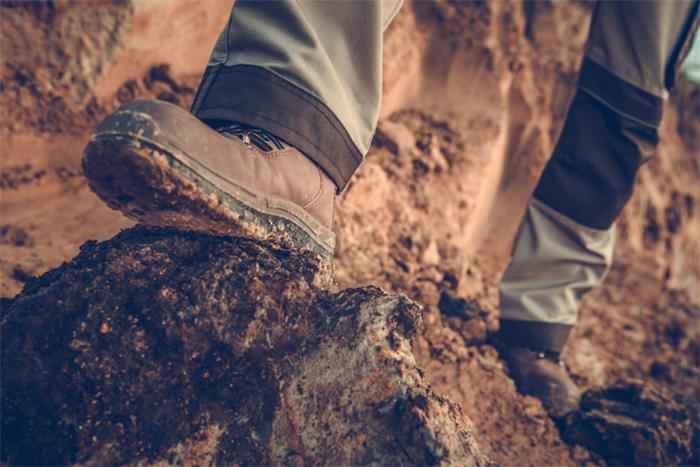
Employees spend hours walking, standing, climbing, and moving between different work stations. While safety footwear provides protection against various dangers, it also adds to the worker’s weight.
That is the reason why lightweight safety shoes are an important aspect of modern footwear solutions. Instead of making safety footwear lighter, the task is to get rid of the excessive weight and preserve the necessary protection.
Why Is Weight Important?
Excessive weight on one’s feet adds weight with each step made. It contributes to the feeling of heaviness and discomfort during work.
Lightweight footwear can contribute to the following aspects:
- Improved mobility around the working area
- More comfortable walking
- Reduced feeling of heaviness
- Increased mobility between work areas
- Better comfort during long hours at work
However, the weight should not be separated from protection.
Lightweight Does Not Mean Less Protection
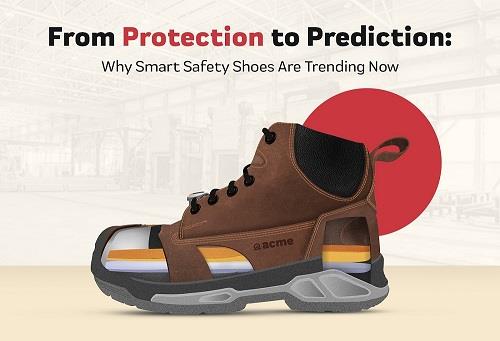
Modern footwear technology makes it possible to reduce weight and keep protection characteristics intact.
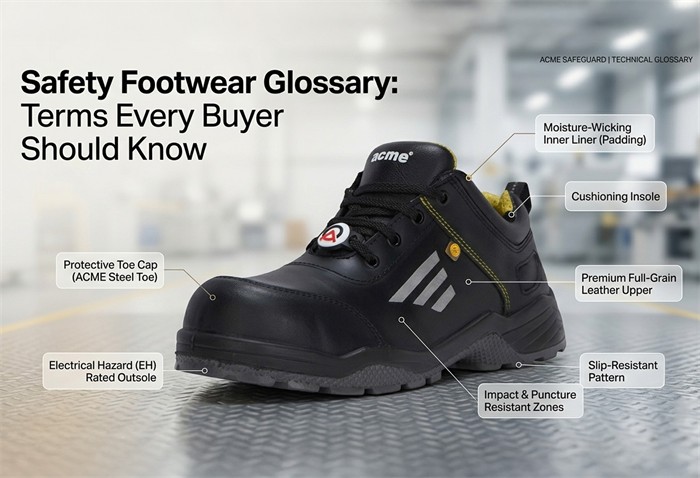
Depending on the application, lightweight safety shoes can have the following features:
- Composite toe cap
- Lightweight cushioning
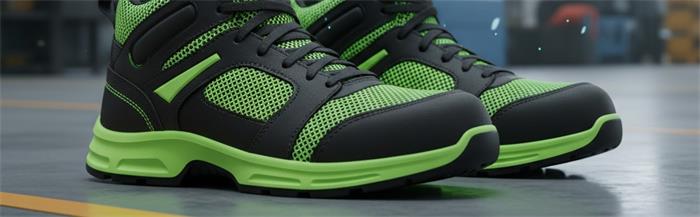
- Engineered upper
- Breathable lining
- Protective midsoles
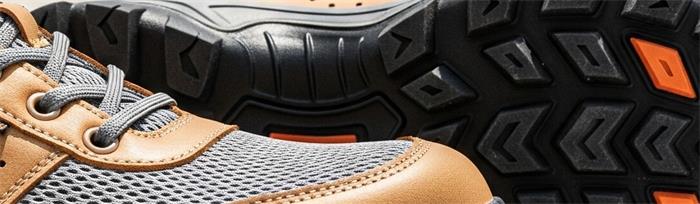
- Flexible outsole construction
Combination of the characteristics will depend on potential workplace hazards and safety requirements associated with the footwear.
How Comfort Can Impact Productivity
Employees who spend a significant portion of their shift in standing and walking position require footwear that stays comfortable throughout a long working period.
Comfort can affect the ability of the employee to conduct routine tasks, including:
- Walking between workstations
- Handling of materials
- Stair climbing
- Standing for an extended period
- Moving around the machinery
- Changing directions constantly
Comfortable footwear cannot substitute proper workplace safety precautions, yet it can make work more tolerable during long hours.
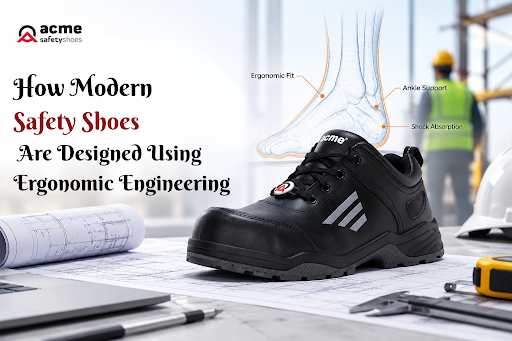
The Importance of Ergonomic Footwear
Weight is not the only characteristic associated with ergonomics. Inefficient footwear that is very light may also cause discomfort.
Modern footwear design can include:
- Toes space: enough space for natural foot movements
- Heel stability: to maintain the foot in a correct position
- Cushioning: to manage the impact and pressure
- Flexibility: to ensure natural walking
- Fit: to prevent excessive pressure points
There were studies that showed that footwear characteristics may affect the comfort, walking and pressure distribution.
Lightweight Safety Footwear and Workplace Protection
Choosing light shoes only because of weight can be wrong. Before purchasing any safety shoes, it’s better to know what dangers employees face.
Depending on the working environment, footwear needs to provide:
- Toe protection against impact and pressure
- Resistance to slipping
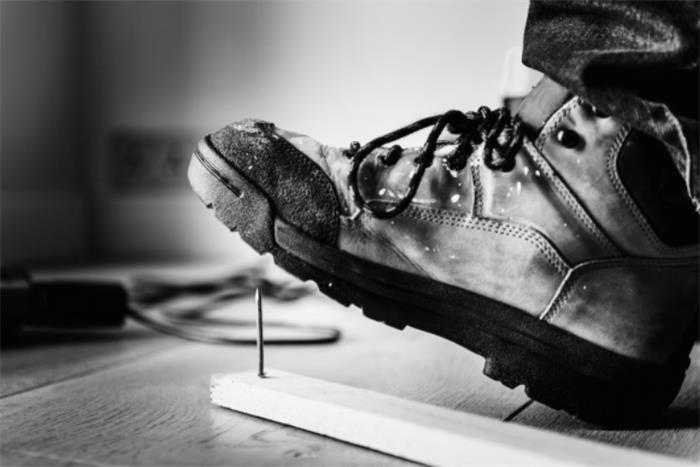
- Resistance to punctures
- Electrical characteristics
- Waterproofing
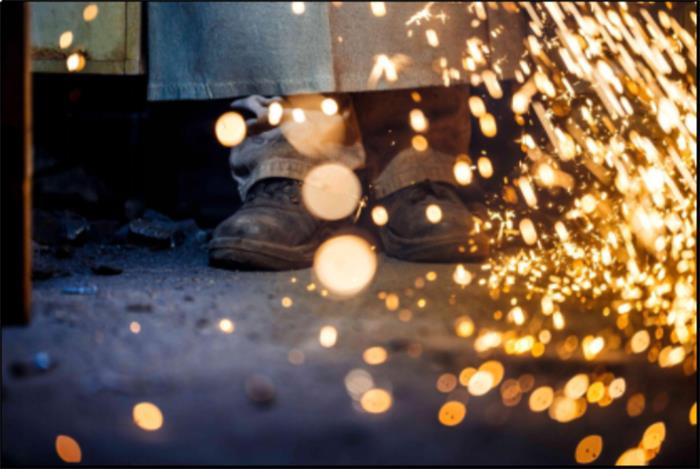
- Heat resistance
- Oil or gasoline resistance
IS 15298 (Part 2):2024 includes requirements and test methods for many footwear properties in India, including resistance to slipping, electrical properties, waterproofing and heat resistance.
Why is Material Selection Important
New materials can allow designers to strike a balance between protection and weight.
Footwear may include:
- Composite caps instead of traditional steel
- Special design of upper to avoid unnecessary bulk
- Lightweight cushioning
- Modern outsole materials
The purpose is to design the footwear with enough protection but without unnecessary excess weight.
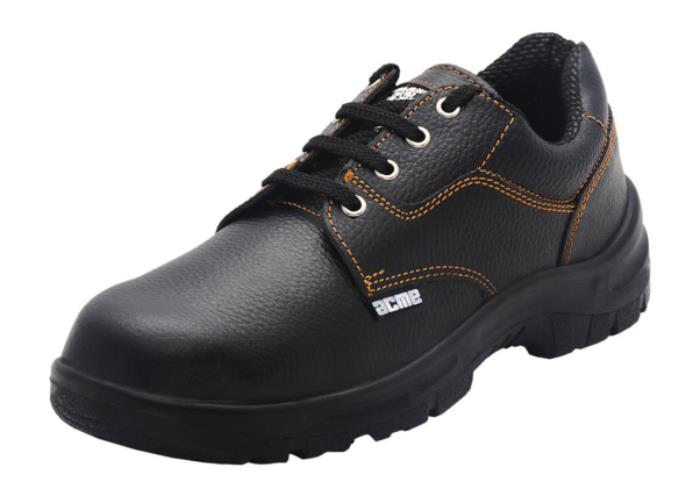
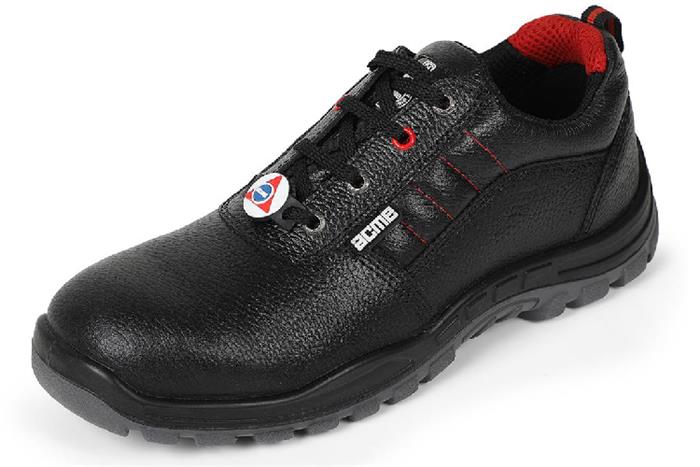
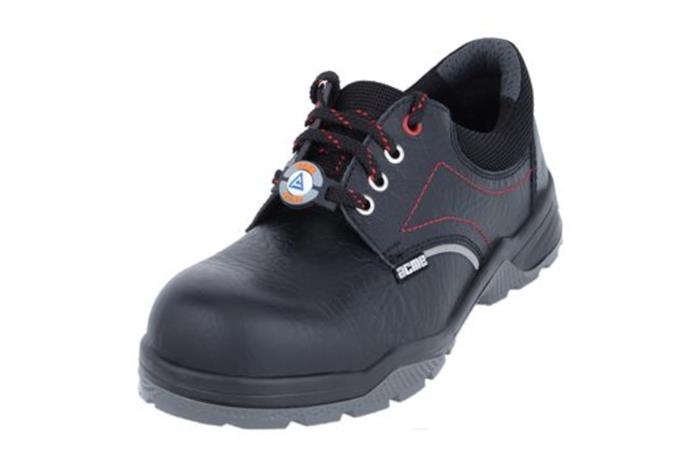
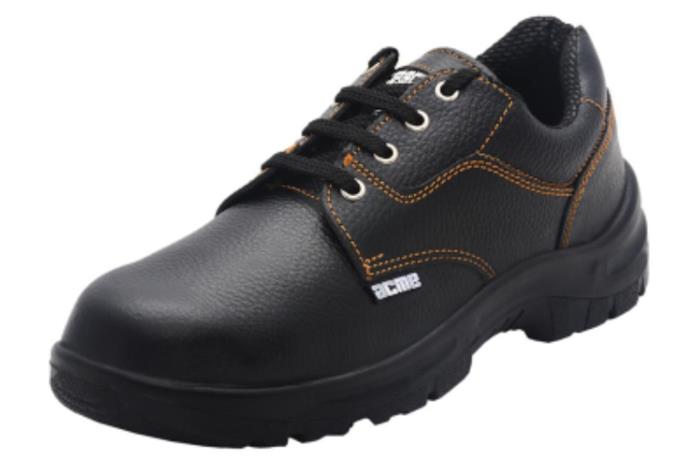
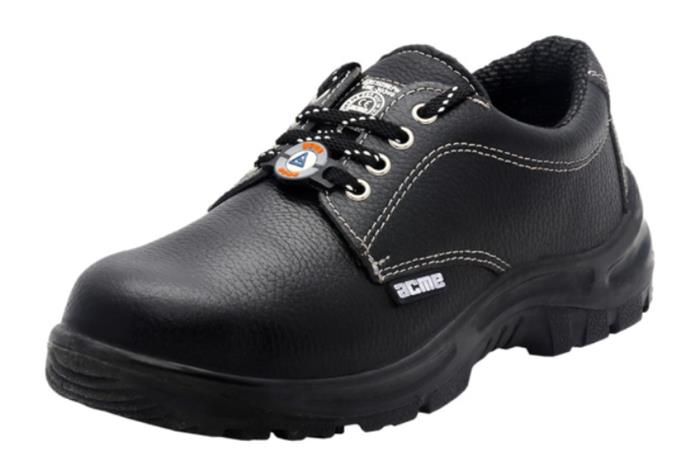
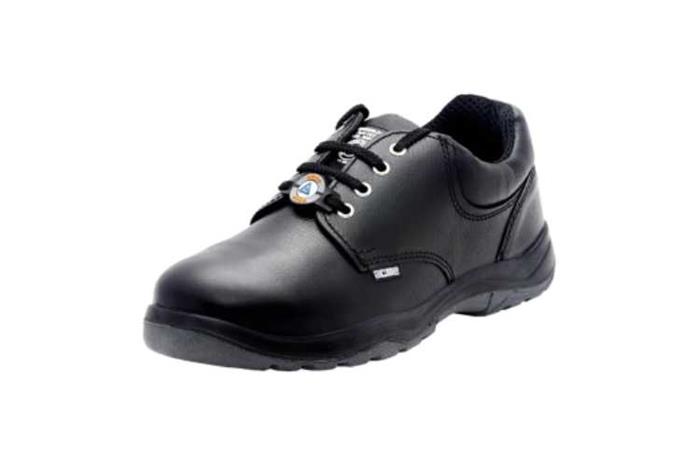
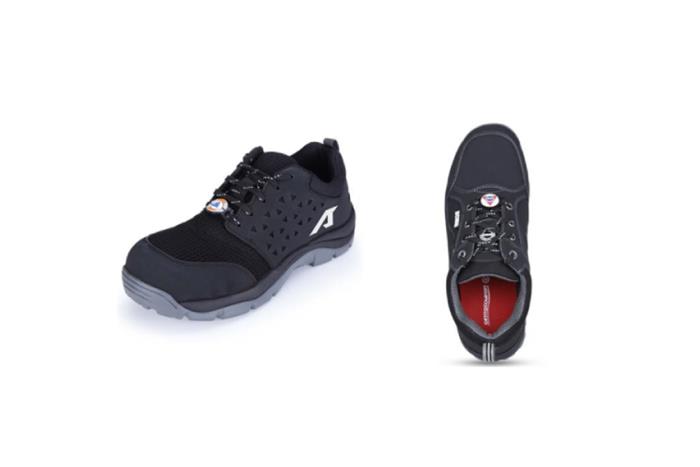
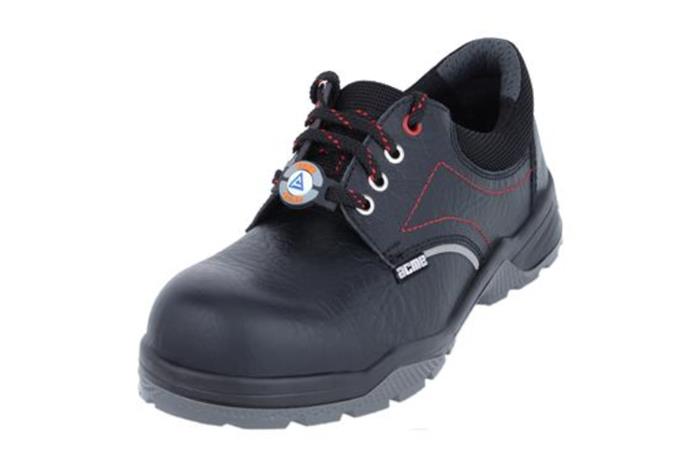
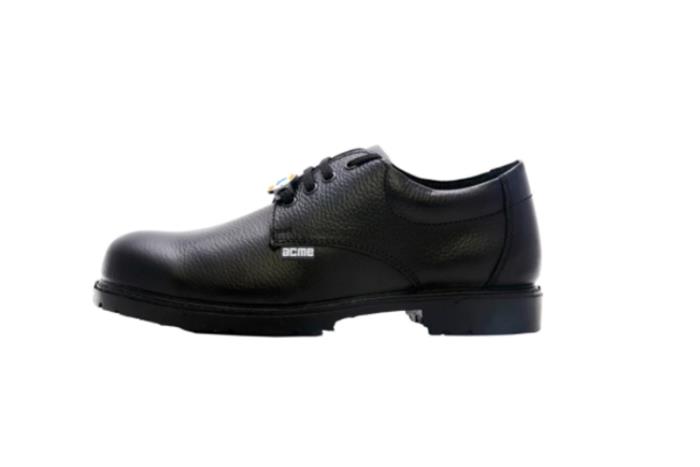
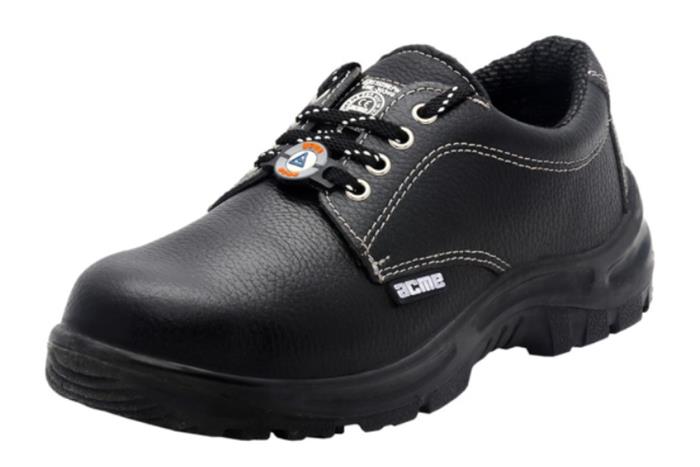
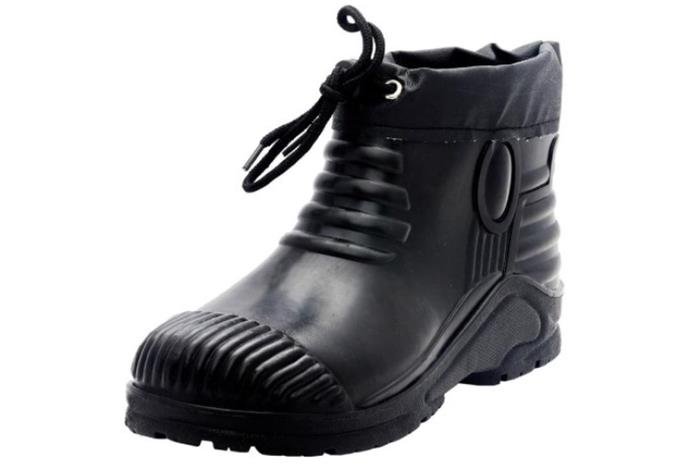
Features of Acme Safety Shoes and Lightweight Construction
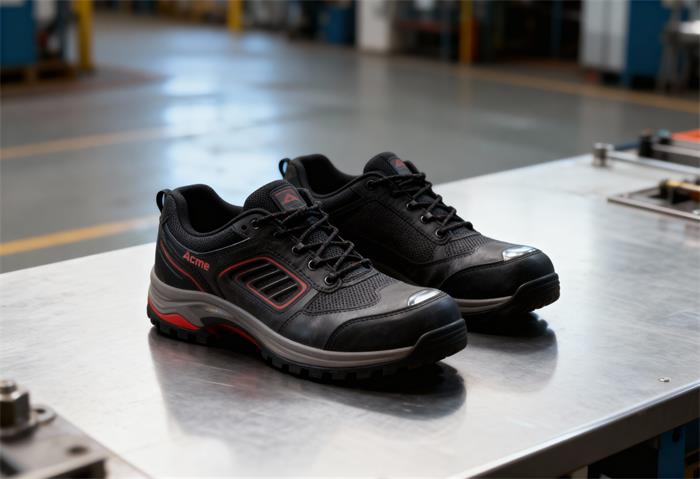
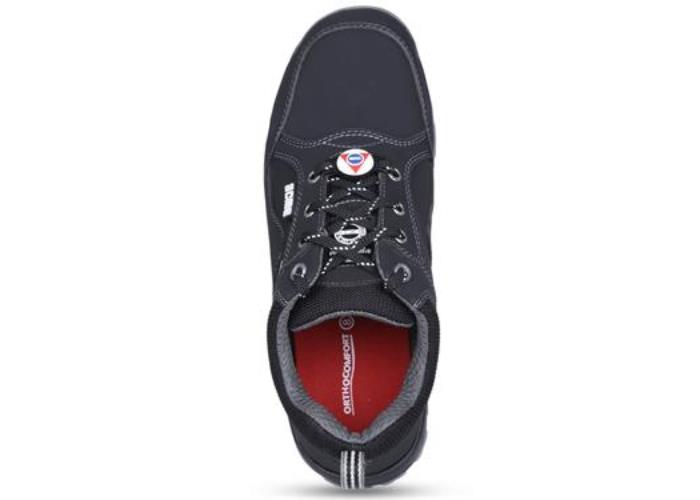
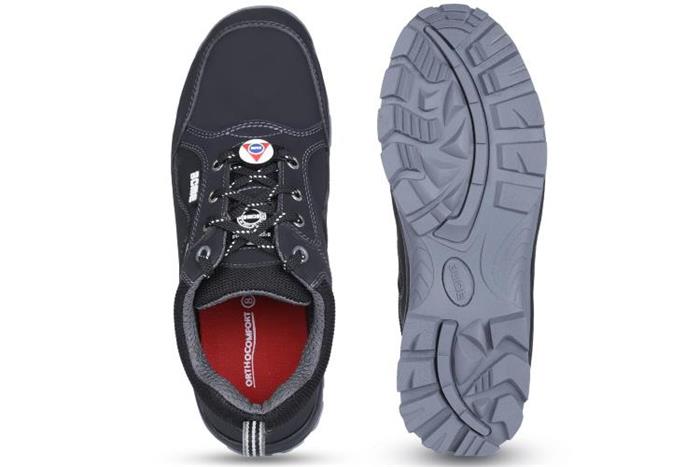
Features of Acme safety shoes include design elements that provide a balance between protection, comfort and mobility.
Depending on the type of footwear, features may include:
- Composite toe protection
- Lightweight construction
- Cushioning footbeds
- Breathable materials
- Slip-resistant outsoles
- Protection properties specific to the workplace
In any case, when choosing safety shoes, what counts is the assessment of the total product specification, but not the decision to buy footwear just because it is labeled as lightweight.
How to Pick Lightweight Safety Shoes
The best safety shoes brand in India for one work place cannot be considered as the optimal choice for another one.
Prior to purchase, consider:
Hazard identification
Determine what dangers employees encounter at work.
Certification
Check if the footwear meets the requirements of the relevant safety standard.
Weight & Mobility
Estimate if walking and movement are frequent.
Comfort & Fit
Test cushioning, roominess and overall fit of footwear.
Durability
Make sure that the materials of the footwear are suitable for your working environment.
All-day performance
Estimate if the workers would be comfortable during their whole shift.
Conclusion
Modern safety shoes become more and more oriented towards the search for a balance between protection, comfort and mobility of the workers.
For employees who walk and stand a lot at work, lightweight safety shoes make the footwear less cumbersome and facilitate everyday movement. At the same time, the protection provided by lightweight safety footwear must never be neglected.
The weight should not be the only criterion used by employers when comparing Acme safety shoes and other footwear.
In the end, the best safety shoes brand in India is one that gives the most effective and comfortable protection in terms of the requirements of the working environment.
Frequently Asked Questions
1. Are lightweight safety shoes protective enough?
Lightweight footwear can provide adequate protection, provided it meets all the requirements set out by the safety standards and has the right protective elements.
2. Can lightweight safety shoes help in reducing fatigue?
These types of safety shoes can make walking less exhausting because of the reduced weight. However, there are a lot of factors influencing the fatigue levels of workers including their work load, footwear comfort and conditions.
3. How do manufacturers create lightweight safety shoes?
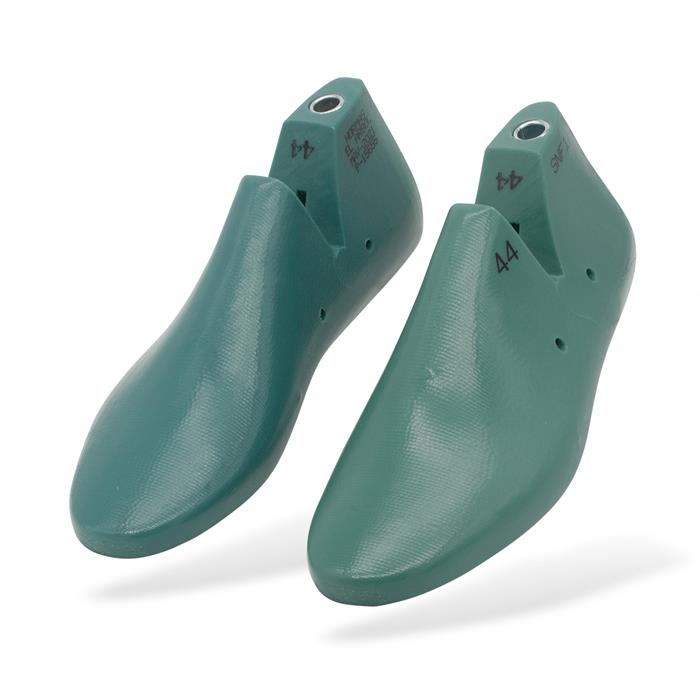
They can use lighter materials such as composite toe cap and upper, lightweight cushioning and innovative sole construction.
4. How should companies choose lightweight safety shoes?
First of all, they should analyze the workplace hazards and then compare certification, protection, weight, comfort, fit and durability to the needs of their job.
5. What makes a safety shoe suitable for long shifts?
A combination of good fit, cushioning, stability, breathability and manageable weight can make footwear more comfortable for prolonged use.
