




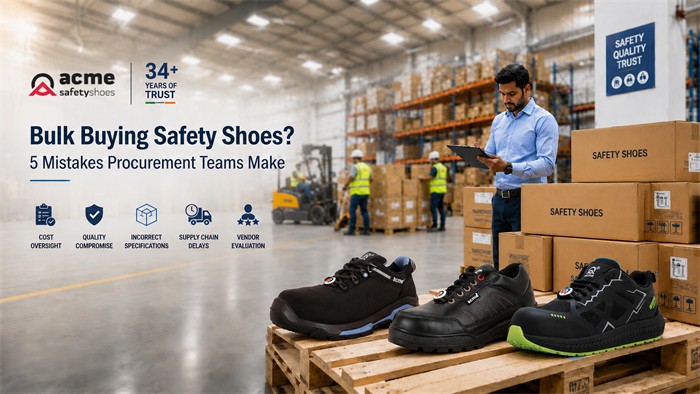
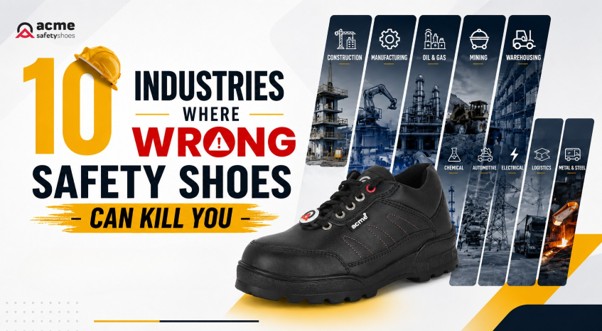


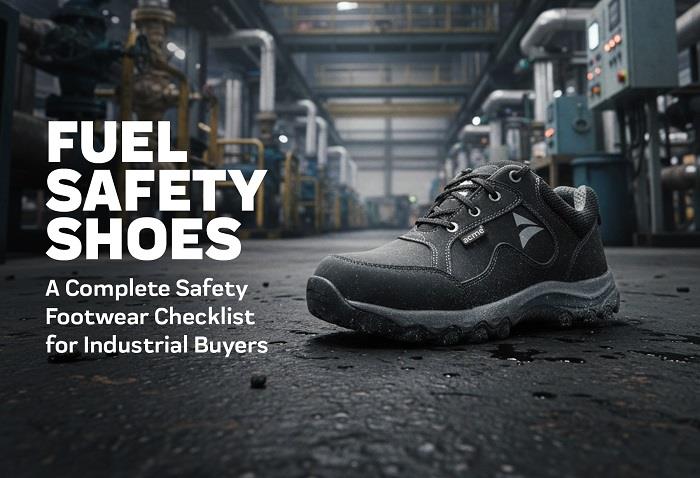
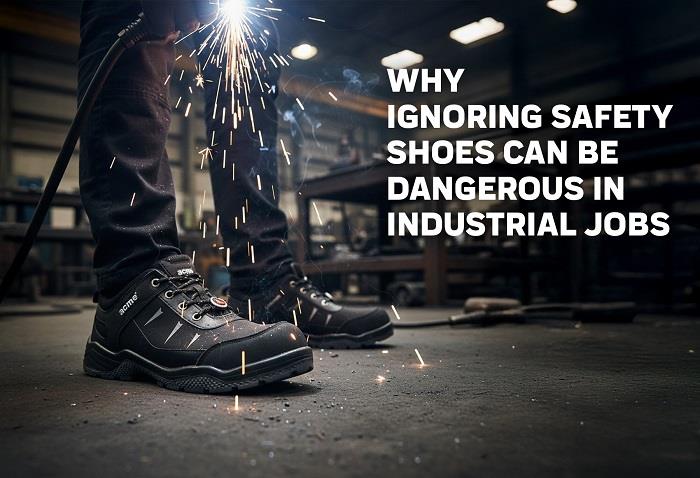
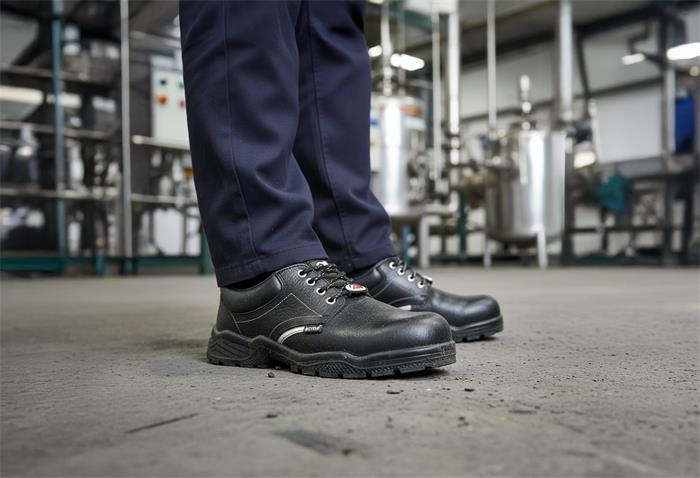
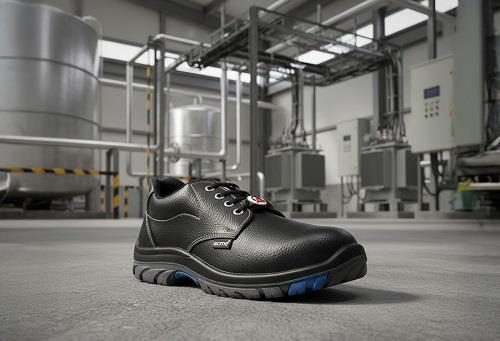
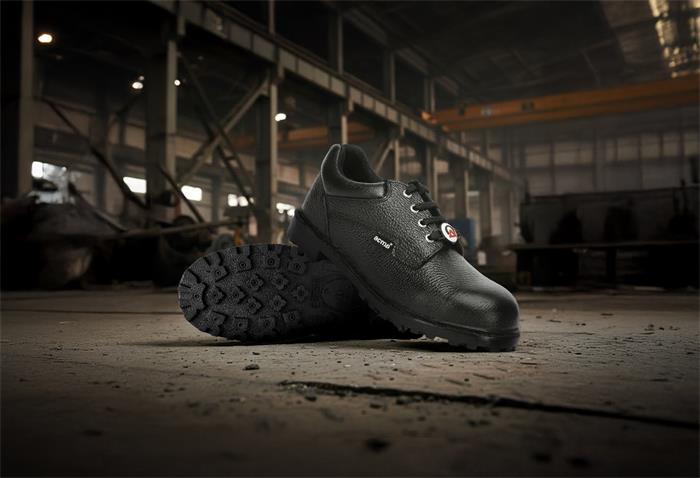

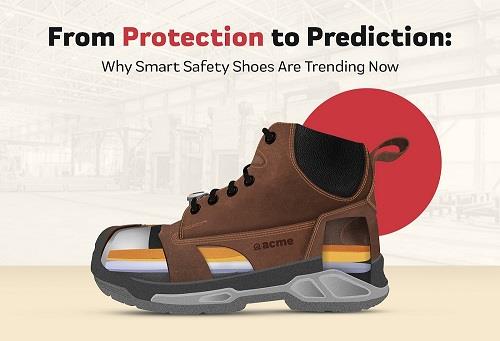

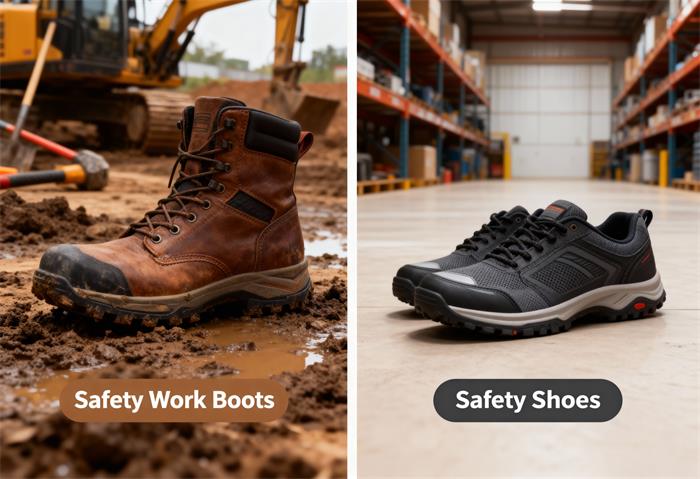
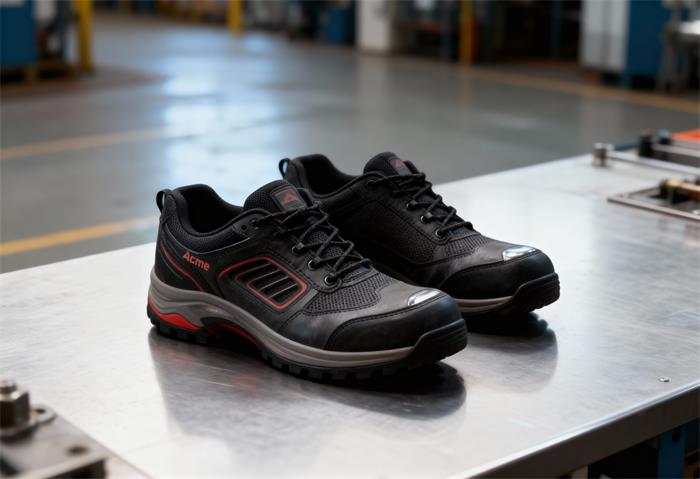
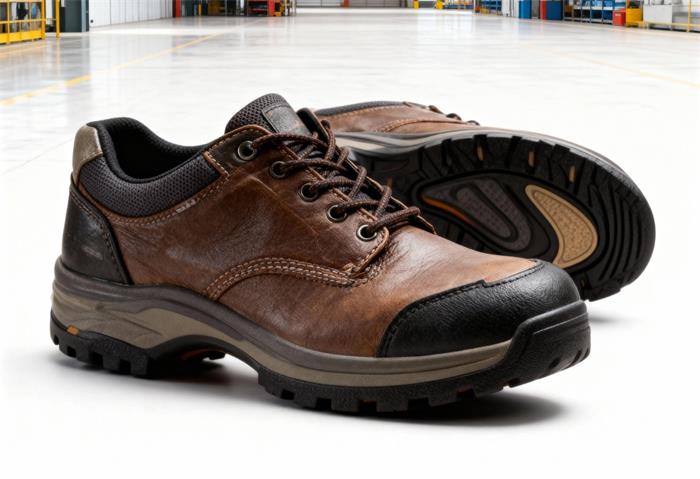






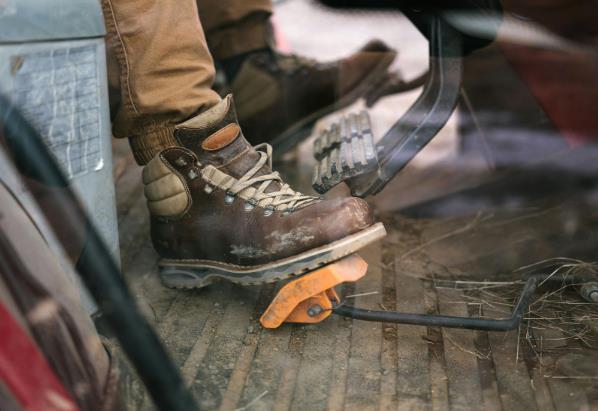
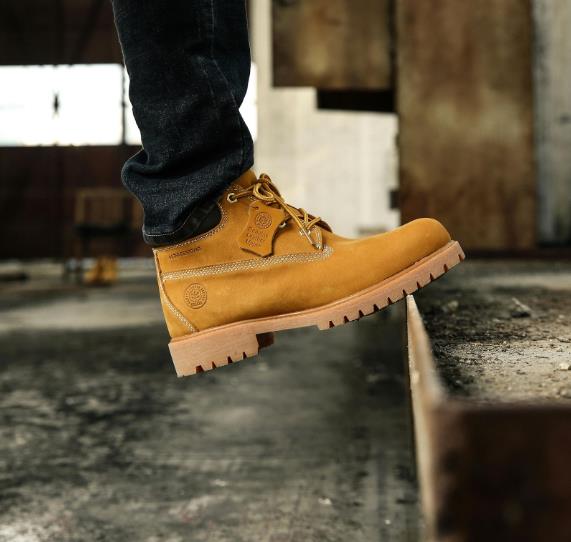

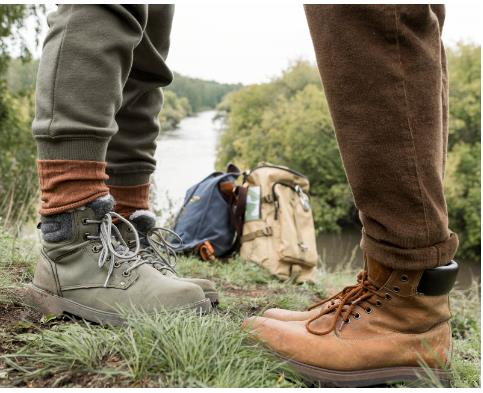

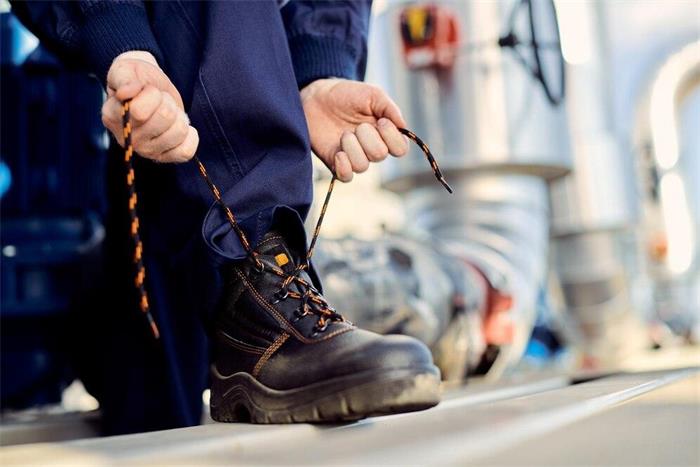
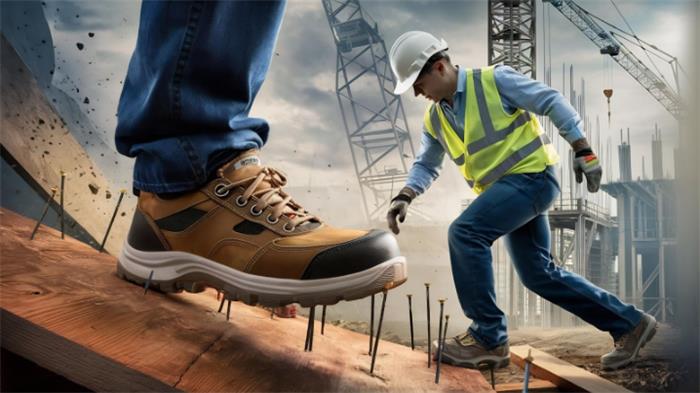
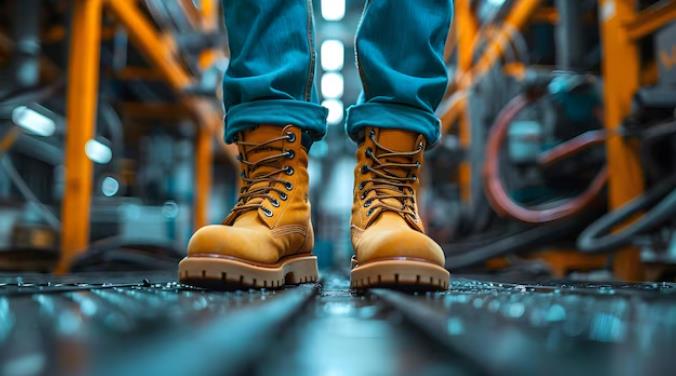


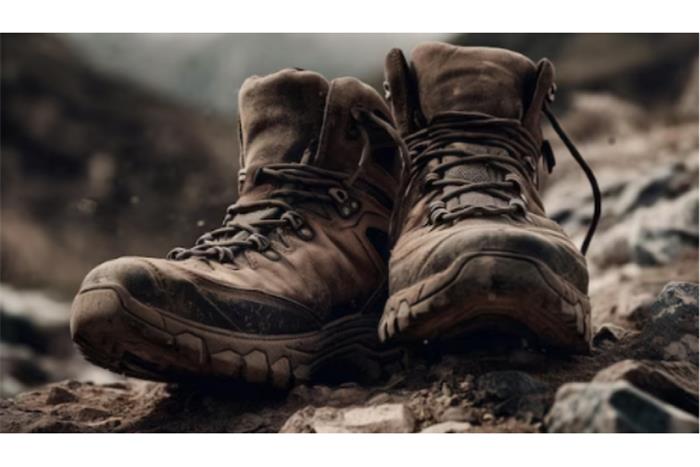
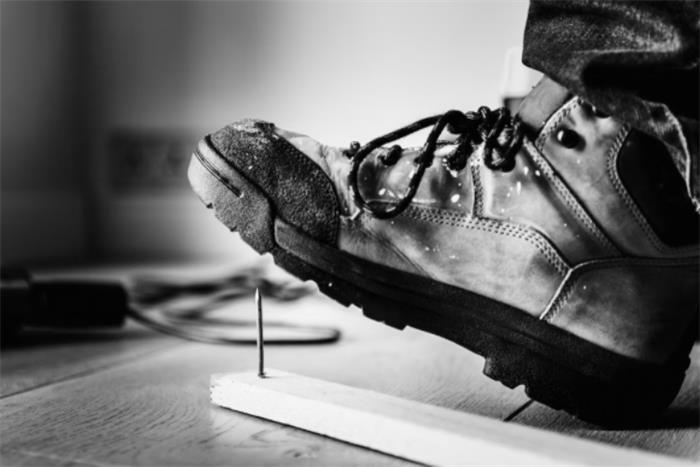
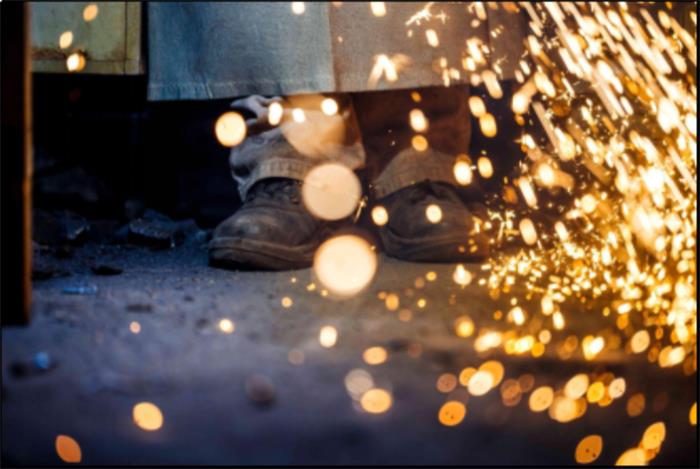
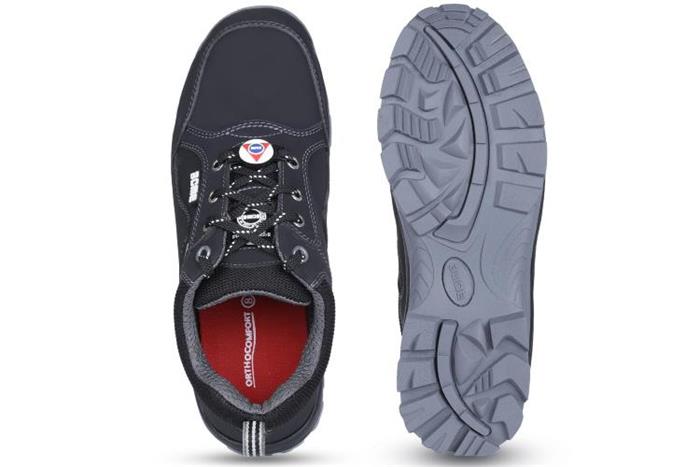
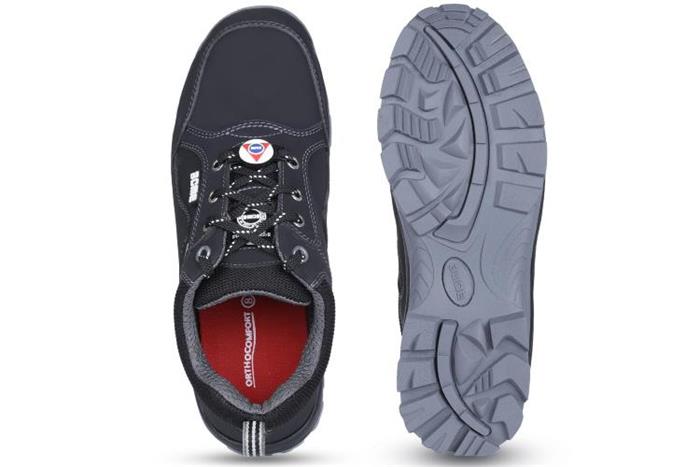
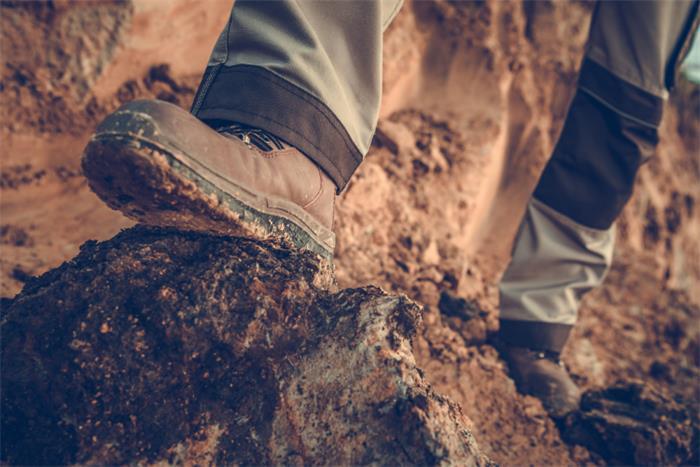
A construction project, a warehouse, and a manufacturing plant pose different hazards to the workers. There is no guarantee that the same safety shoe will provide adequate protection in all those situations. Before purchasing industrial safety shoes, buyers should understand what features they need and how to assess the specification of any model.
Key Features in Industrial Safety Shoes
The features worth evaluating are:
- Impact resistance: A protective toe cap with a documented impact rating.
- Good traction: An outsole tested for slip resistance under certain conditions.
- Proper resistance: Suitable protection from heat, oils, fuels, or chemicals, depending on the workplace.
- Wearability: A proper fit and comfort for the job.
- Documented performance: Applicable certification and technical specification according to workplace risk assessment.
1. Toe Cap for Protection from Impact Risks
Industrial work involves different types of hazards and risks. Falling components, tools, and materials can cause impact and compression, and that is why a toe cap is an essential part of any industrial safety shoe.
When evaluating safety shoes, check what type of toe cap they have and the documented impact resistance. There are both steel and composite models, and you need to choose what type suits your needs better.
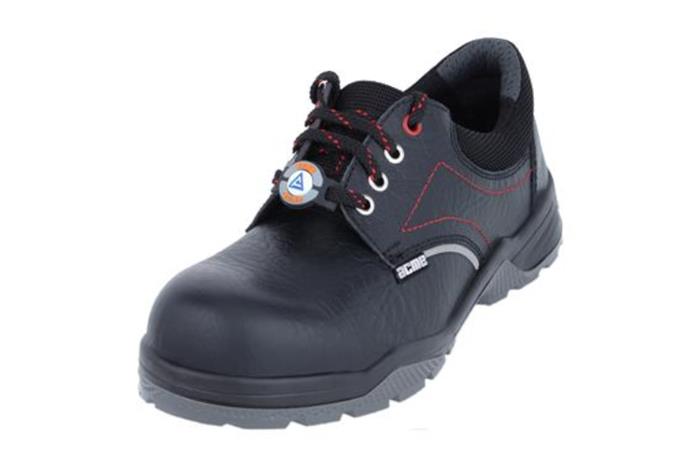
ACME Model for Consideration: TRITON V1
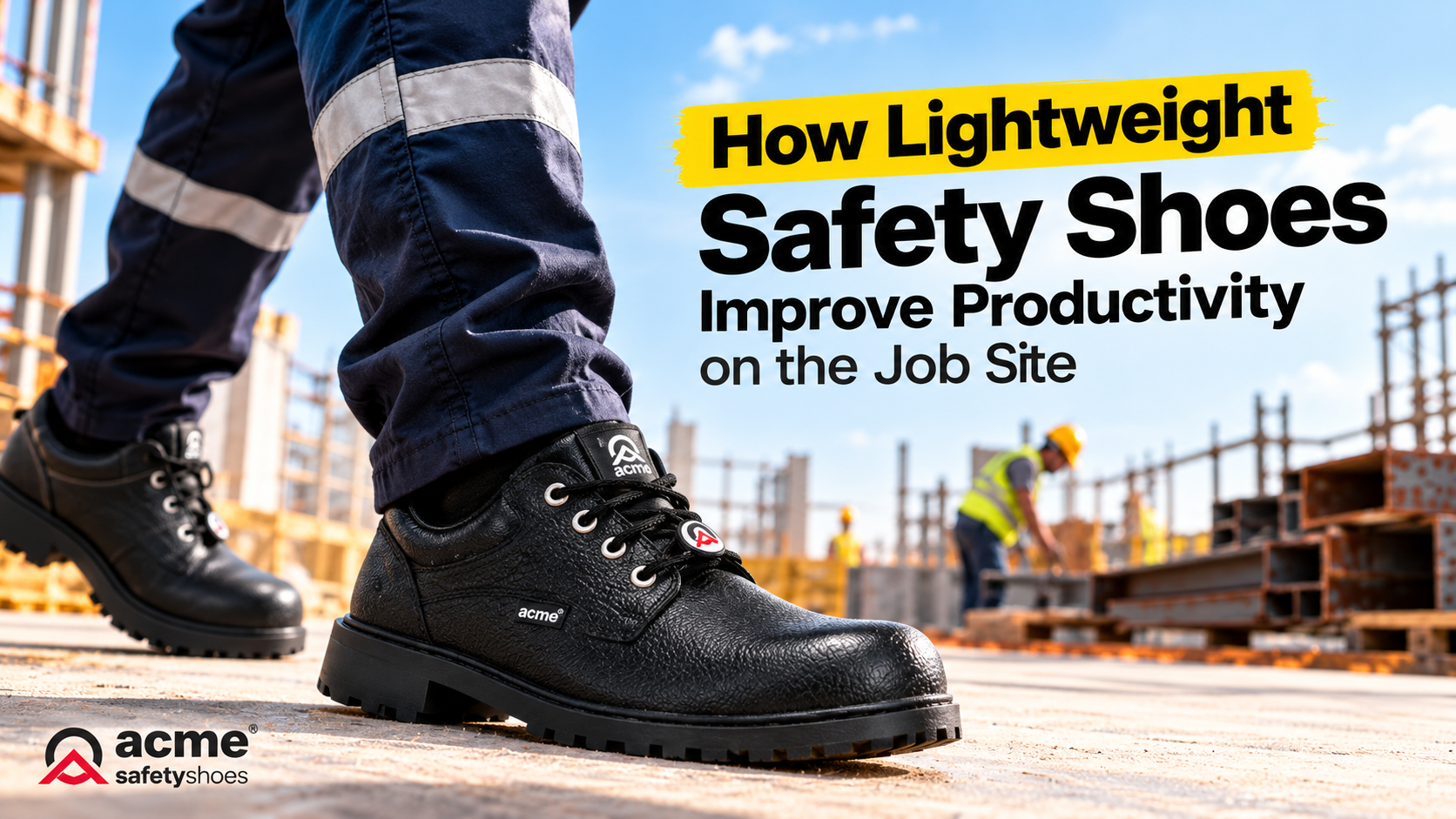
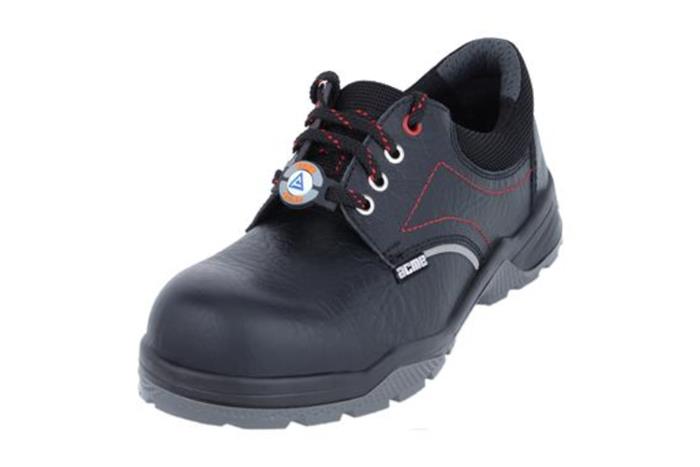
TRITON V1 has a steel toe cap that has an impact resistance of 200 joules. It has a waterproof upper, an antistatic sole, and a reflective strip. Considering the combination of its features, this model can be considered suitable for demanding environments like construction, manufacturing, and metals and mining depending on the workplace needs.
2. Outsole Grip for Workplace Surfaces
Footwear outsoles play an important role in maintaining grip on the surface. Dust, water, oil, and other contaminants can change the grip, hence the need to choose the right footwear depending on the working conditions.
Check the slip-resistance rating of the shoe, the surfaces involved and the need for resistance to oil or fuel. Even with a tested slip-resistant outsole, there is no guarantee that all risks will be covered, especially when the surfaces are contaminated or poorly maintained.
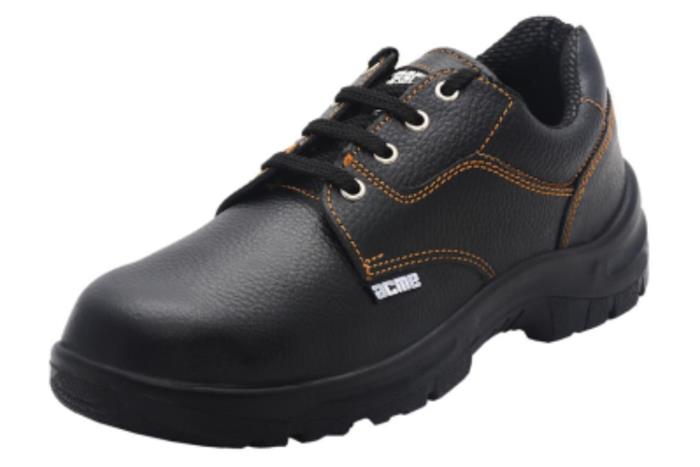
ACME model for consideration: ORION V1
This ACME model has a lightweight, breathable, and flexible construction. It is classified as IS 15298 (Part 2):2024 with an S2 FO SR rating. Buyers should make sure that the model specification has properties which meet the workplace needs.
3. Protection Against Heat and Industrial Substances
Protection against heat and exposure to industrial substances requires a more specific approach to the selection of the appropriate footwear. The shoe, which is designed for general factory use, is not necessarily designed to protect against heat or chemicals.
Determine:
- The heat level and duration of potential exposure.
- The oils, fuels, or chemicals which will be present.
- Whether the outsole and upper can provide adequate protection against these substances.
- Additional protective equipment required for the task.
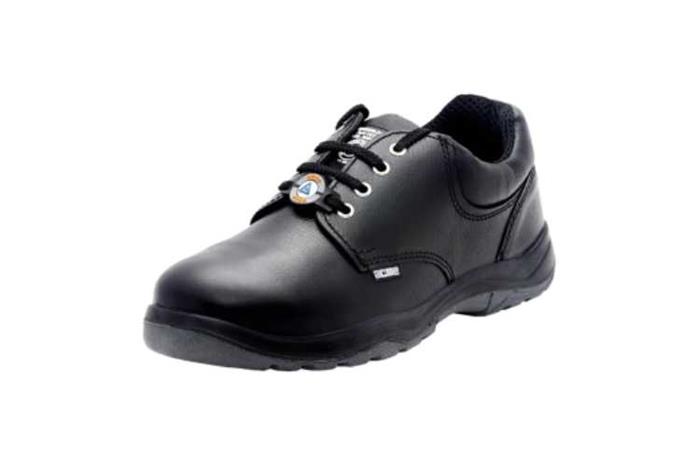
ACME model to consider: COPPER CHIMNEY V4
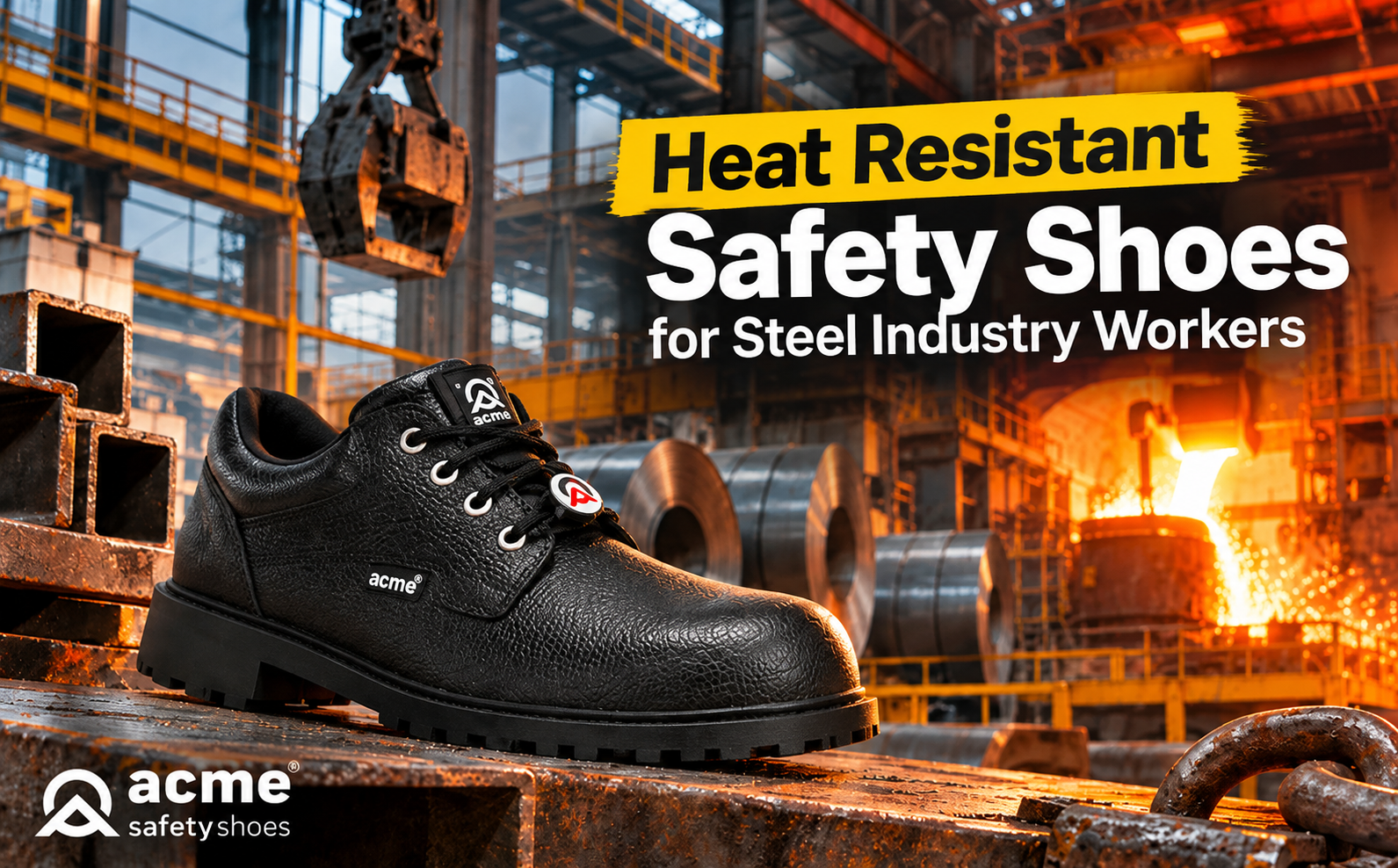
COPPER CHIMNEY V4 is fitted with the nitrile rubber outsole that is specified for heat resistance up to 300°C for one minute. Other characteristics of this model are:
- Steel toe cap with impact resistance of 200 joules
- Outsole classed SR (slip resistant)
- Resistance to oil, chemicals, and fuel
The heat resistance specification refers to the specified test conditions, but not to protection against unlimited temperature exposure. Clarify the technical details of the shoe before using it in presence of molten materials or other high heat sources.
4. Comfort Features for Working Long Hours
If workers will be working long hours on feet, walking, standing or moving about from station to station, then they need footwear that fits and supports the worker in regular movement.
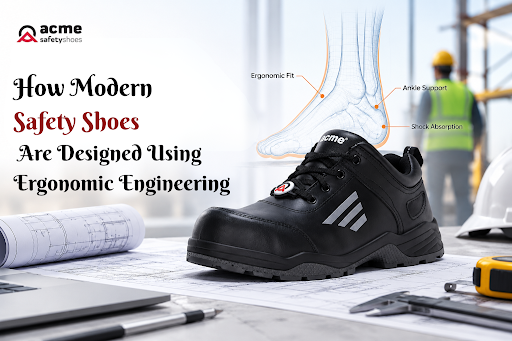
Avoid looking only at the external features of the shoe and check out the lining, footbed, construction, available sizing and other factors. Breathable material might help in moisture management while cushioning might help in comfort underfoot.
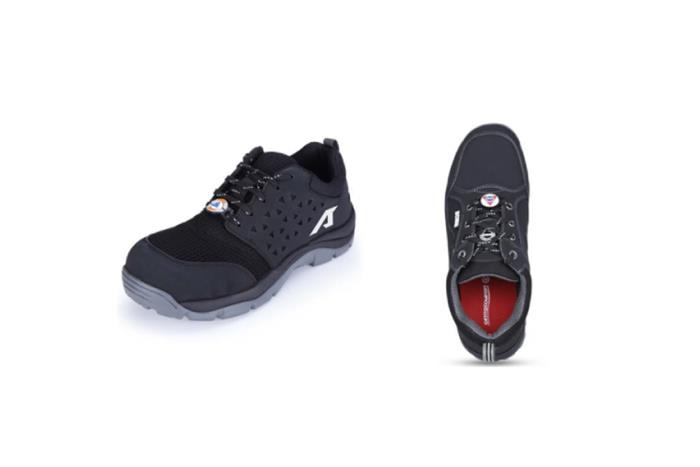
ACME model to look at: ACROBAT V2
ACROBAT V2 has a breathable lining along with the cushioned Ergocare footbed. It has the water-repellent microfiber upper and double density Phylon-rubber sole that give it additional features. It is a model that has a composite toe cap and is classified as S2 FO SR HRO under IS 15298 (Part 2):2024.
5. Certification and Electrical Protection Claims
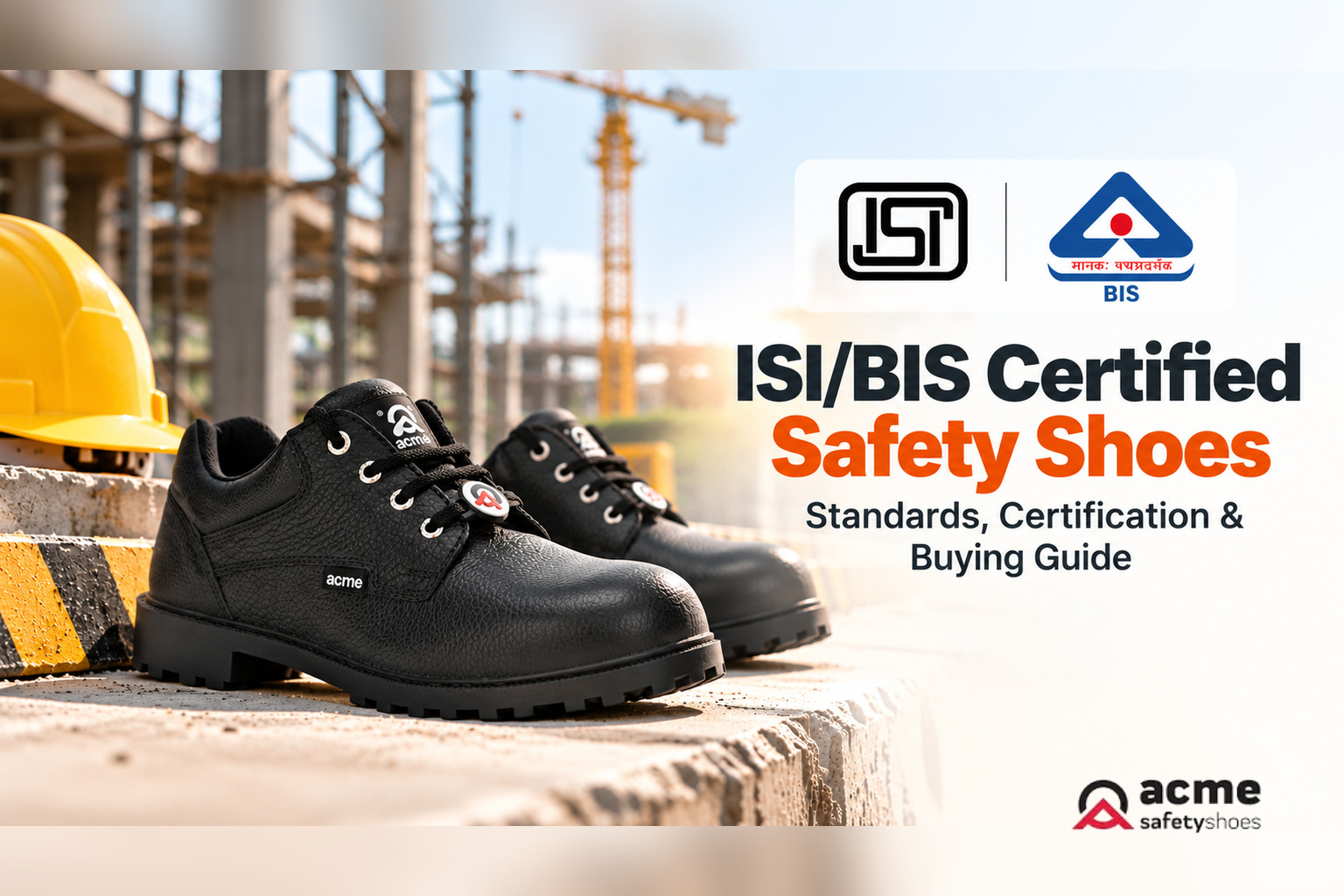
Product claims have to be verified by checking out the technical specification of the shoe, not by its name or its appearance. The buyers should verify the relevant Indian standard, the classification of the model in question and whether it meets the hazards highlighted by the safety team of the workplace.
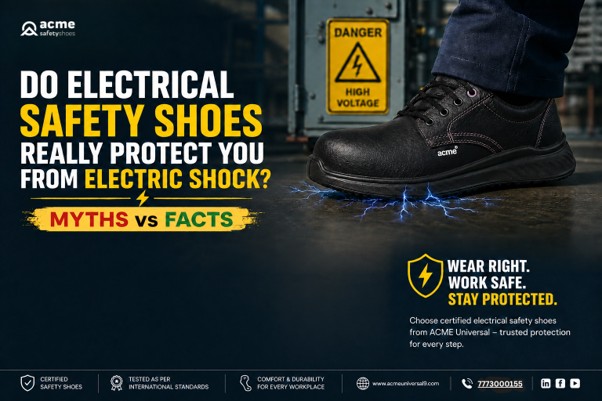
Electrical protection claims deserve additional caution. Both antistatic and electrostatic dissipation are aimed at managing static charge. They don’t imply that a shoe is safe from electrical shock. Electrical protection requires shoes that were tested and evaluated for such purposes.
ACME model for consideration: NEUTRON V4
According to ACME catalogue, NEUTRON V4 model features a composite toe cap that boasts an impact-resistance rating of 200 joules. Moreover, it is described as having SR slip resistance, oil, chemicals and fuel resistance, as well as sole certified for shock protection up to 22 kV for one minute. This model has SB FO SR classification and is described in IS 15298 (Part 2):2024.
As electrical protection claims depend greatly on the application, you are encouraged to request the latest technical documentation and consult a workplace safety professional.
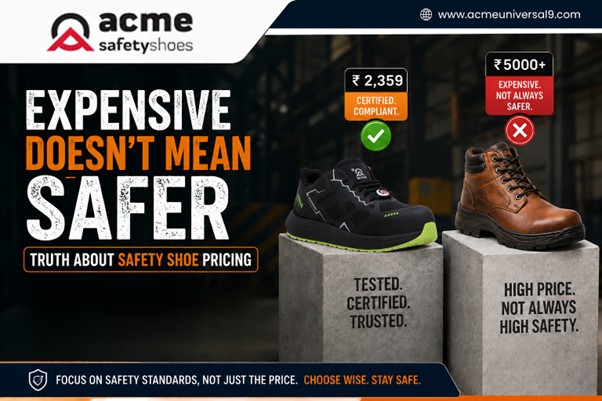
How Should You Compare Safety Shoe Price and Performance?
Price doesn’t necessarily indicate that the shoe will be appropriate for your task. For effective comparison, consider:
- The protective features needed for the task
- Declared ratings and certification
- The materials and properties required in the working environment
- Fit and comfort as well as wearing conditions
- The latest product documentation of the manufacturer
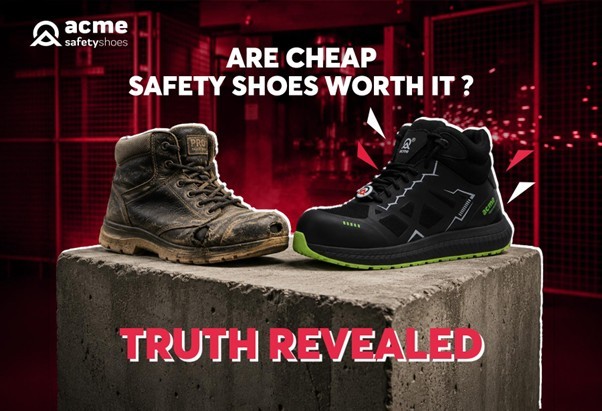
The cheaper pair may not have an important property, while the expensive pair may possess properties which are not essential for the job. Make a comparison based on equivalent specifications before deciding.
Questions to Ask Prior to Selecting Industrial Shoes
No, as construction, manufacturing, warehousing, and electrical industries may have different types of risks. Choose industrial shoes according to risks, surfaces and conditions for the particular job.
This shows the specification of the toe cap impact resistance rating. However, buyers should verify whether the correct standards, classifications and suitability of the total shoe for the particular workplace is applied.
The buyers should consider COPPER CHIMNEY V4 and other ACME industrial shoes having heat-resistant properties. Selection will depend on test conditions of the heat resistant properties as well as on the actual exposure level.
The model characteristics, certificates, sizes, work appropriateness, and consistency of the product according to the technical documentation approved must be verified. It is also necessary for procurement teams to consider whether the price of the safety shoe meets the required features.
