




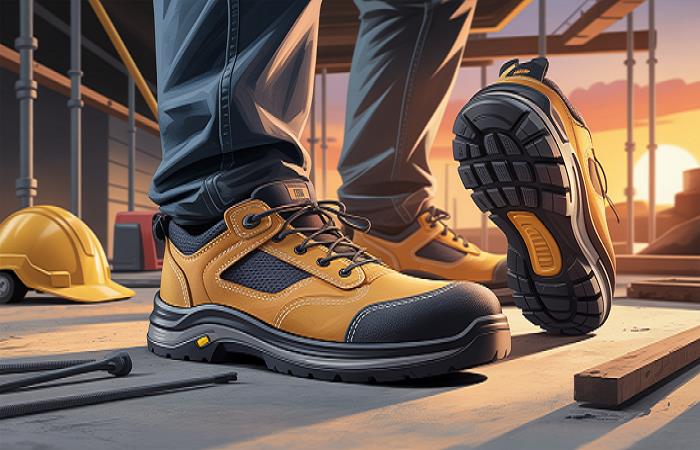





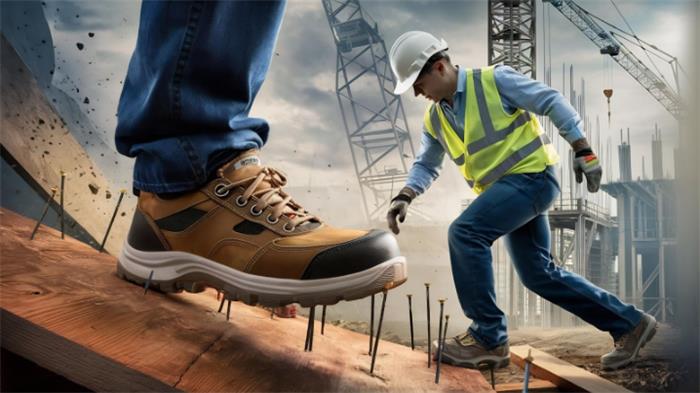

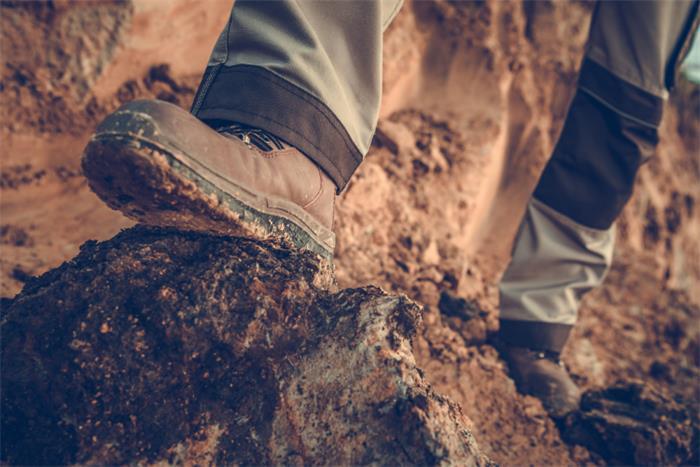
Employing safety shoes comes with advantages and challenges in equal measure. The jobs that include potential threats from falling objects, slippy surfaces, sharp materials, etc require proper footwear. But with a variety of options in terms of price, choosing the proper shoes is not an easy task.
Let us go through the essential types of safety shoes and their prices.
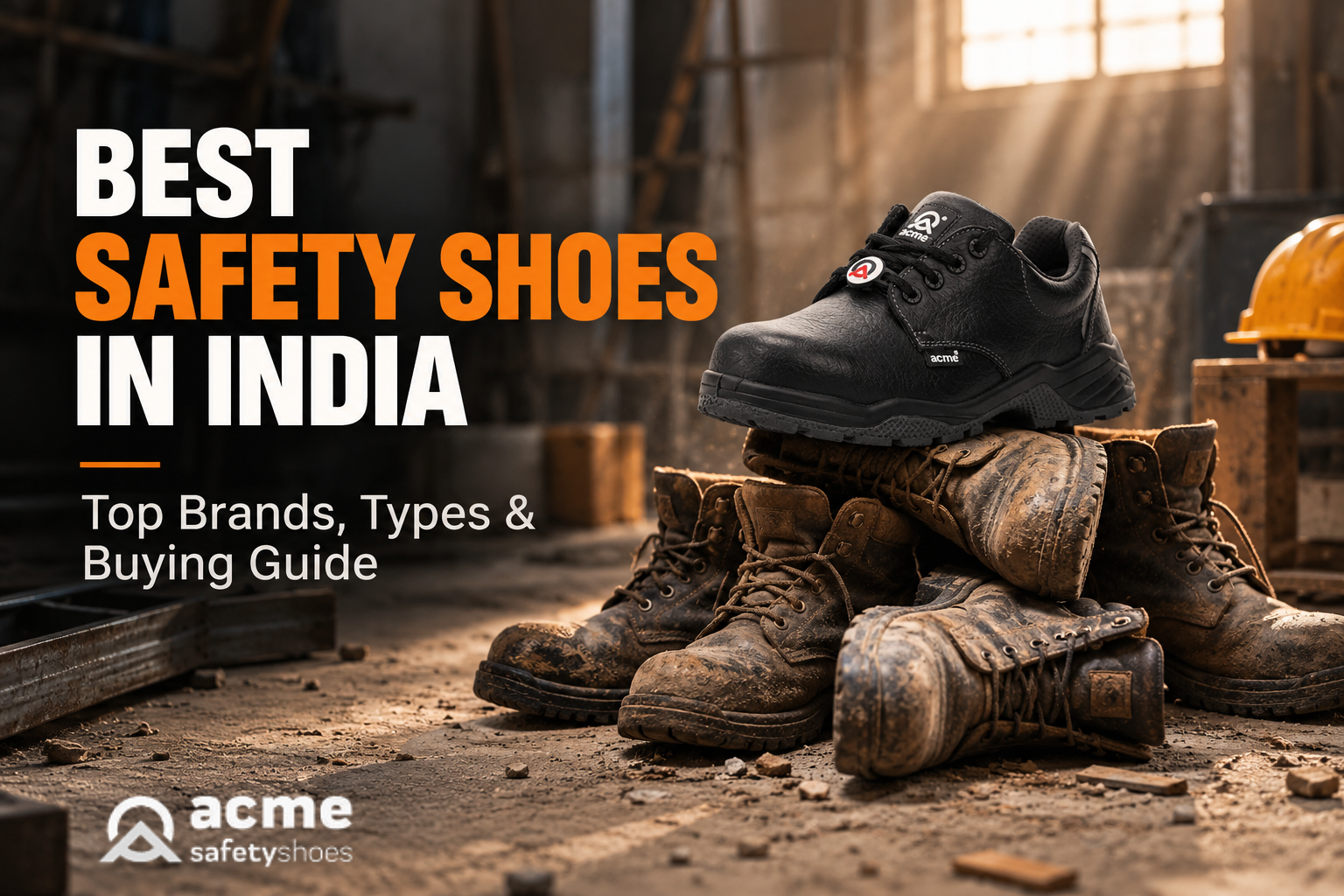
The Leading Brands in Safety Shoes in India
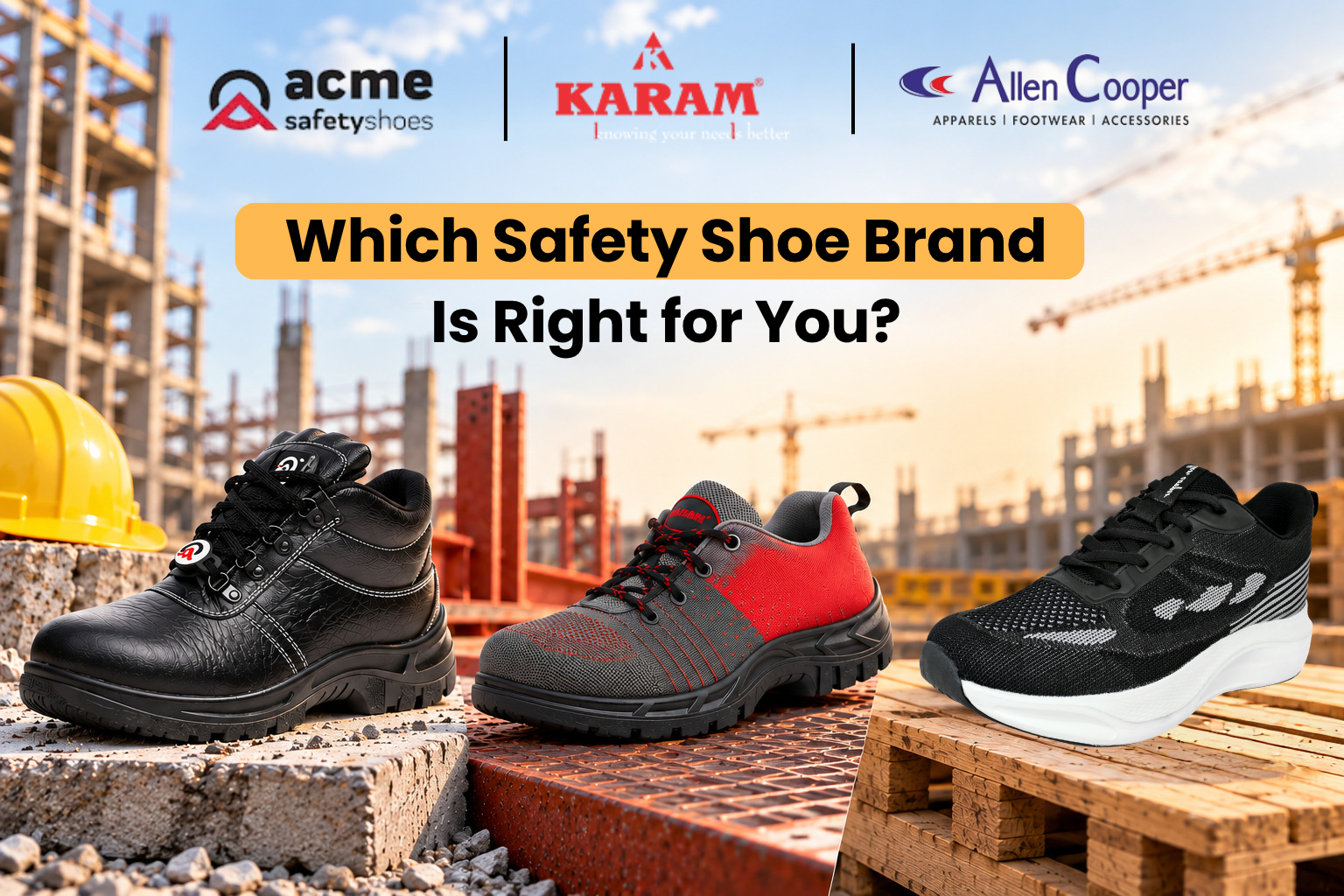
There are many companies producing safety shoes. The choice of a brand will depend on the type of hazards and requirements of different companies.
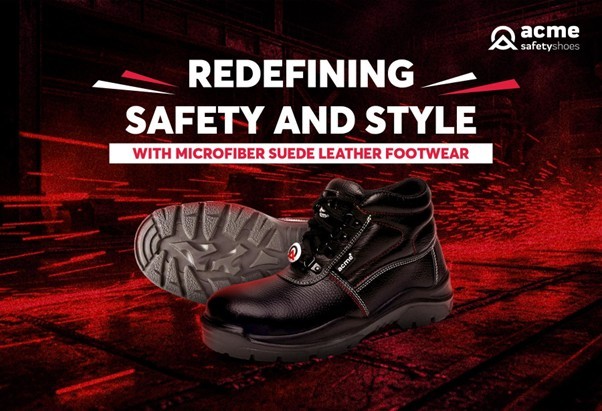
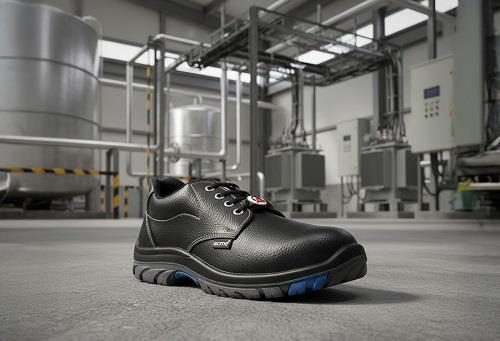
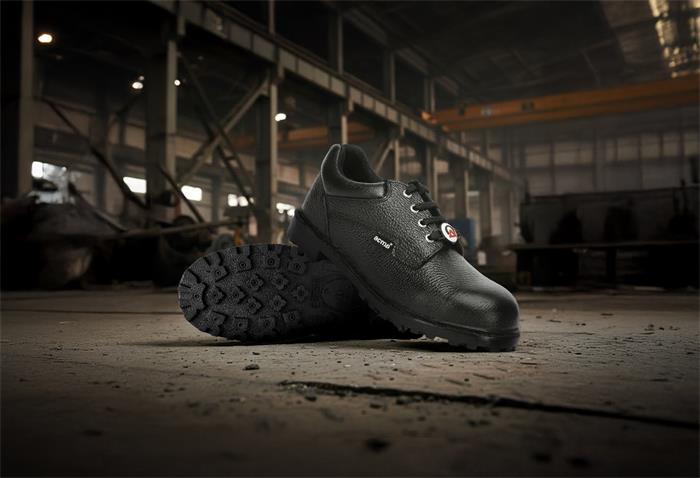
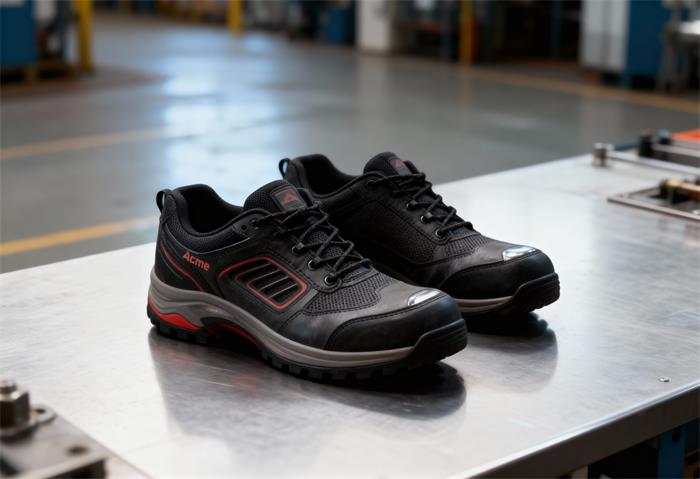
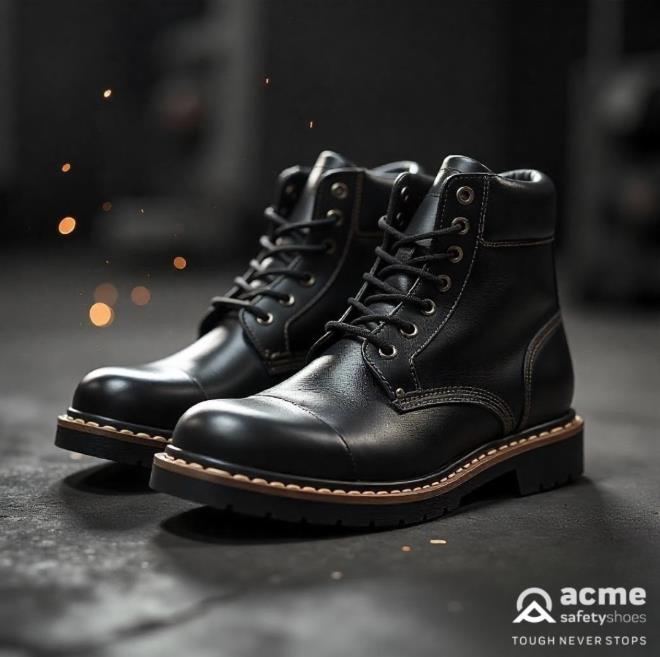
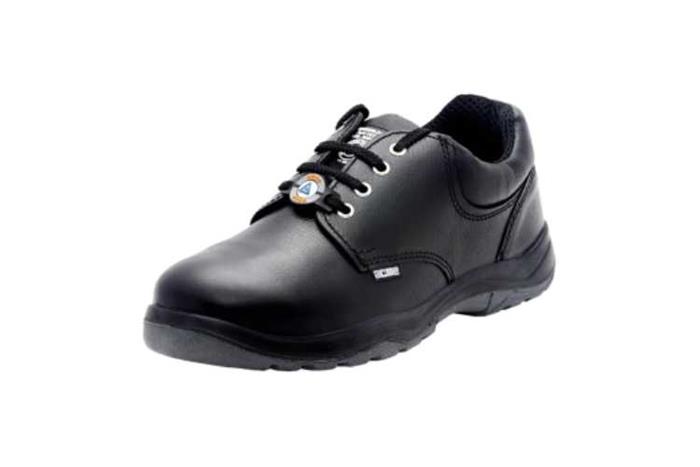
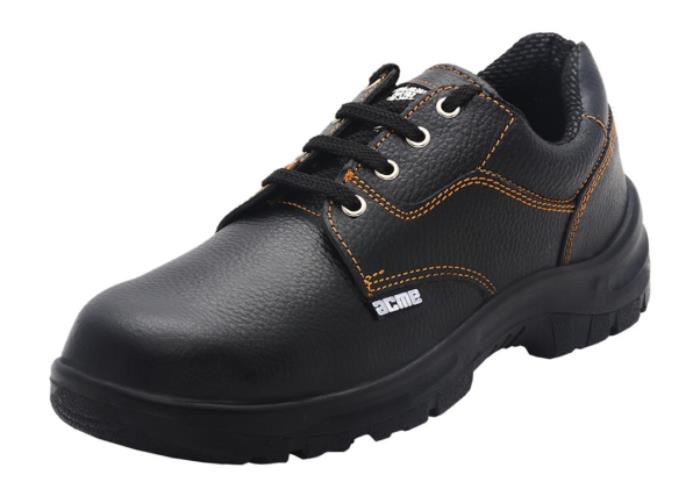
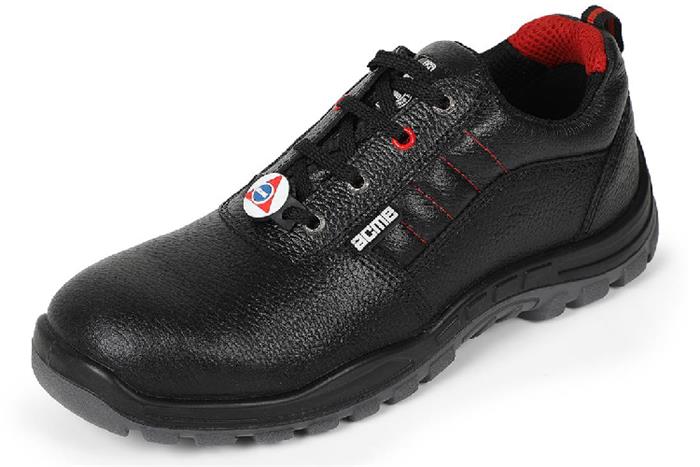
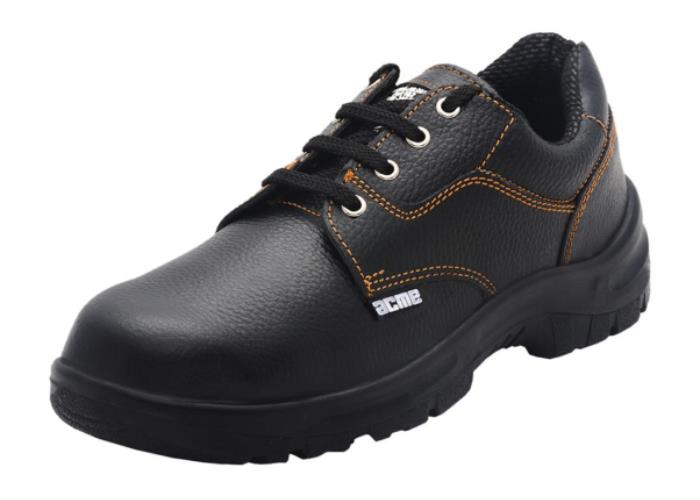
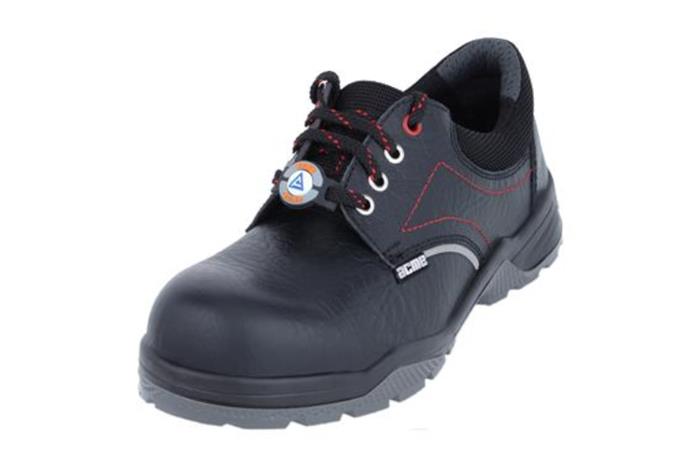
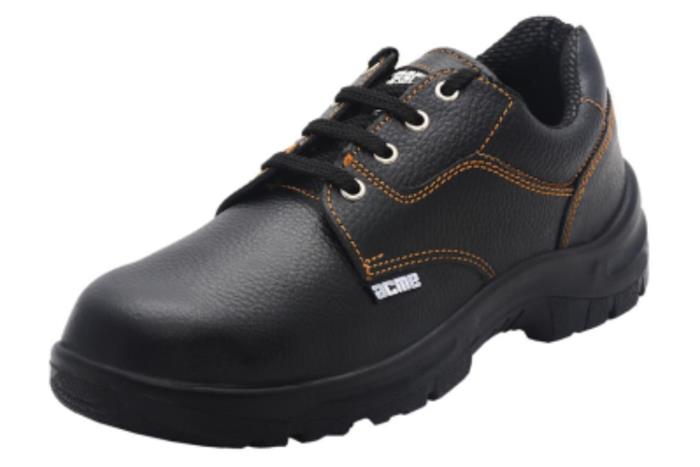
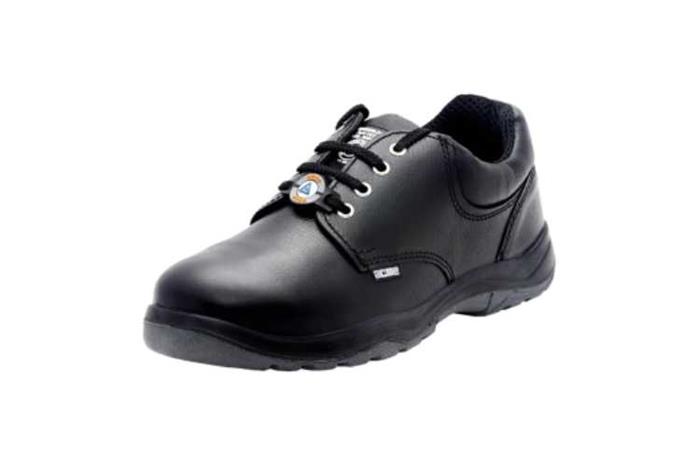
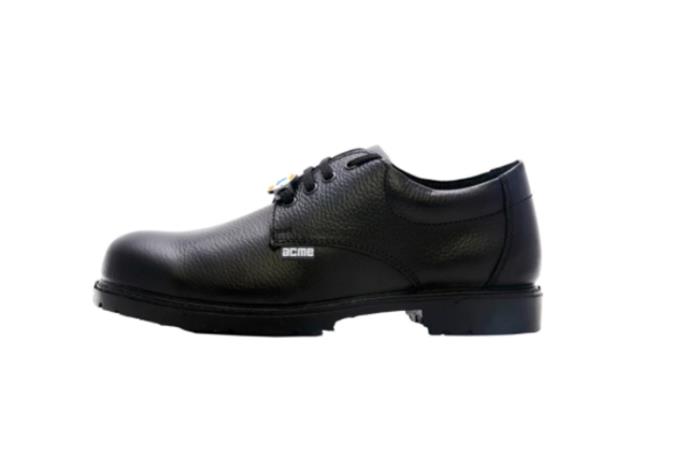
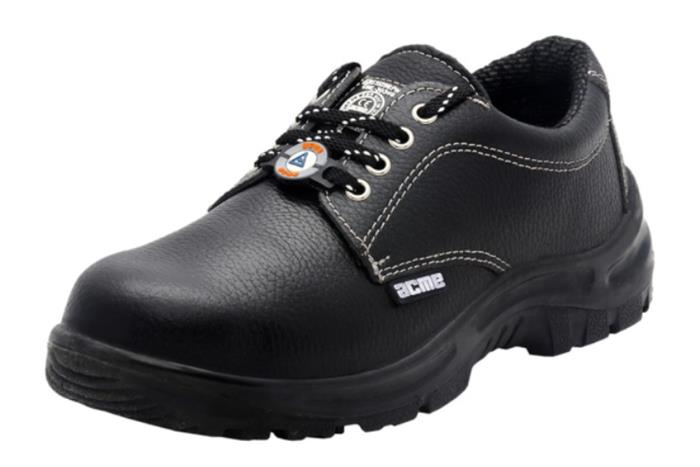
ACME Safety shoes: Making products specially designed for different industries, including construction and manufacturing, cement and chemicals, automobile buildings, metal and mining, petroleum buildings, and others.
Allen Cooper: One of the brands to consider while looking for footwear with protective properties.
Bata Industrials: Making footwear for both professionals and industries.
Hillson: Can be considered as a safety shoe brand for industrial purposes.
Types of Safety Shoes
Different workplaces require different levels of safety shoes. Below are the major varieties you should keep in mind.
1. Steel-Toe Safety Shoes
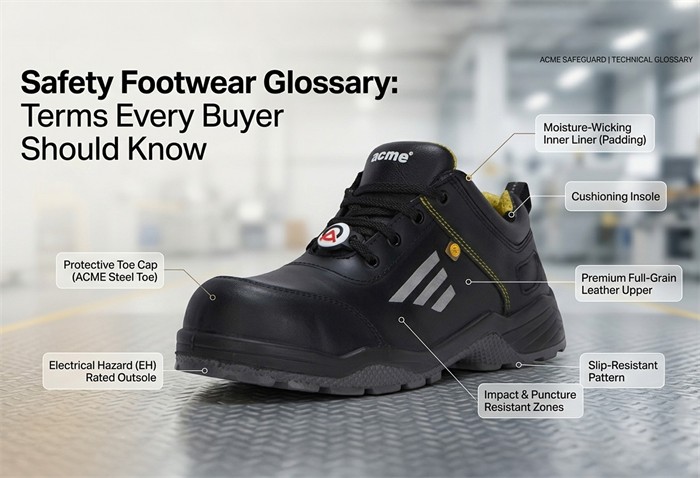
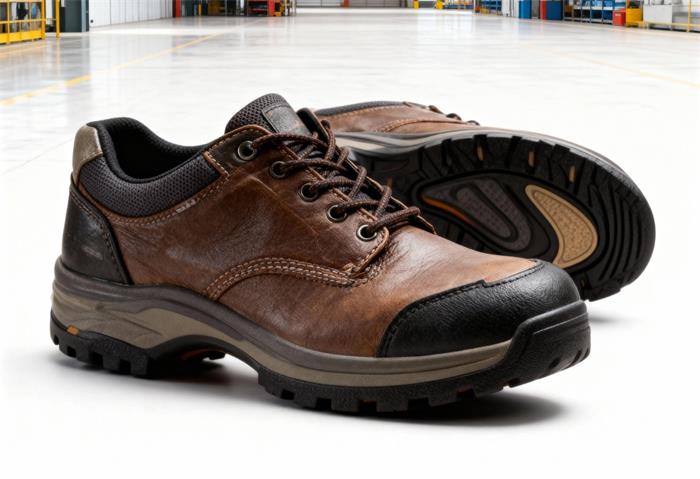
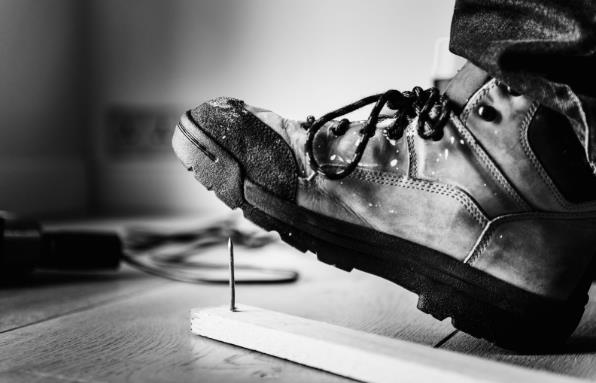
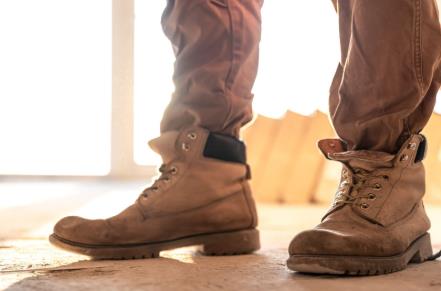
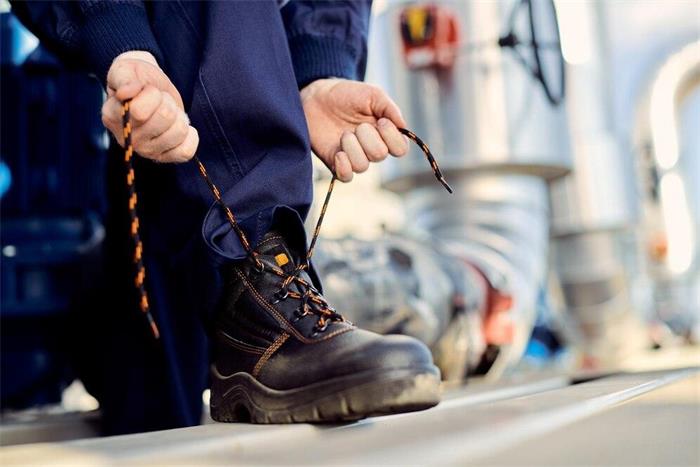
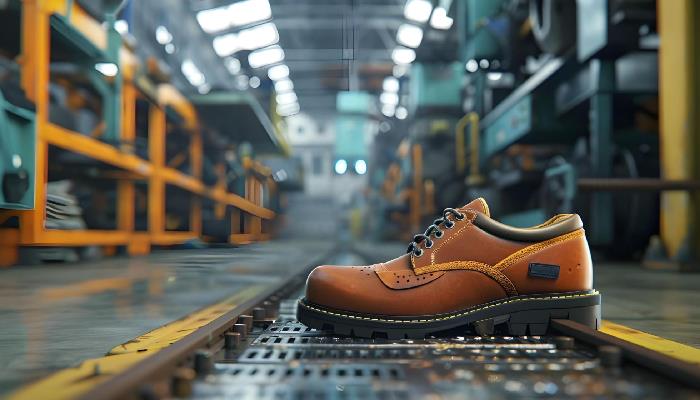
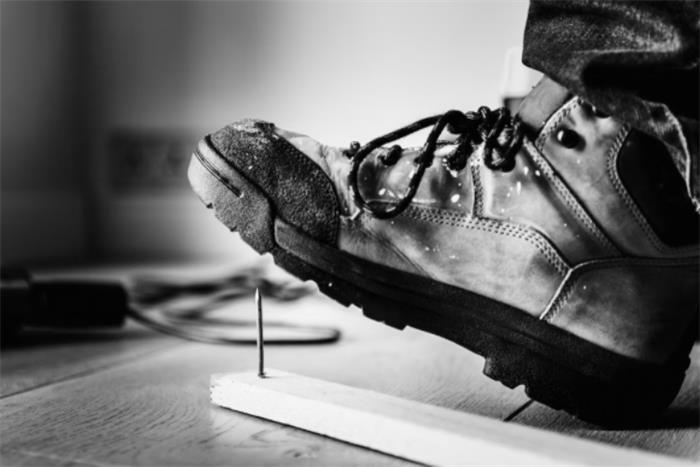
Steel-toe safety shoes are those boots that contain an upper steel toe cap. These shoes provide safety against the impact and compressive force. Usually, these shoes are recommended for workers on construction sites, manufacturing plants, and engineering establishments.
2. Composite-Toe Safety Shoes
Composite-toe safety shoes are the ones that have composite toe caps made of non-metallic materials. It is a good idea to use such shoes in those places where metallic footwear is prohibited, provided they meet the necessary standards.
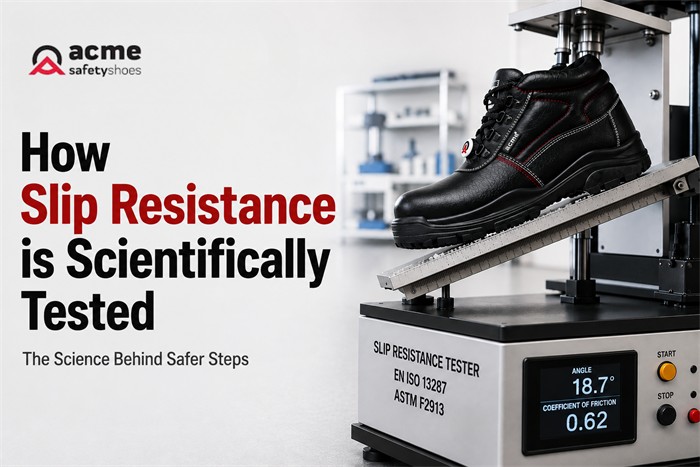
3. Slip-Resistant Safety Shoes
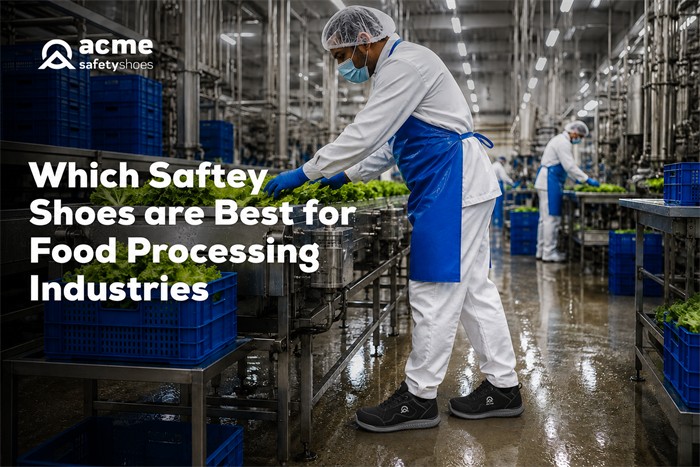
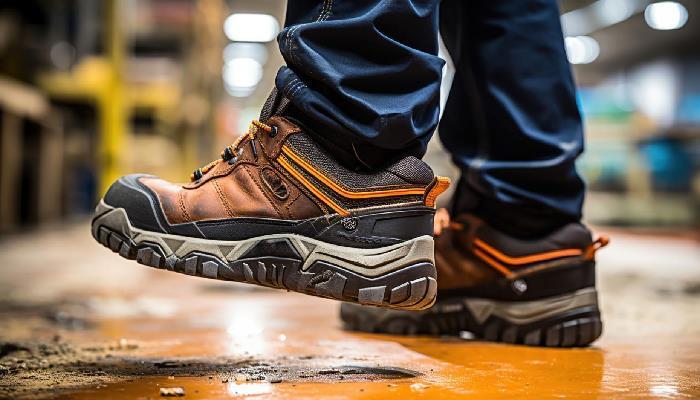
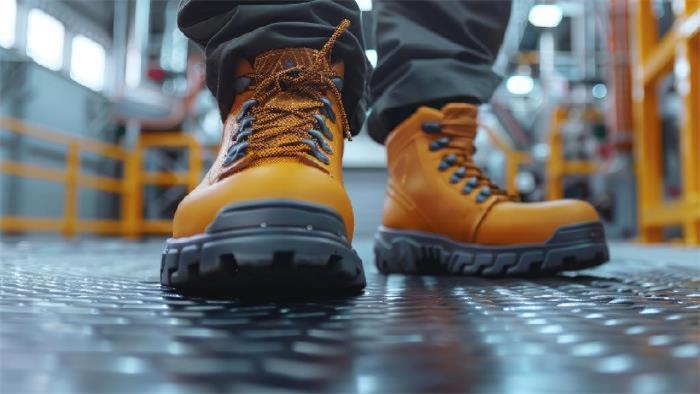
These shoes are manufactured to be useful on certain surfaces. Such shoes can be used in warehouses, factories, and food-processing arenas.
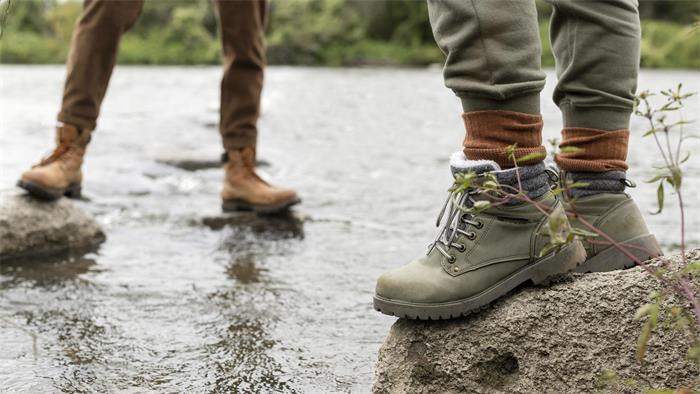
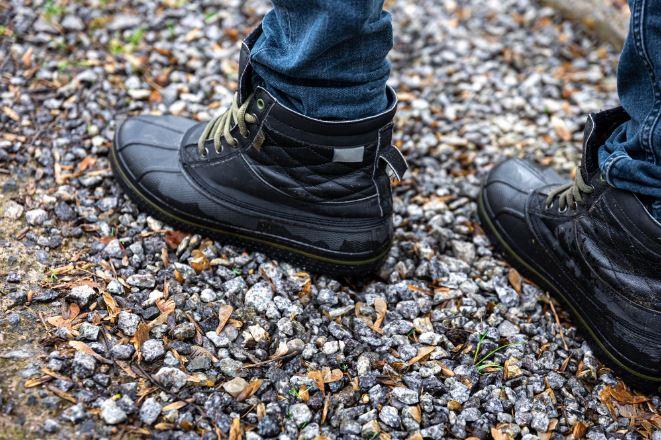
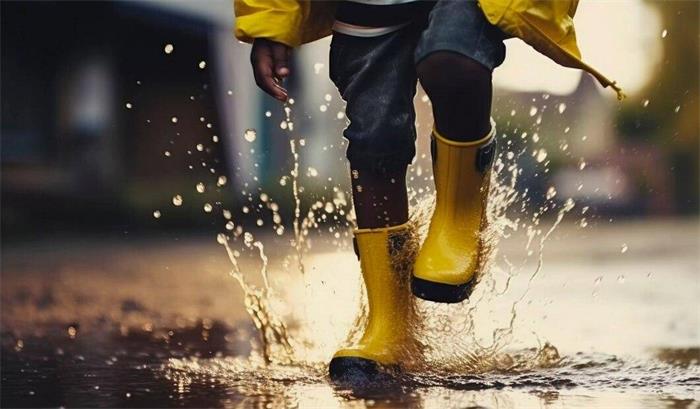
4. Waterproof Safety Shoes
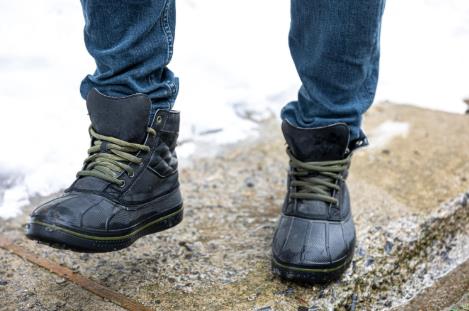
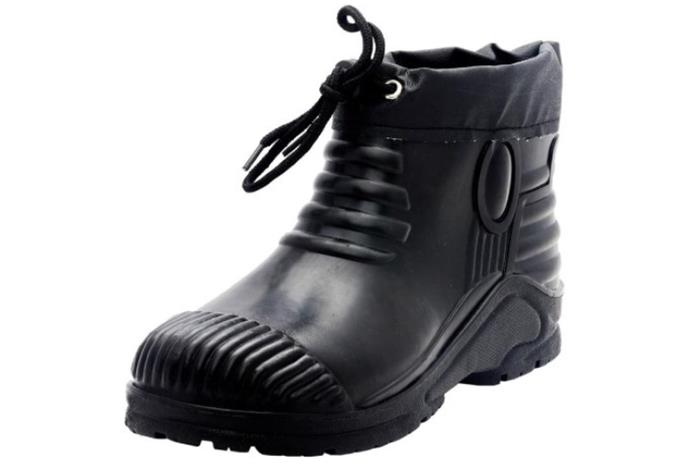
Waterproof footwear is essential in wet working areas and sometimes outdoors. You should ask for the water-resistant properties of the shoe before buying it.
5. Heat-Resistant Safety Shoes
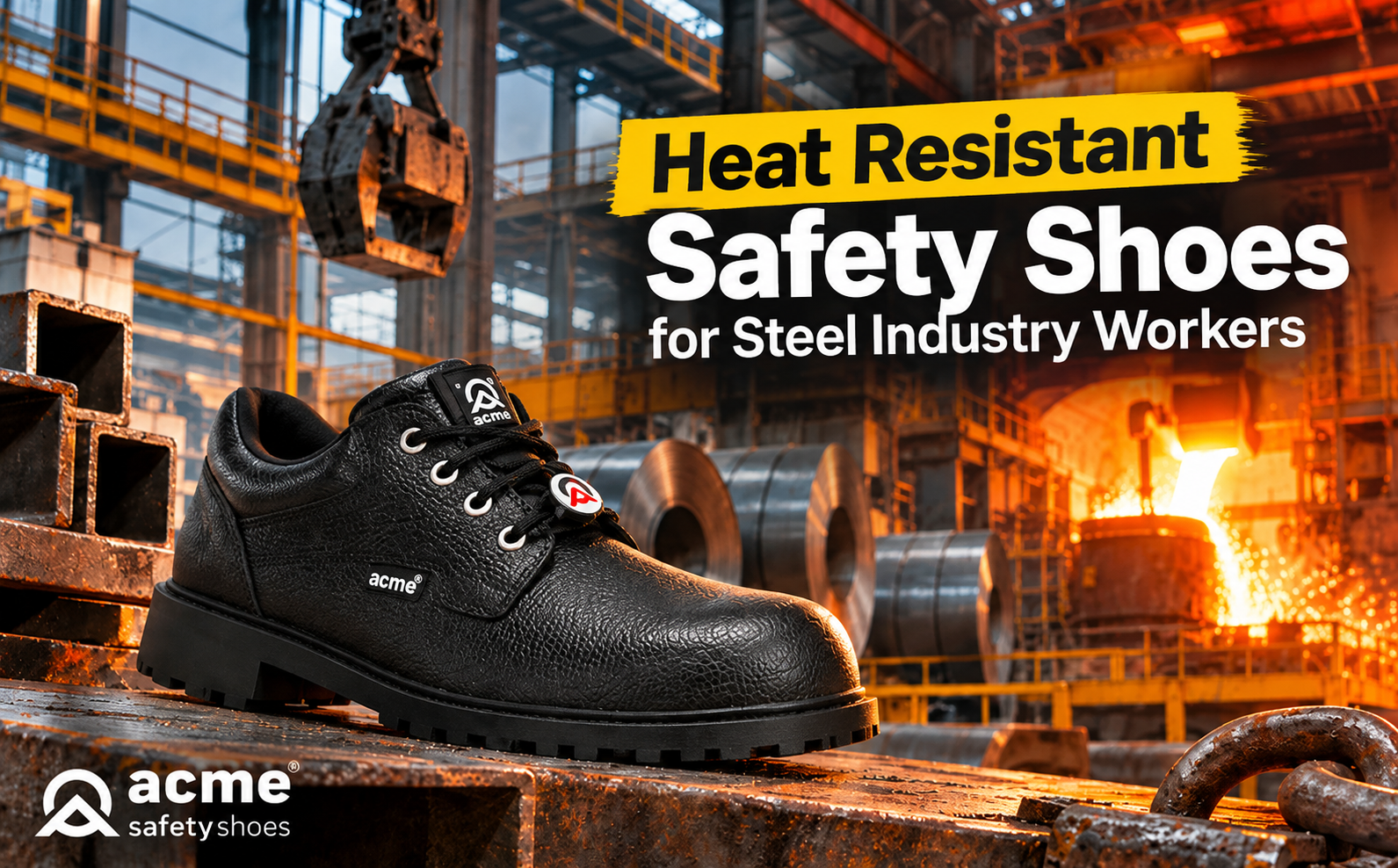
Heat-resistant shoes are designed for specific high-temperature working conditions. The soles of these shoes have been tested for hot contact.
ACME Safety Shoes: Models and Working Sectors
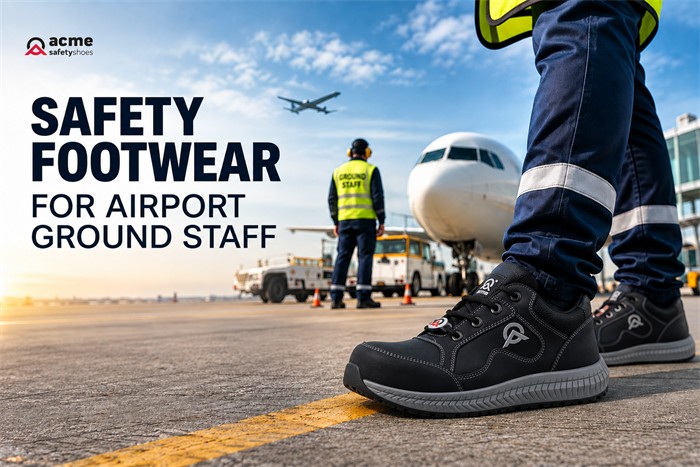
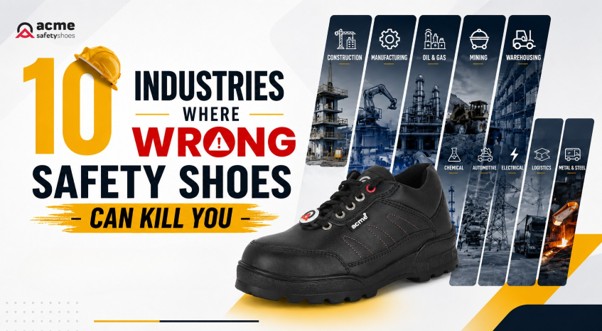
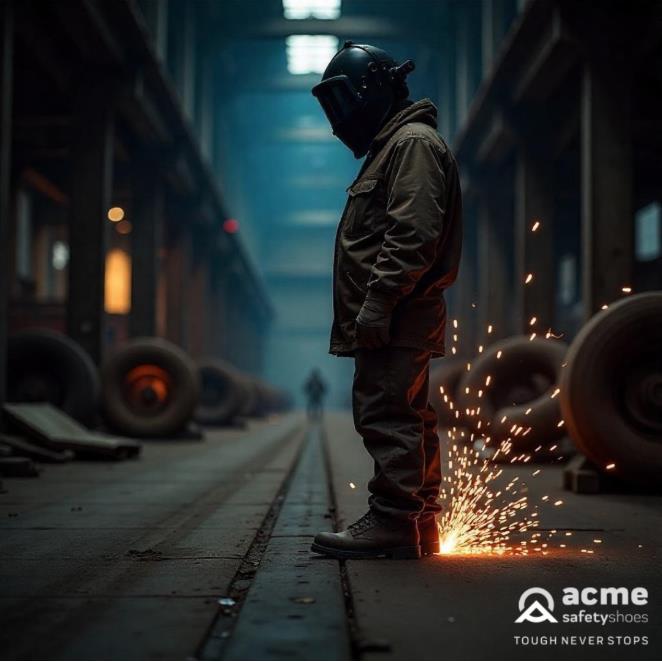
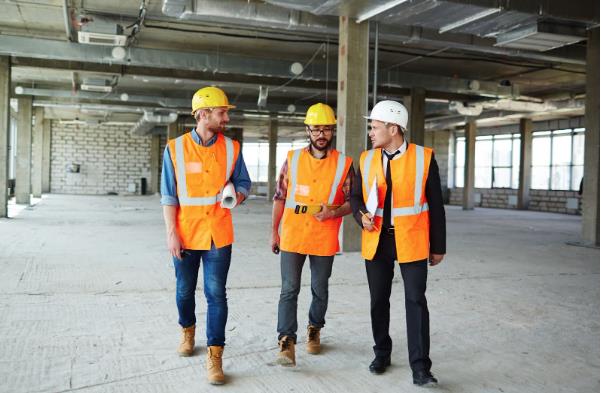
The official website of ACME provides the list of shoes designed for the sectors like aviation, automobiles, cement industry, chemicals and paint business, construction, engineering and manufacturing works, electronic systems, FMCG and food processing businesses, metals and mining sector, petroleum and oil and gas and pharmaceuticals, power sector, service sector and technology sector.
Among the footwear, there are:
ACME Alloy V2
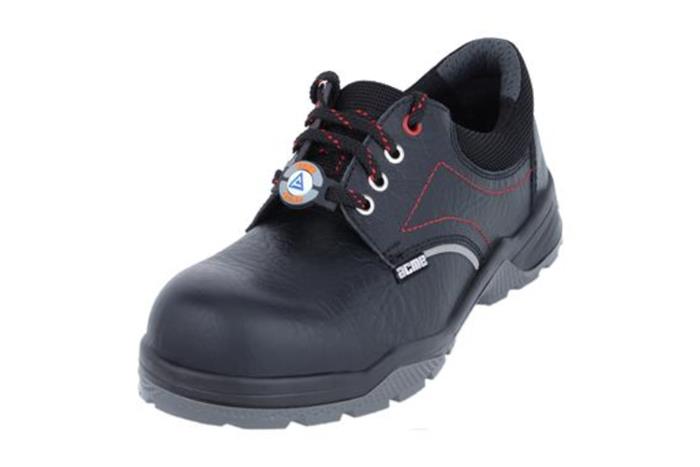
It is equipped with a steel toe cap, which has got 200 joules of impact capacity and single density BASF PU sole, as well as a heel which absorbs energy. This product can be used in the construction sector, cement industry, manufacturing sector and mining sector.
ACME Spurt V2
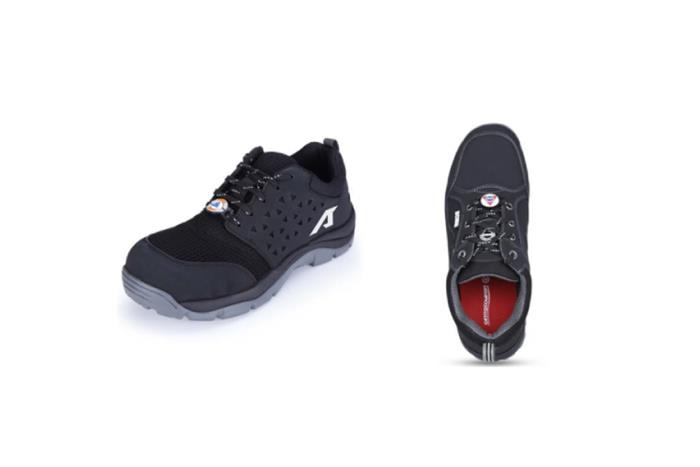
This shoe is fitted with a composite toe cap, which can resist impact of up to 200 joules, double density E-TPU rubber sole and cushioning, which adds more comfort. This safety shoe can be utilized in the spheres of aviation industry, car manufacturing, industrial production and pharmaceuticals.
These two models show that people should select safety shoe based on operational hazards of the particular industry, which is way more important than choosing it just based on visual attributes.
Check the official ACME safety shoe collection to get product specifications and applications in different fields.
How to Select Safety Shoes in India
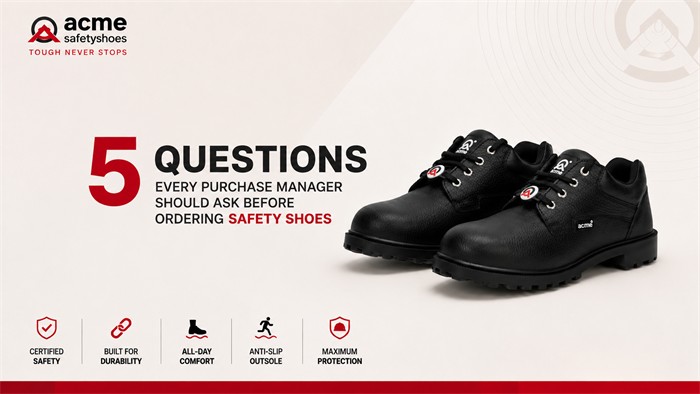
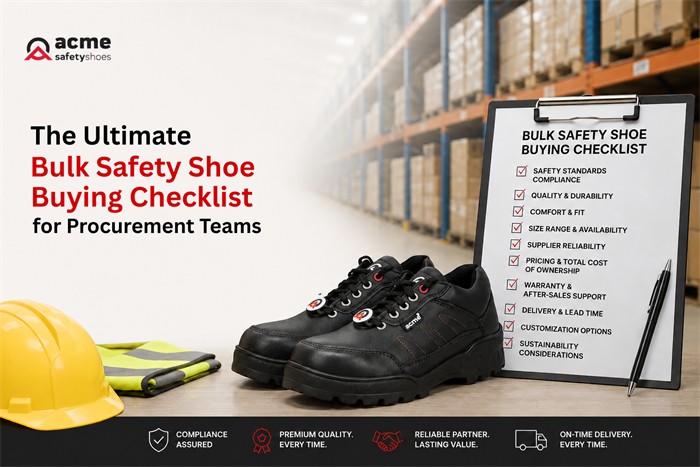
Before you buy, you should take the below factors into account:
- Workplace hazards: Recognize hazards such as falling items, sharp objects, chemical materials, heat and wet surfaces.
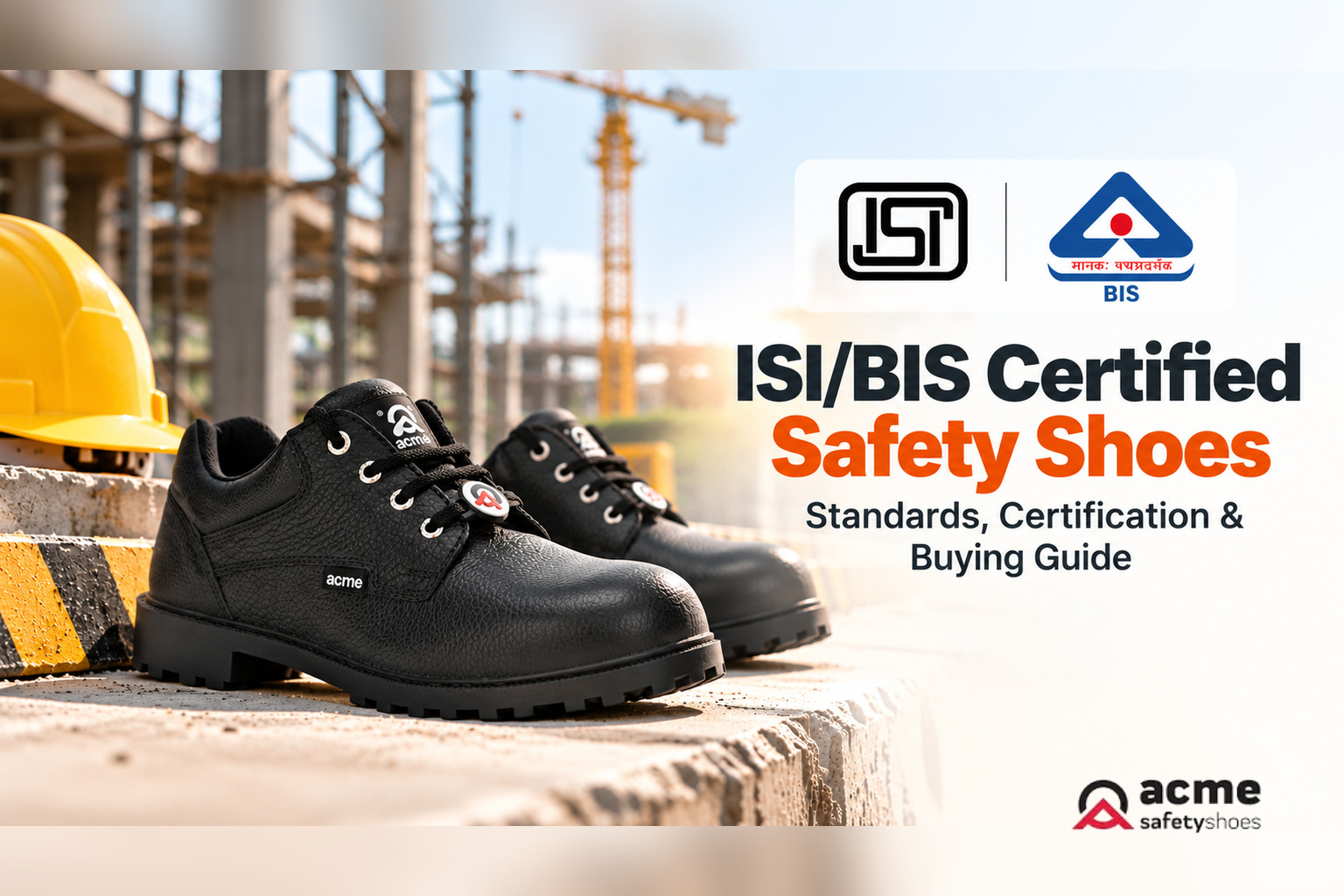
- Certification: Verify the Indian standard, certification and the BIS stamp.
- Toe protection: Select either steel toecaps or composite ones as per the specifications of the job.
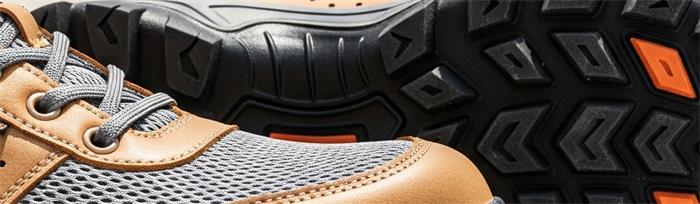
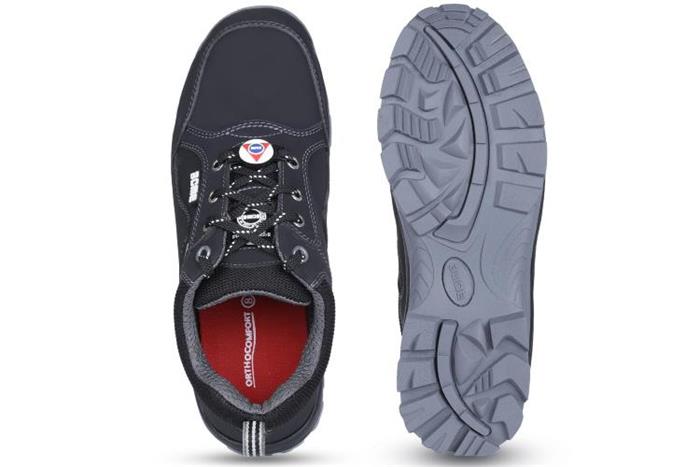
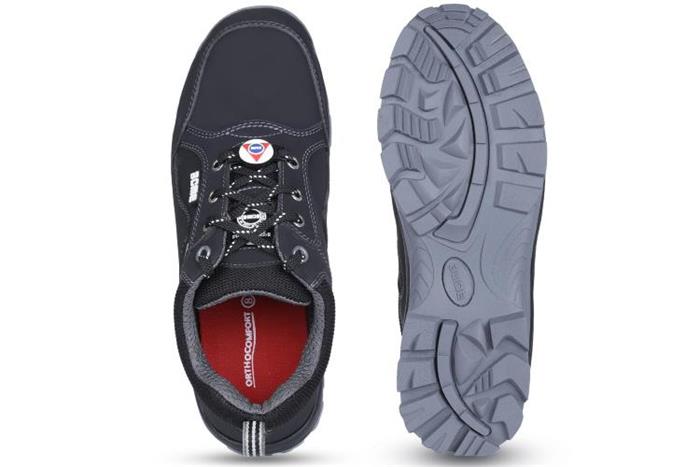
- Sole: Assess grip and durability, oil-resistance and heat-resistance.
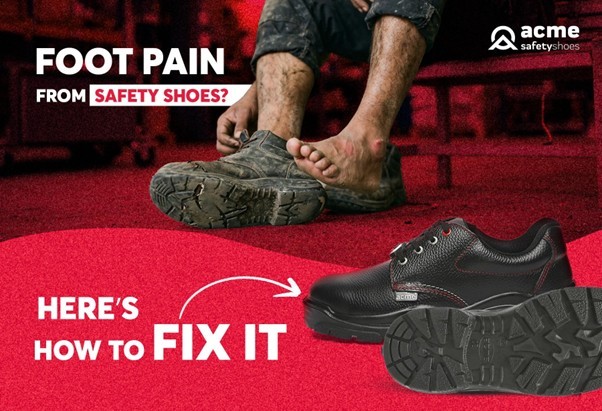
- Comfort: Check for cushioning, breathability and weight as well.
- Durability: Make sure to find out about its construction, maintenance level, warranty and how it needs to be replaced.
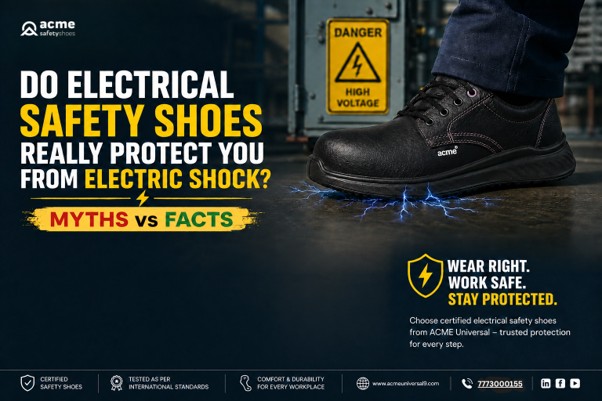
- More Importantly: Antistatic shoes do not mean they provide electrical protection. Get the right footwear according to your workplace conditions.
Safety Shoes Prices in India
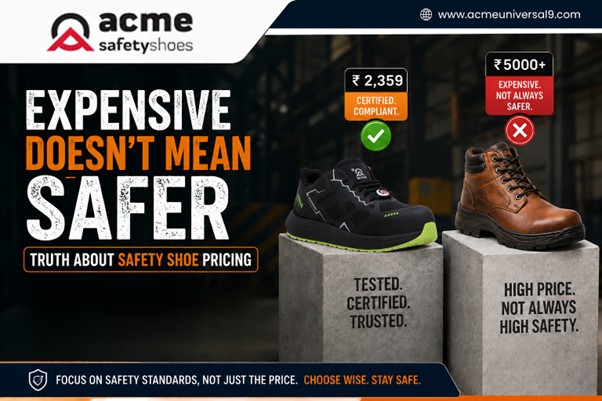
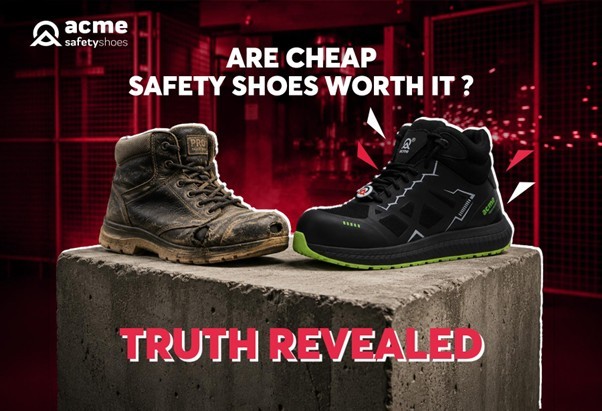
Prices of safety shoe can vary as it depends on the materials, features, certification, construction and order volume.
In general, ordinary safety shoe can cost hundreds of rupees while high-end options may cost thousands of rupees. Please note that this is just the estimation and not the ACME prices.
To make a thorough comparison, check out points below:
- Protective features and certification
- Upper and sole materials
- Comfort and durability
- Warranty and replacement terms
- Discounts for bulk orders and delivery prices
To get ACME specific prices, please request a quote for the model selected, sizes required, and quantity.
Conclusion
Before choosing the best safety shoes in India, it is most important to determine the risks present in one’s workplace. You should prioritize features like protection, certifications, and comfort rather than price.
ACME safety shoes company provides various models of industrial shoes that are suitable for different applications in the industry. You can compare their specifications, define the needs of your workplace, and get a quote for safety shoes that suit you.
Frequently Asked Questions
The best pair depends on workplace hazards, certification, fit and budget. ACME, Allen Cooper, Bata Industrials, Hillson and Liberty Warrior are brands you can check.
Prices depend on the model and the seller. Basic shoes can cost hundreds of rupees while specialized footwear can run into thousands. Please get in touch for the latest quotes.
ACME targets construction and engineering-manufacturing, among others. Customers must ensure that the model chosen satisfies their specific safety requirements.
Check certification, toe protection, sole characteristics, fit, comfort, durability and suitability for hazards in the workplace.
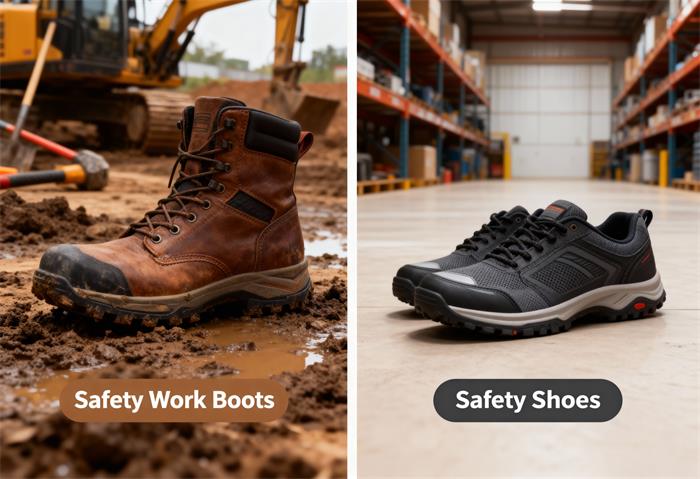
Neither one is inherently better than the other. If they undergo sufficient testing and certification, both can serve their purpose, depending on the requirements of one’s workplace.
