











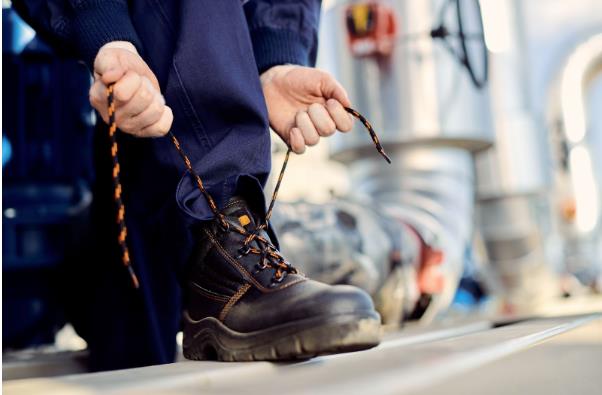
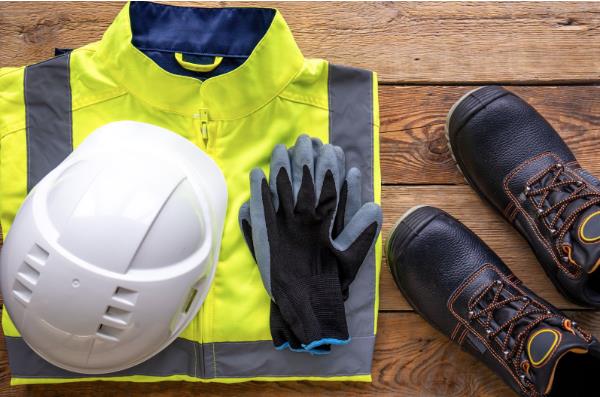
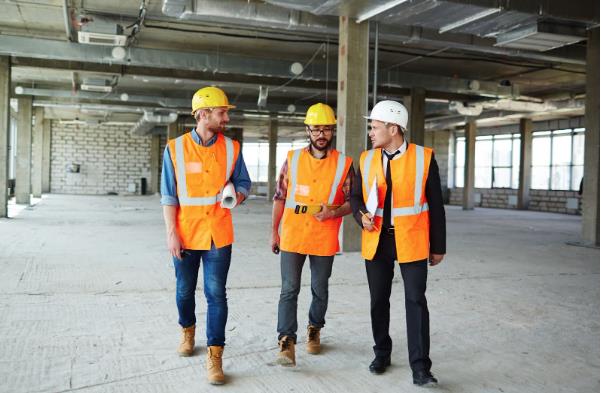




The industrial growth of India has raised the need for dependable protective footwear in manufacturing, construction, engineering and warehousing. Proper selection of footwear protects employees from various hazards on the job and makes long shifts more comfortable.
While choosing safety shoes, consumers in India should look past the design and cost. The Indian standards, specifications, quality of material and the requirement of the working environment all play a significant role in the selection of safety shoes.
Footwear Standards
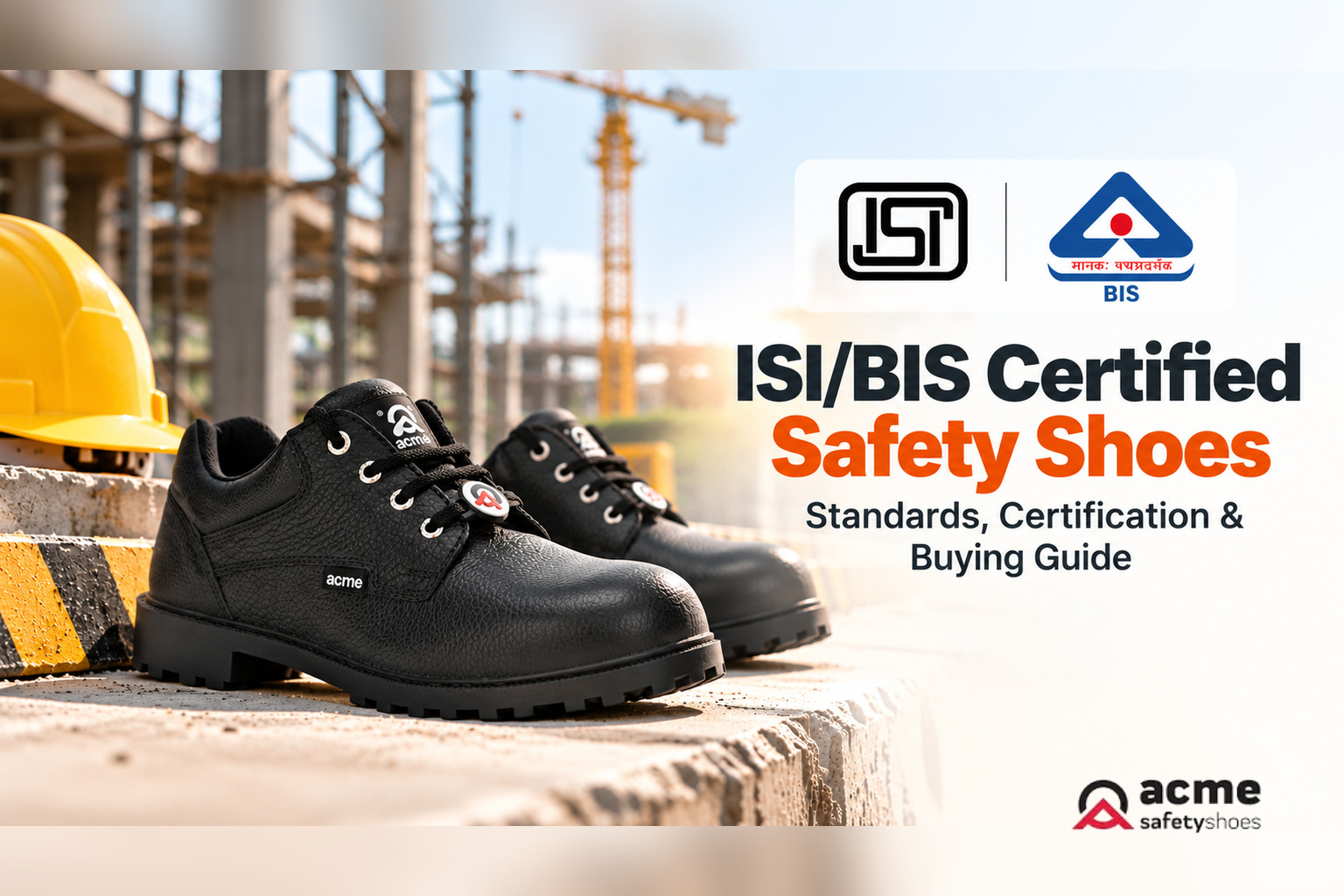
The Bureau of Indian Standards (BIS) has come up with the standards that determine the safety and functioning of protective and safety shoes.
One of the prominent standards is IS 15298 (Part 2):2024, which is about safety shoes and is derived from ISO 20345:2021 with Indian amendments at some places.
The following classifications must be considered by those looking for safety in India:
- SB: Covers the basic requirements for safety footwear.
- S1: Adds features such as a closed heel area, antistatic properties and energy absorption in the heel.
- S2: Includes S1 requirements with additional resistance to water penetration and absorption of the upper.
- S3: Adds penetration resistance and a profiled outsole to the S2 requirements.
- FO: Represents the outsole’s capacity to resist fuel oil and hydrocarbons.
- SR: Represents the slip resistance capability under specified conditions.
- HRO: Represents the outsole’s capability to withstand hot contact under applicable conditions.
These classifications help buyers differentiate footwear according to its features. But they shouldn’t be considered as guarantees for immunity from all workplace hazards.
Important note: Always check the right BIS certificate, licence duration and the approved scope of a particular model before buying.
What Makes Safety Shoes High Quality?
The quality of safety shoes in industrial conditions depends on the combination of protective components, construction, materials and comfort.
Here are some features to check before buying.
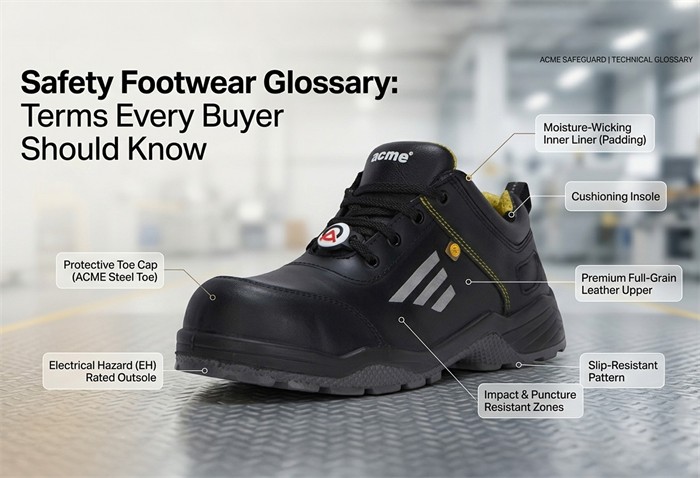
Toe Protection
- Toe caps protect from impact and compression hazards.
- Popular options include steel toe caps and composite toe caps.
- There are multiple models in ACME’s catalog whose toe caps can withstand 200 Joules of impact.
- The choice depends on the risk assessment of the job.
Sole Material and Grip
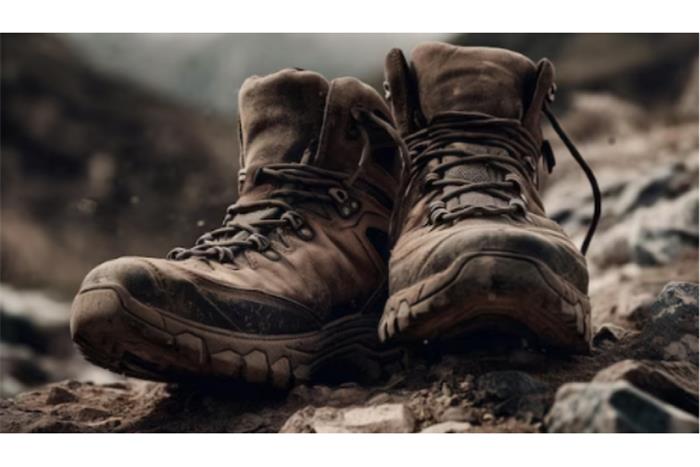
- The outsole affects how well one can grip the floor, how long it will last, and its ability to withstand certain substances.
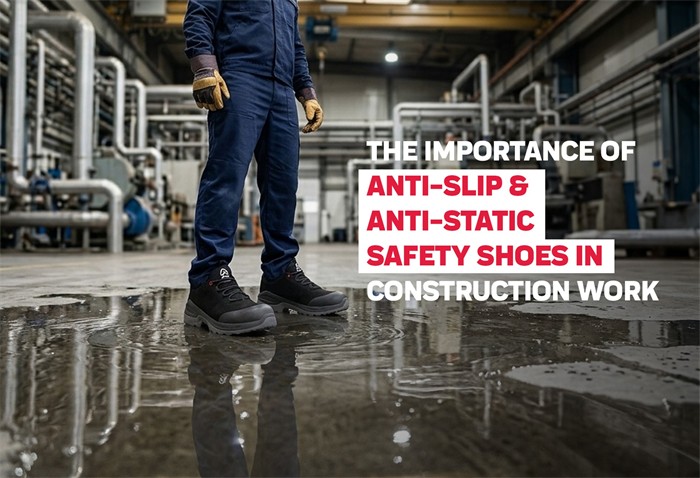
- Slip resistance matters in places where floors can be slippery.
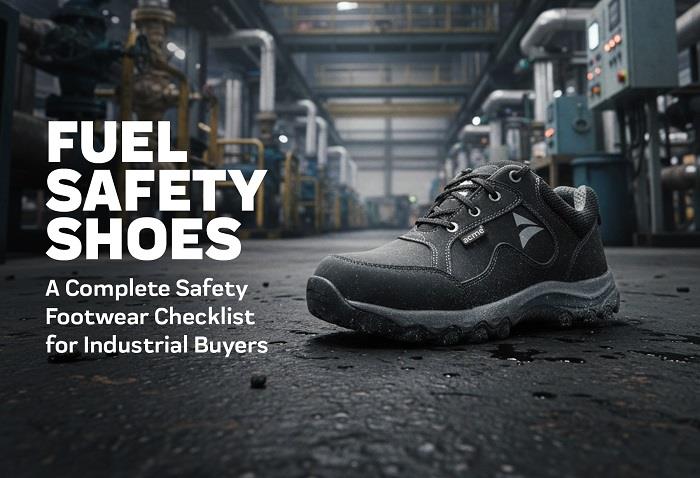
- Fuel-oil resistance comes in handy in some industries.
- Just because a material is resistant to fuel oil does not mean it can resist every chemical.
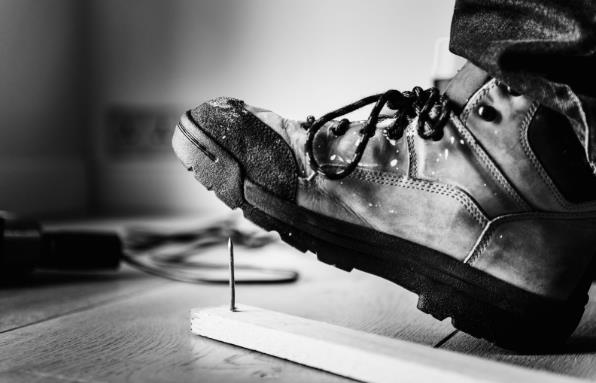
Penetration Resistance
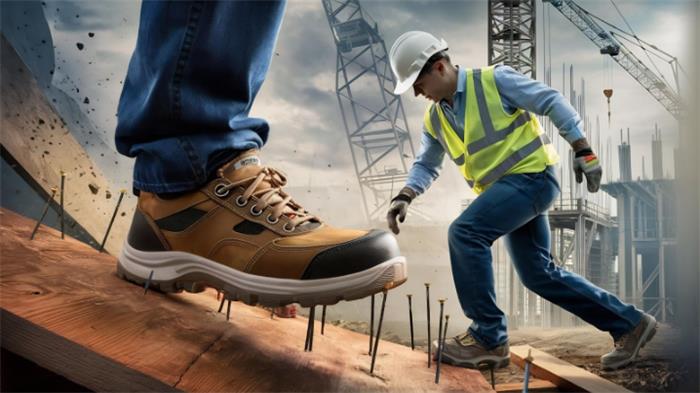
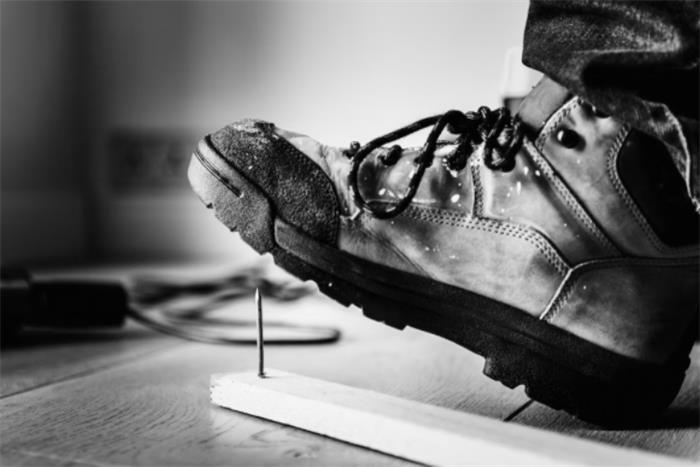
- Sharp objects, nails or metal pieces are a hazard underfoot.
- Appropriate penetration-resistant inserts provide protection from the dangers.
- It is recommended that people check for penetration-resistance class rather than think that every model has it.
Comfort and Fit
- Wearing the right size will help to ease discomfort during long shifts.
- Cushioning and appropriate footbeds will be enough for comfortable day-to-day use.
- Breathable linings will add comfort depending on the working conditions.
- Protection should always come first rather than appearance.
ACME Safety Shoes: Product features and Options
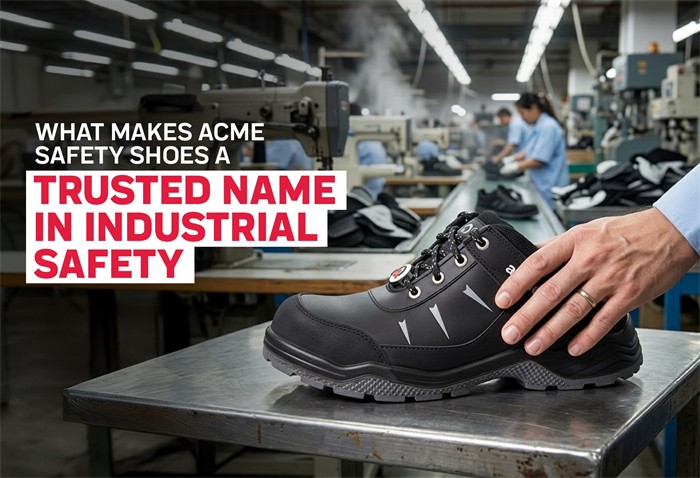
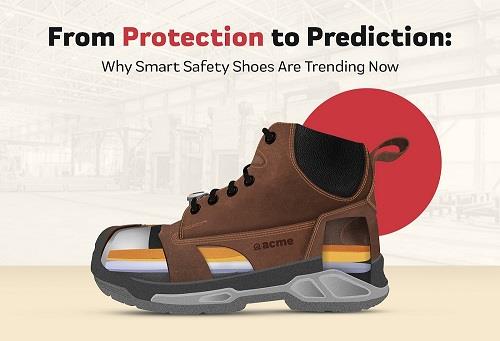
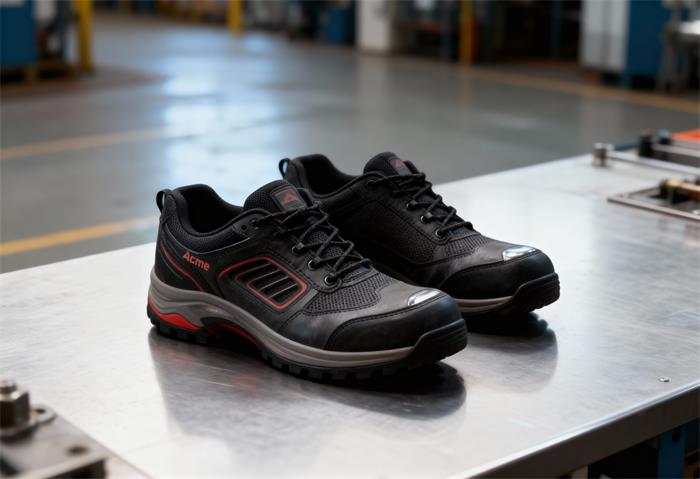
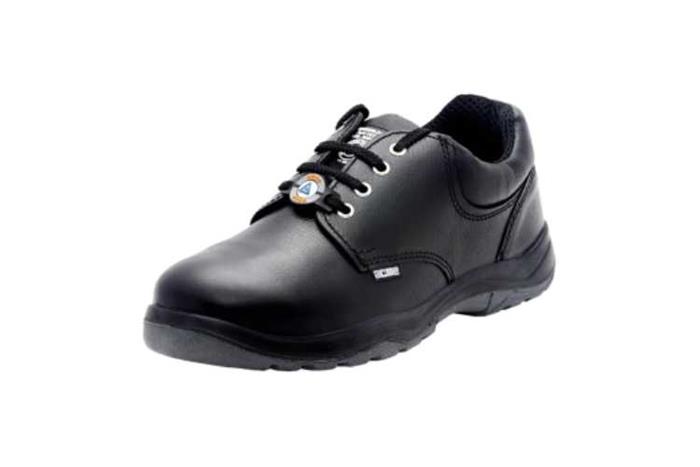
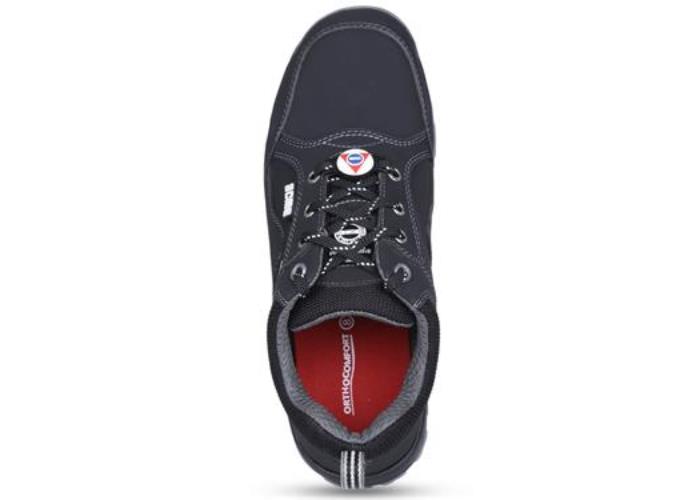
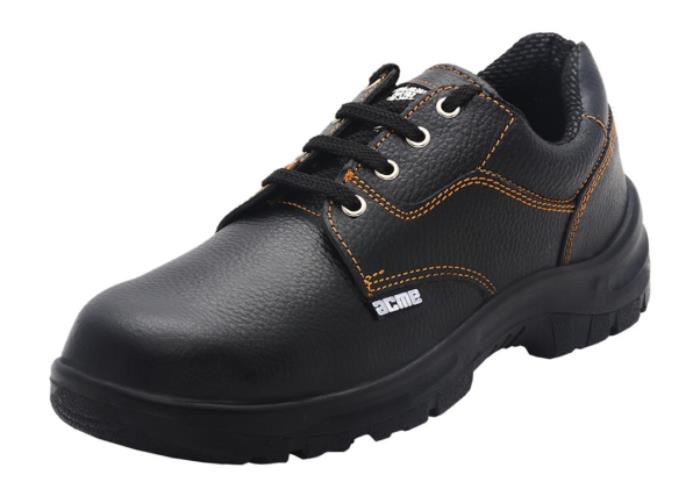
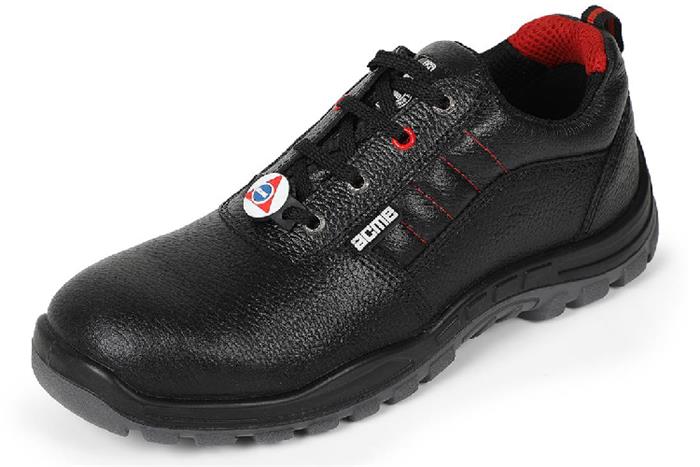
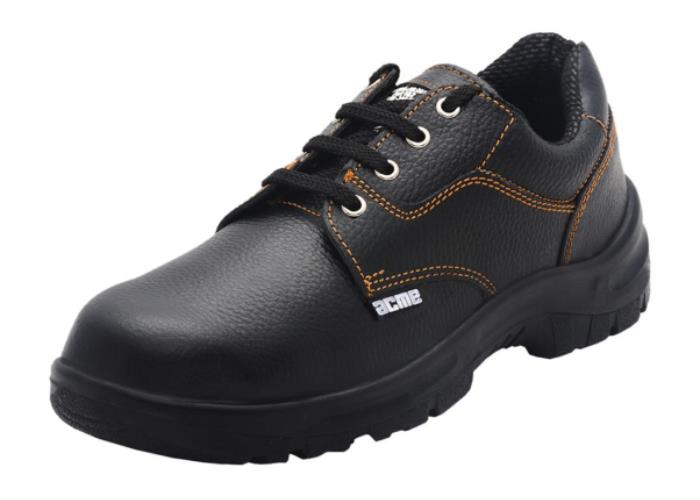
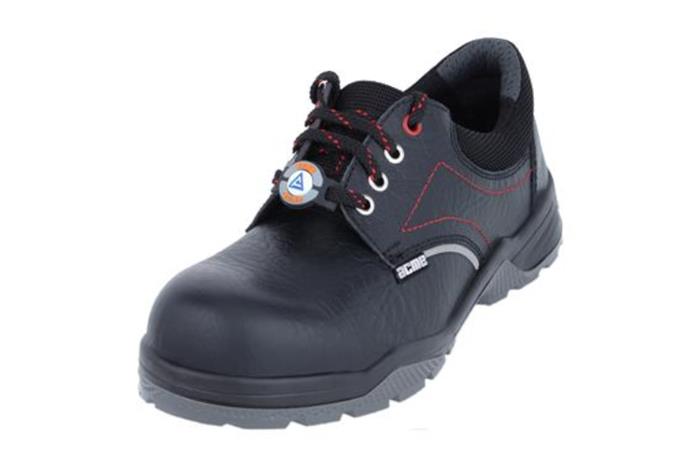
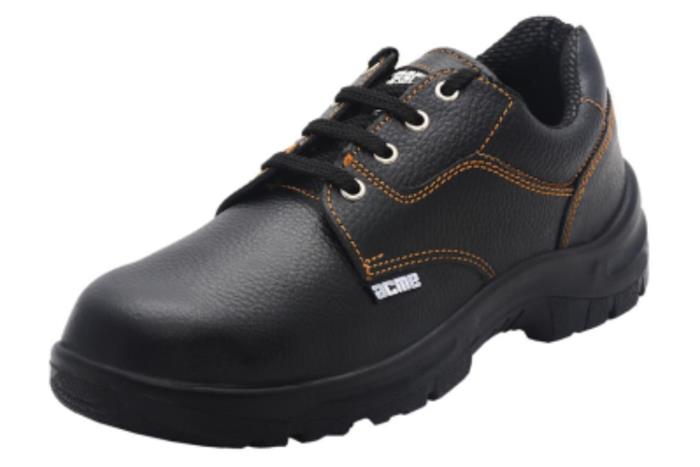
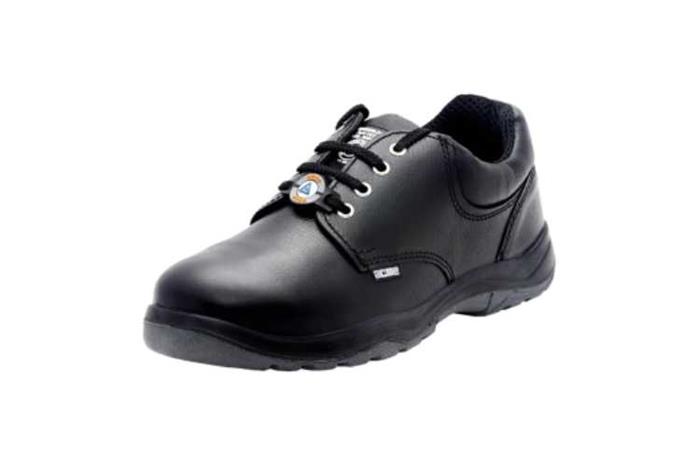
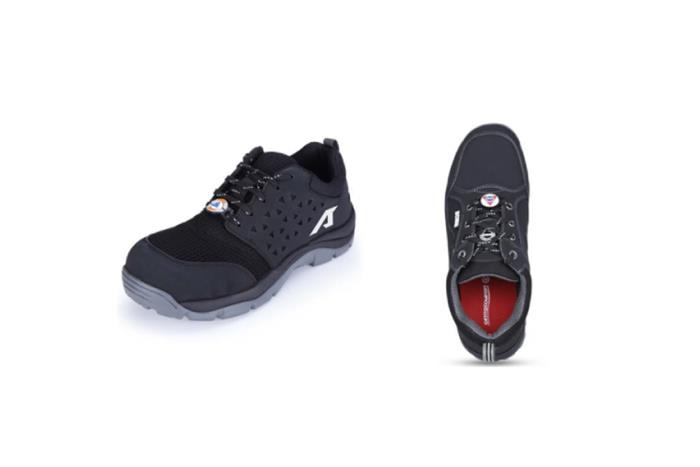
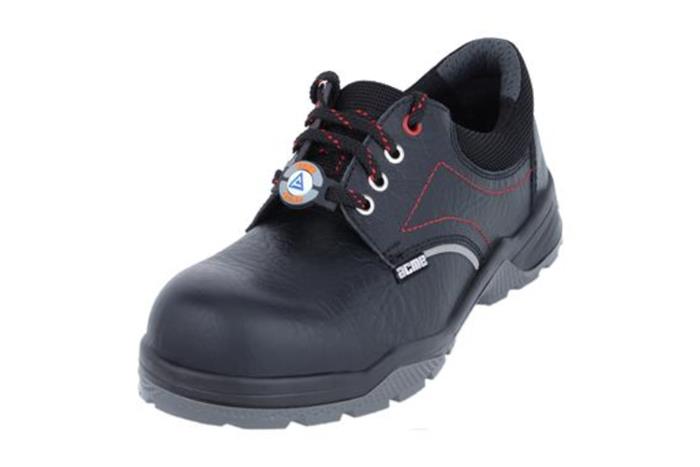
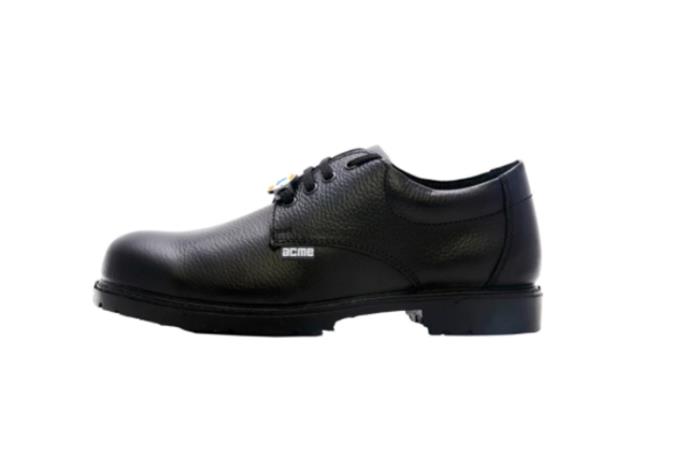
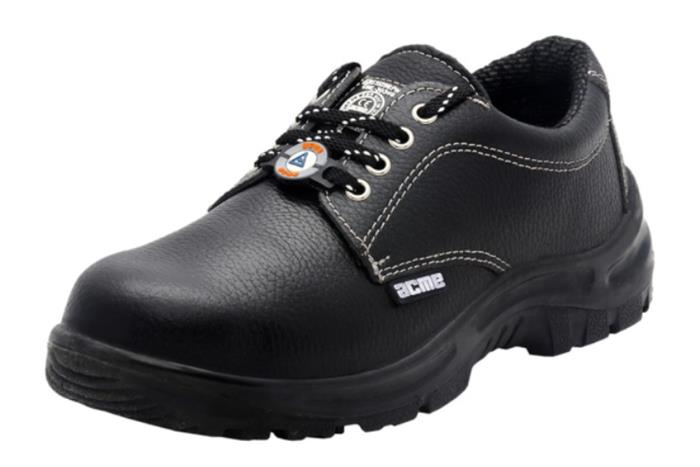
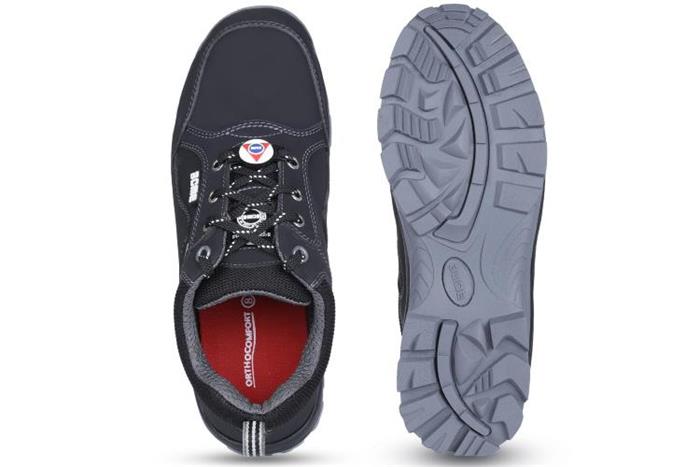
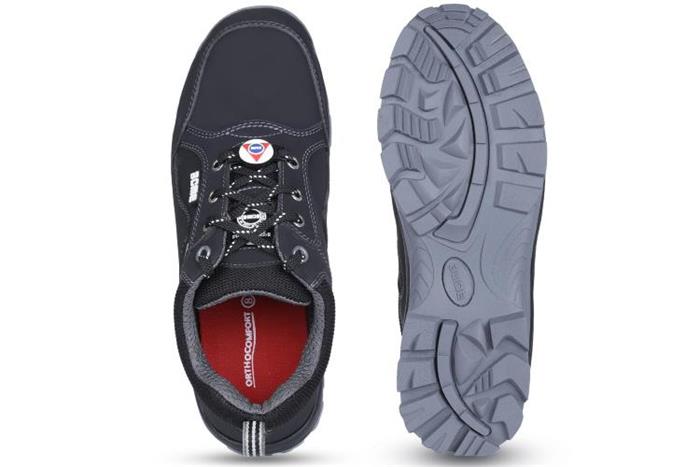
The ACME Universal Safezone 9 Limited company provides a variety of industrial footwear models with good characteristics. The 2026 Standard catalogue has varieties of the footwear with qualities such as toe caps, BASF PU sole, antistatic features, custom-made footbeds and waterproof upper material.
Below are the specifications of various ACME safety shoes models.
Bolt V1
- Category: S1 FO SR
- Toes protected with a composite cap with protection against 200 joules
- Sole made from double-density BASF PU
- Additional features: Anti-static properties and the presence of a memory foam footbed
- Applicable in environments: Safety footwear features are such that certified S1 protection and sole properties can be suitable with the risk
Graz V2
- Category: S3 FO SR SC
- Toes protected with composite cap with protection against 200j
- Upper made from water-repellent leather
- Additional feature: Anti-perforation insoles and toe protectors according to the checklist
- Applicable in environments: Safety shoe features approved according to the checklist are suitable for some industries
Lithium V2
- Category: S2 FO SR
- Toe protection with steel cap
- Sole made from double-density BASF PU
- Additional features: ESD properties and the electrocomfort footbed
- Applicable: Safety shoe features suitable for workplaces with spark control requirements according to the specifications
Ozone V4 and Breno V1
These models are good with respect to compliance with S2 standards. They have composite toes and water-repellent uppers as mentioned in the catalogue description. The product also has PU soles made by BASF but with different sole constructions. Customers should look into specifications before making a choice. The provided information reflects the information from ACME catalogue.
Choosing Safety Shoes for Industrial Purposes
Appropriate shoes depend on the potential dangers faced by workers, duration and workplace conditions.
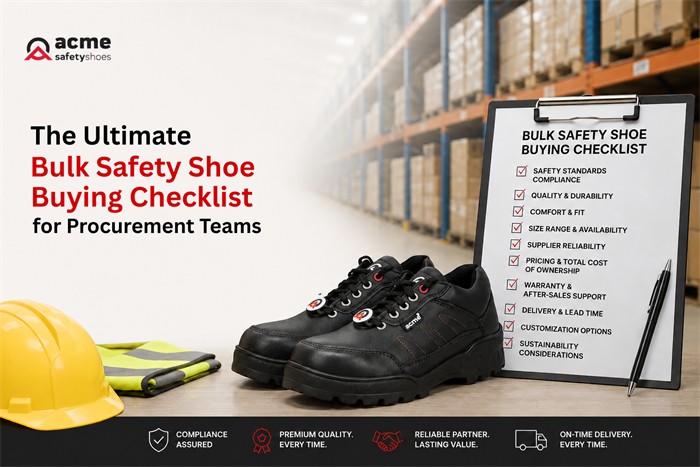
Consider the following checklist when buying footwear for industrial purpose:
- Analysis of workplace risks: Falling objects, sharp edges, slippery surface, heat and static electricity.
- Evaluation of compliance with standard: Make sure you know the relevant Indian standard being followed and always have the product certification at hand.
- Comparison of the features: Principles of S1, S2, S3 and other specifications should match the real requirements for footwear.
- Checking the materials: When evaluating the shoes consider the upper and the sole of the shoes.
- Prioritize fit: Take into account aspects of sizing, cushioning and comfort when working long hours.
- Check documentation: Look over all relevant specifications, test reports, warranty conditions and sizes.
- Adhere to workplace guidelines: Seek the advice of the safety officer or procurement team to ensure proper protection.
Utilizing a structured selection process can assist companies in avoiding the selection of footwear based only on price or general claims regarding the product.
The Importance of Indian Manufacturing and Quality Standards
As domestic manufacturing continues to grow, quality, consistency and compliance are some of the key points industrial buyers must take into consideration.
In order to evaluate safety shoes made in India, companies must look at more than just what country produces them.
It is advisable to look for manufacturers who can provide:
- Clear technical specifications per model.
- Relevant BIS certification and other traceable product documentation.
- Quality control and testing procedures.
- A variety of protection features suitable for different working conditions.
- Accurate information about sizing, warranty and after-sales service.
When we talk about products being “Made in India”, we refer to the context of manufacture, but we do not, however, establish the safety performance of the product. The safety performance can only be established through certification, test results and proofs of performance obtained for the product in question.
These checks are helpful for businesses sourcing safety shoes for industrial operations as they facilitate the process of making informed purchases and help achieve the company’s safety goals.
Making an Informed Choice with ACME Safety Shoes
Different industries require divergent types and degrees of protection. Hence, a model that is appropriate for general manufacturing may be inappropriate for an industrial site involving penetration hazards, electrical work or work with equipment having a potential for heat contact.
ACME’s catalogue can be of help as a starting point for buyers in comparing its footwear range through specifying classes of products and provided specifications.
The following steps must be taken by companies when evaluating ACME safety shoes:
- Compare the classification and type of footwear to the risk assessment at the workplace.
- Verify the relevant BIS license and model approval.
- Find out whether technical specifications of the footwear correspond to the requirements of the venue.
- Confirm the product fit, comfort, size, and warranty.
- Communicate with the manufacturer and get updated technical documents.
Conclusion
Choosing the right safety shoes requires complete knowledge of the risks present in the workplace, as well as familiarity with local standards, materials, and features used for making safety shoes. Buyers should always check the seal of approval on safety shoes before making a decision to purchase those in India.
