













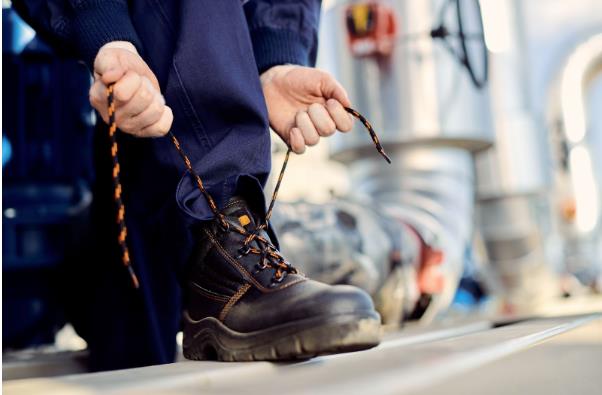
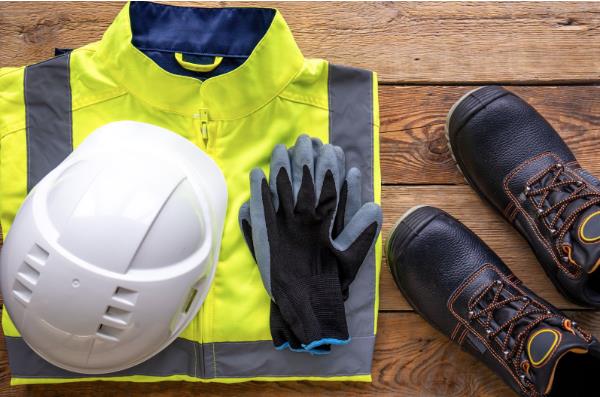
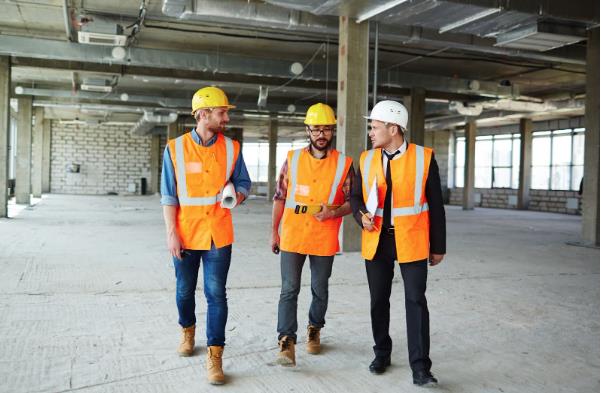
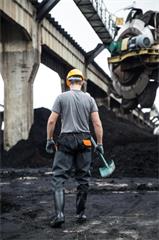
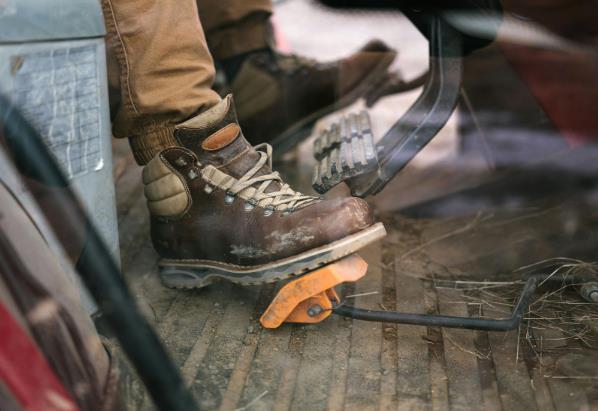
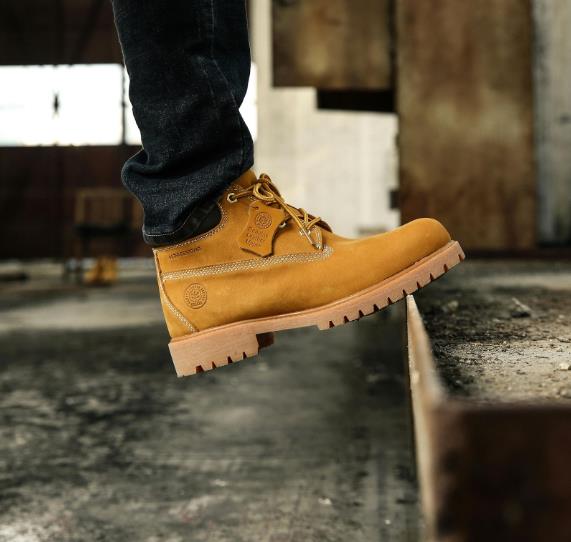
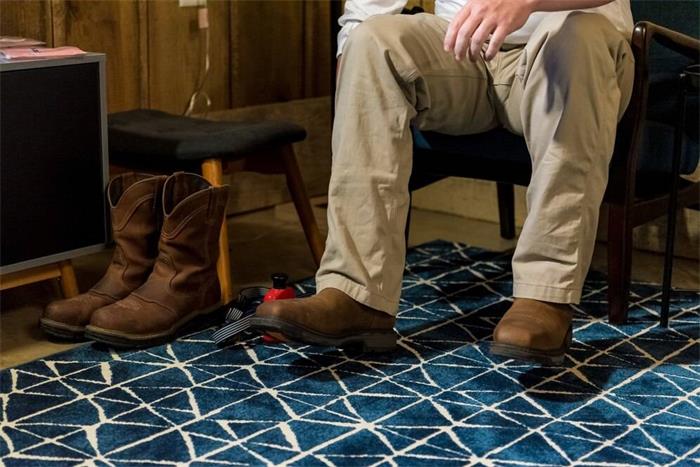
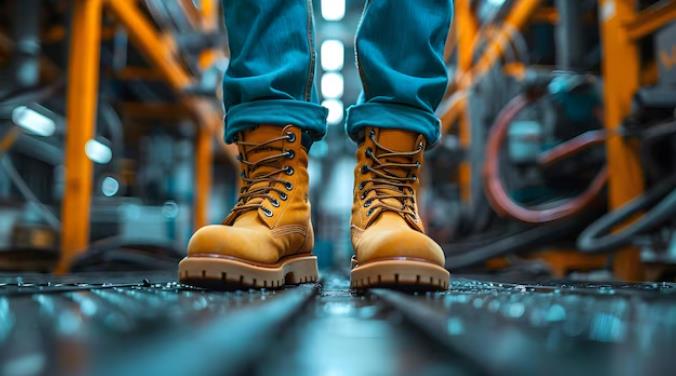
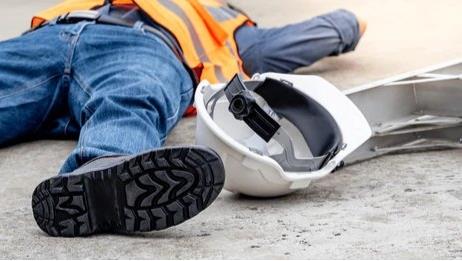
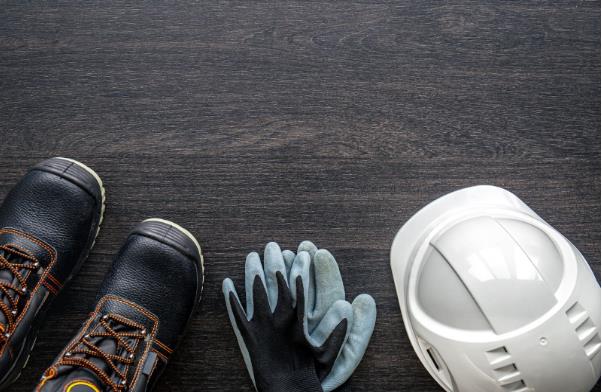
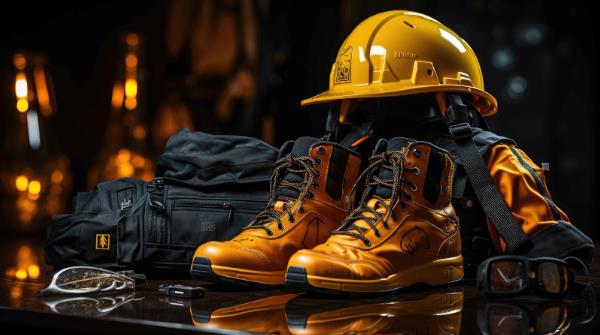
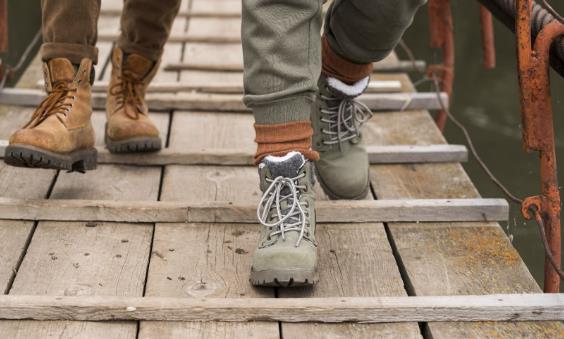

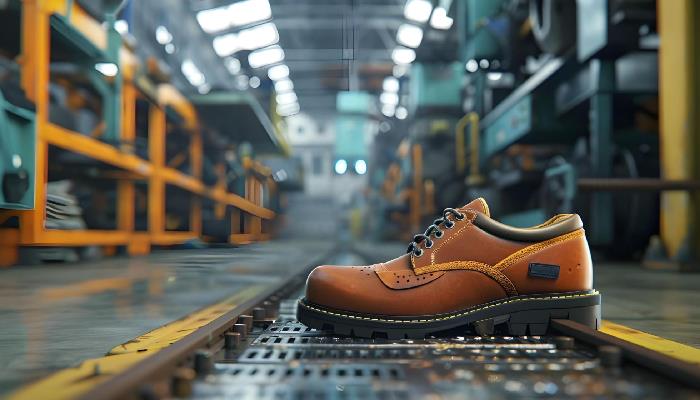
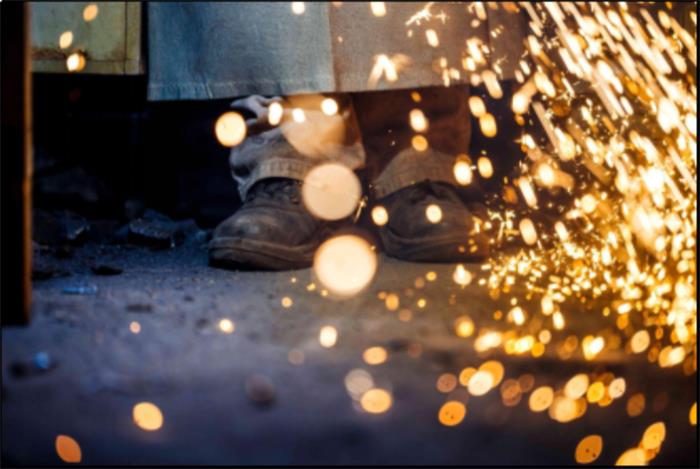
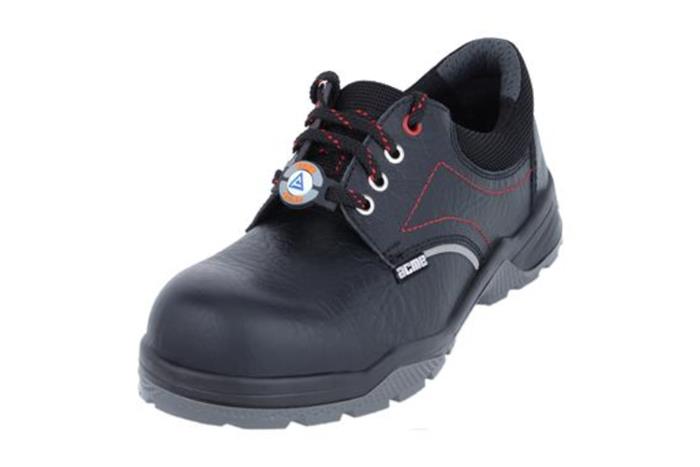
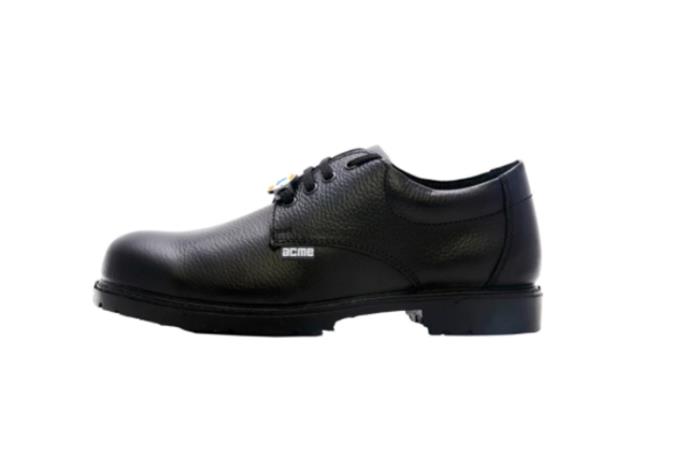
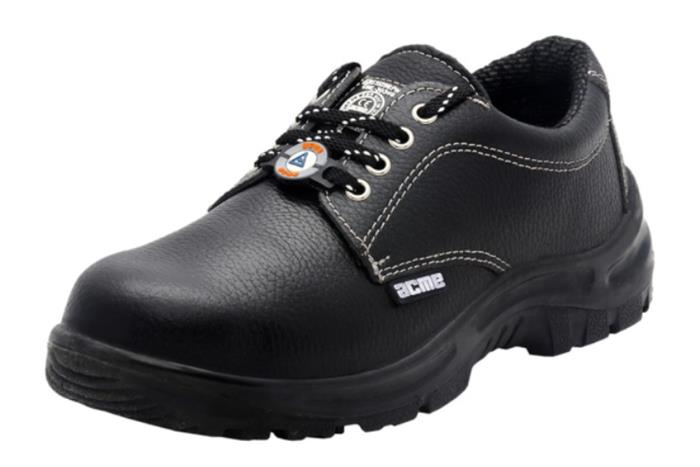
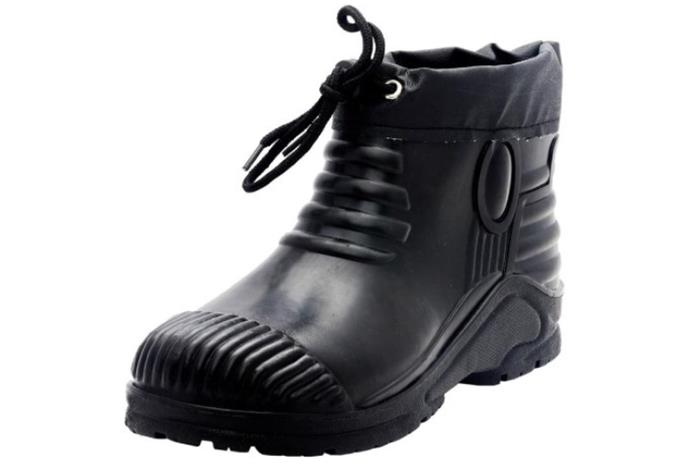
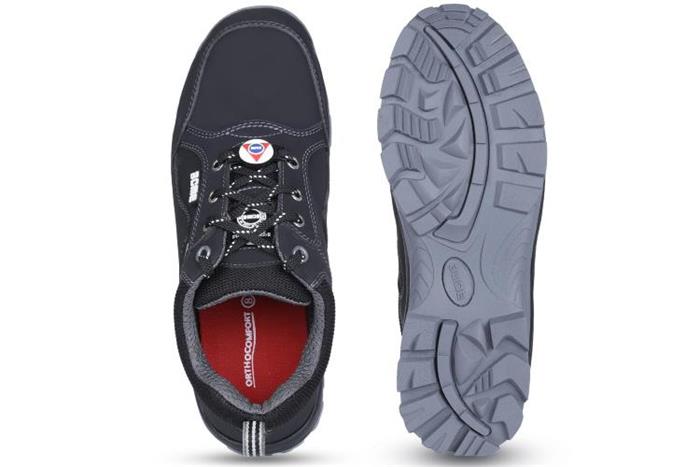
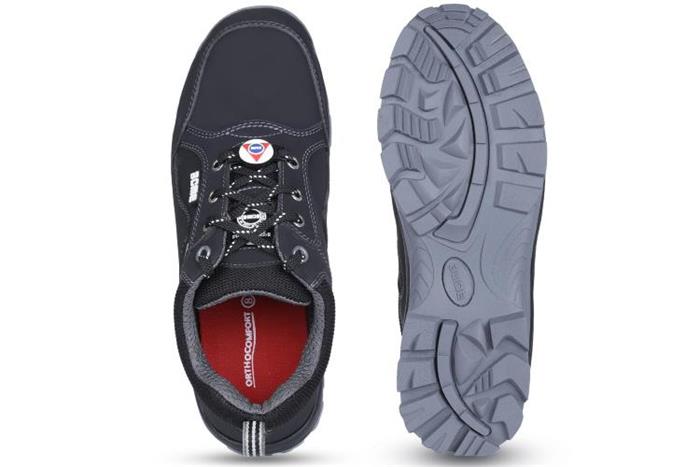
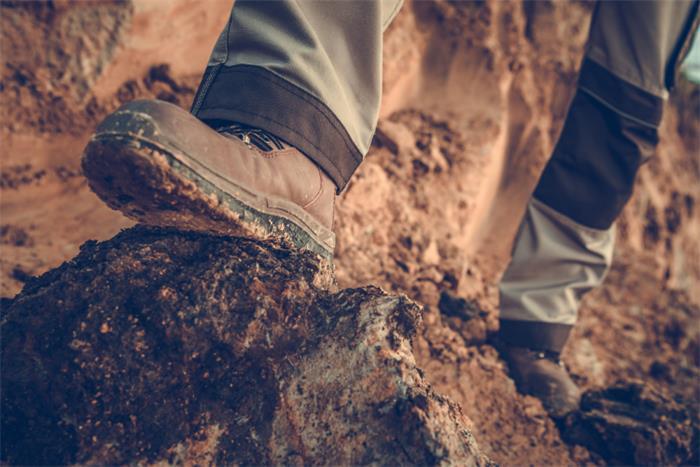
In construction areas, there are a lot of heavy materials, rough surfaces, and other hazards to be encountered every day by the workers. It is important to choose proper footwear that will help workers handle hazards and will make them feel comfortable for a long time. But the question is whether all safety shoes are created equal. Therefore, the key to choosing the right construction safety shoes is the ability to understand what dangers are present in the work area and what characteristics are needed for their elimination.
What Are Construction Safety Shoes?
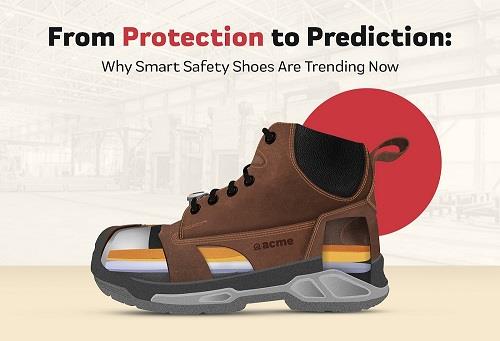
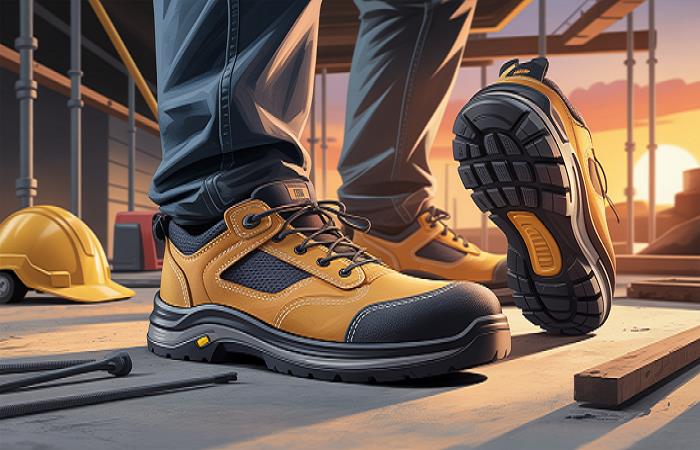
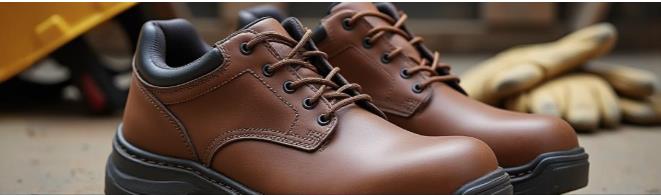
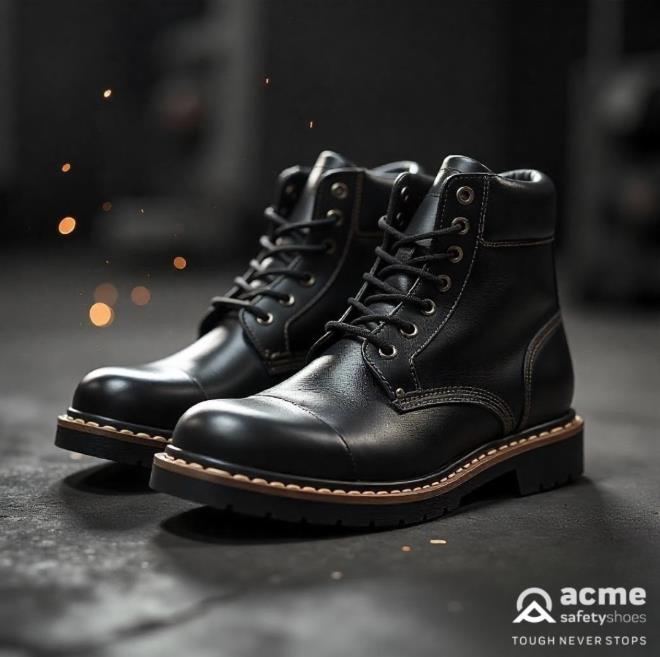
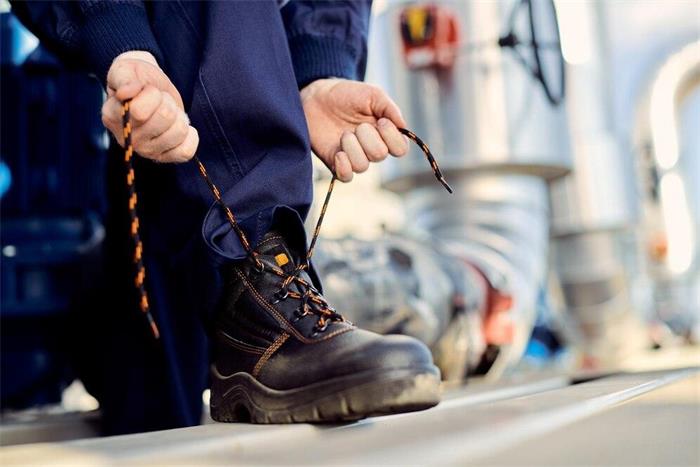
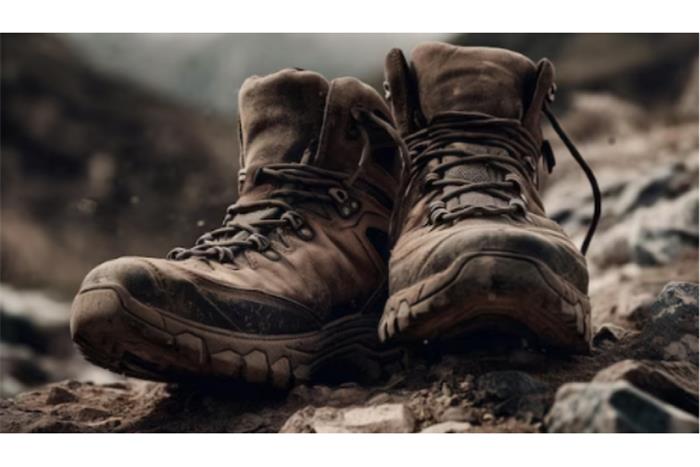
Construction safety shoes are special shoes that provide protection of feet from injuries in difficult conditions. According to the design, safety shoes can have different additional functions – anti-slip, anti-puncture, impact-resistant, water-repellent and other functions.
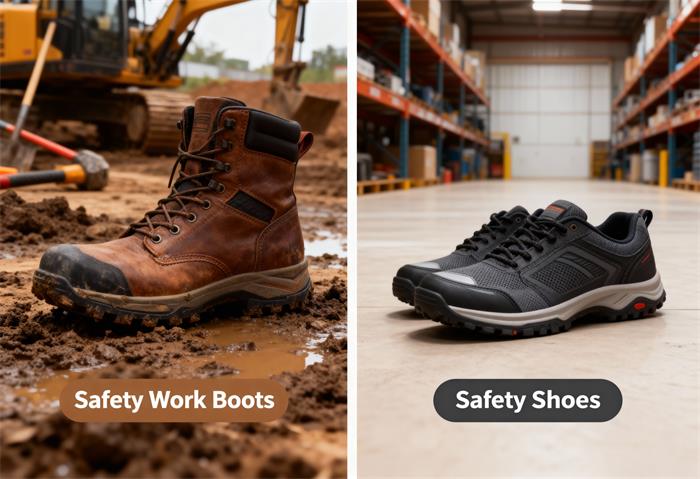
Safety footwear differs from regular work shoes in its protective properties, which consist in the presence of a reinforced toe cap, special sole etc.
Key Takeaways
- Toe protection: Steel and composite toe caps can help protect against impact when tested to the applicable safety requirements.
- Slip resistance: Look for an appropriate slip-resistance rating for the surfaces workers encounter.
- Puncture protection: Choose safety footwear with a suitable anti-perforation feature where nails and sharp debris pose a risk.
- Water protection: Check whether the upper is water-resistant, water-repellent or waterproof.
- All-day comfort: Breathable lining, cushioning and a proper fit matter during long construction shifts.
- Safety certification: Verify the applicable BIS/ISI certification, standard and classification for the specific model.
Features Necessary for Every Site Worker
Here are some features to consider when comparing safety shoes for construction workers.
1. Protection against Impact
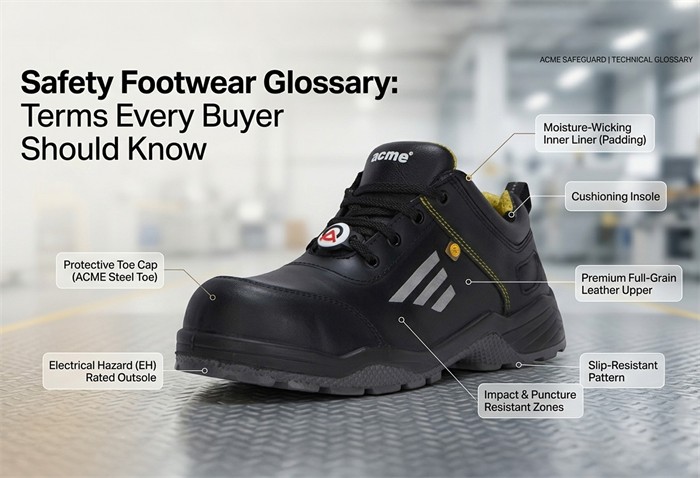
The brick, tools and other construction material falling on the foot can cause serious damage. Both steel and composite toe caps provide impact and compression protection according to the applicable requirements. In ACME, GRAZ V2 and TRITON V1 shoes, there are toe caps providing 200 Joules of protection. Depending on the specific product, a composite toe cap can be less heavy than a steel alternative.
2. Anti-Slip Outsoles
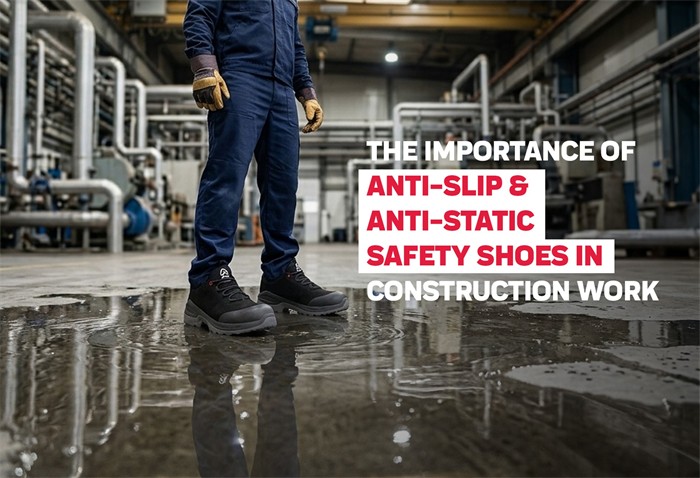
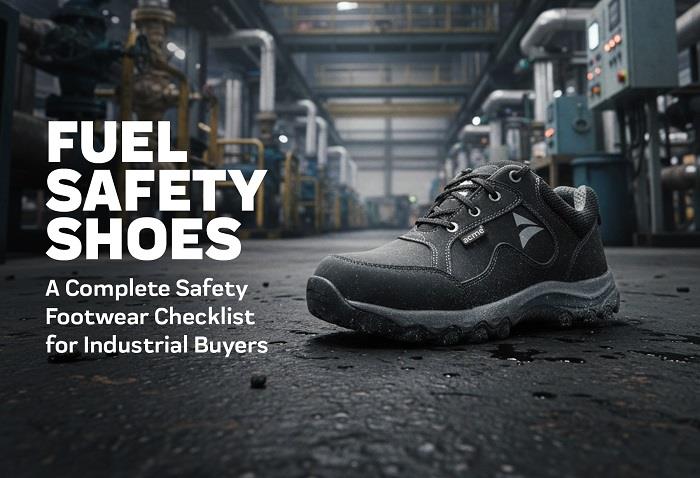
Dust, water, oil and other factors make the construction site surface very slippery. It is important to choose appropriate footwear with a proper rating like SR when specified. Oil, chemical and fuel-resistant outsoles can come in handy on certain construction sites, but their specific properties will differ by the particular model.
3. Puncture Protection
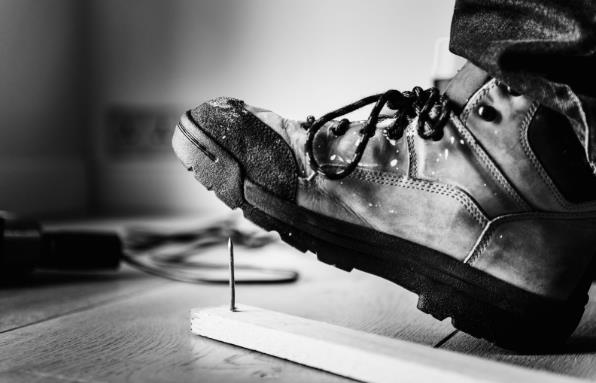
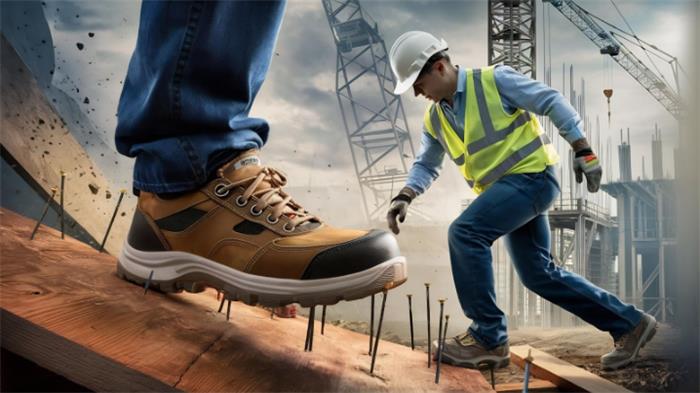
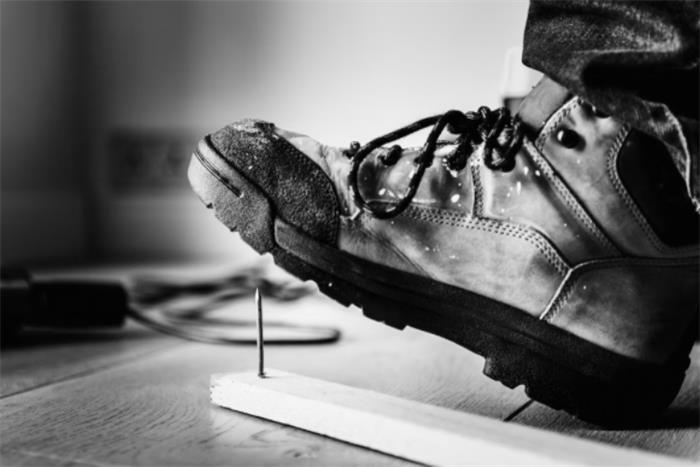
Various objects, nails, metal fragments, and other sharp stuff can penetrate your safety shoes from below. Shoes with anti-puncture protection and proper insoles can decrease the chances of penetration. ACME GRAZ V2 has an anti-perforation insole and thus is a good choice in case of such hazard at construction site.
4. Water Resistant and Durable Materials
Outdoor workplaces may involve exposure to rains and damp surfaces and materials. In this case, a water-resistant or water-repellent upper material can be useful. Make sure that the shoe meets the required level of protection and not all safety shoes are waterproof.
5. Comfortable for Long Hours of Work
Most construction workers perform a lot of activities involving walking, standing and climbing. Liners that prevent moisture accumulation inside the shoes and cushioned footbeds provide extra comfort. Technologies like PERMASPUN lining, Ergocare footbeds and Orthocomfort footbeds are used in ACME’s selected models.
How to Choose the Suitable Construction Safety Footwear?
Before choosing the best construction safety shoes in India, it is necessary to consider the hazards faced by the workers on daily basis.
- Falling object hazard: Choose shoes with certified toe protection corresponding to the impact risk.
- Presence of nails or other sharp material: Consider the anti-perforation test result for the selected footwear.
- Wet and/or slippery surfaces: Choose the right type of outsoles depending on the slip-resistance rating and the upper material providing the required water protection level.
- Long working hours: Choose shoes with correct fit and comfortable footbeds without neglecting protection aspects.
- For specialised conditions: Check whether the footwear is rated for heat, electrostatic control or other relevant hazards.
Always ensure the shoe fits properly and is suitable for the specific task. No single model is ideal for every construction site.
Steel Toe vs Composite Toe Construction Shoes
Both options can provide impact protection when designed and tested to the relevant standard. The main differences concern material, weight and suitability for the work environment.
| Feature | Steel toe | Composite toe |
| Material | Steel | Non-metallic materials |
| Impact protection | Depends on certified design | Depends on certified design |
| Weight | Can be heavier | Often lighter |
| Metal-free use | Not suitable | Possible, depending on the full shoe construction |
For example, ACME TRITON V1 features a steel toe cap, while GRAZ V2 uses a composite toe cap. The right choice depends on site requirements and the footwear’s complete specifications.
Safety Standards and Certification to be Looked For
Certification will help you know whether the footwear you wish to purchase is able to meet certain safety standards. The BIS/ISI certification for safety footwear along with standard number and its classification must be found in India.
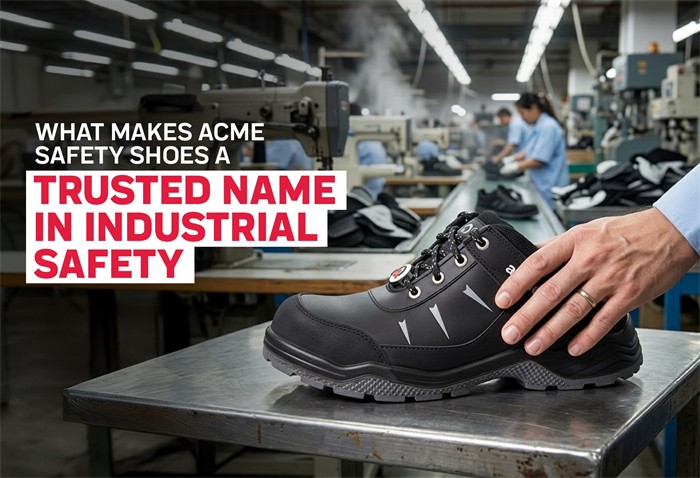
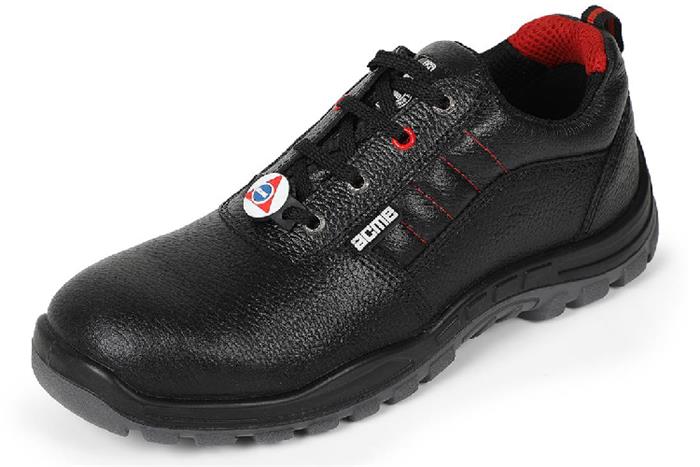
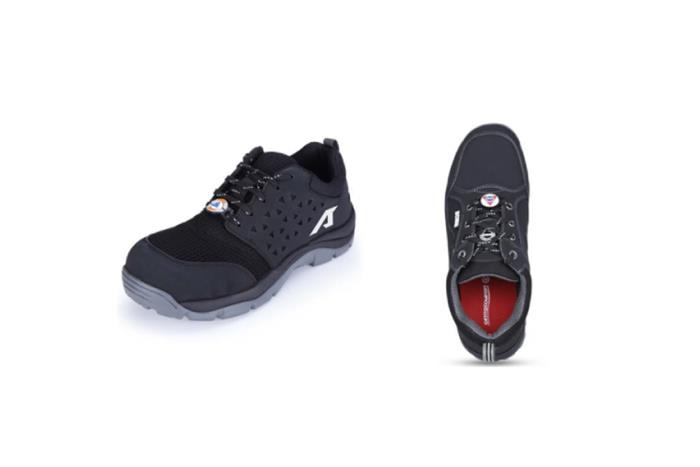
ACME offers models that have been certified with respect to IS 15298 (Part 2): 2024, which includes GRAZ V2 and AGILE V1 models; however, both models have different classifications. Below are some of the marks to find on products.
- S1: It is a safety footwear classification with certain basic and other special requirements.
- S2: Includes all S1 requirements along with water penetration and absorption resistance of the upper.
- S3: Includes special requirements like penetration and profiled outsole in addition to the relevant classification.
- FO: Resistance of the outsole to hydrocarbons.
- SR: Special slip-resistance test classification under the relevant standard.
- P: Perforation resistance according to the relevant test requirements.
These are non-interchangeable markings. Make sure to check for the standard version and classification before buying the product.
Other Mistakes To Avoid
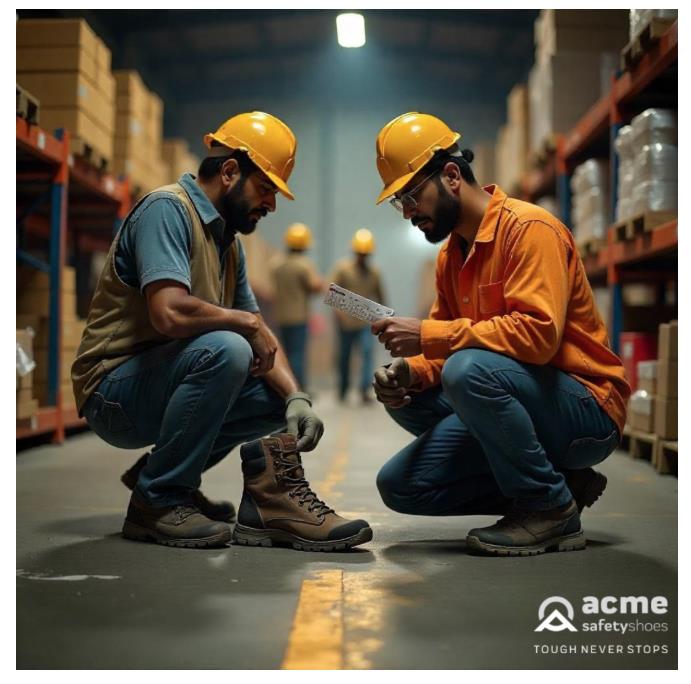
The choice of safety shoes based only on price and aesthetics may lead to overlooking other possible dangers. Other common mistakes are not considering the possibility of punctures, thinking that being water-resistant is the same as being waterproof, forgetting about fit and comfort, and taking safety certificates as equal.
Moreover, workers need to inspect their footwear regularly because the damaged upper, worn out sole or damaged protective elements may influence the performance of the shoe. You should follow the instructions of the manufacturer in this matter.
ACME Construction Safety Shoes to Consider
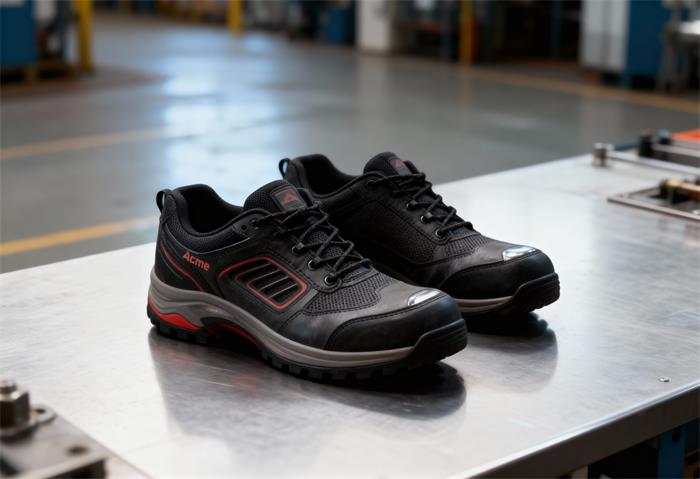
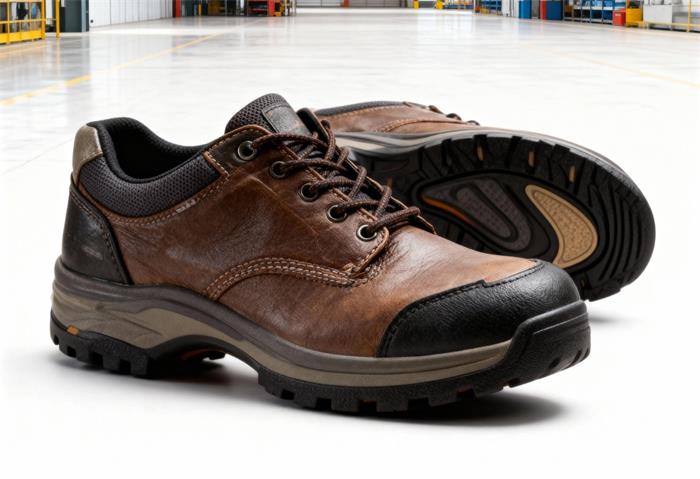
There are several types of ACME shoes with different levels of protection and comfort characteristics. Among them you may consider two following models:
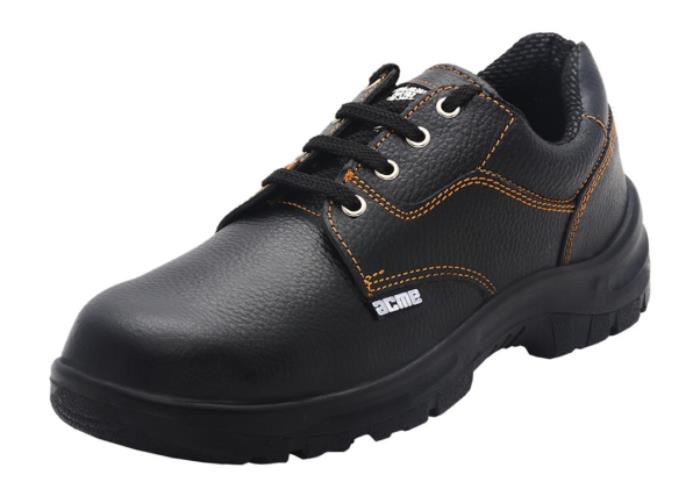
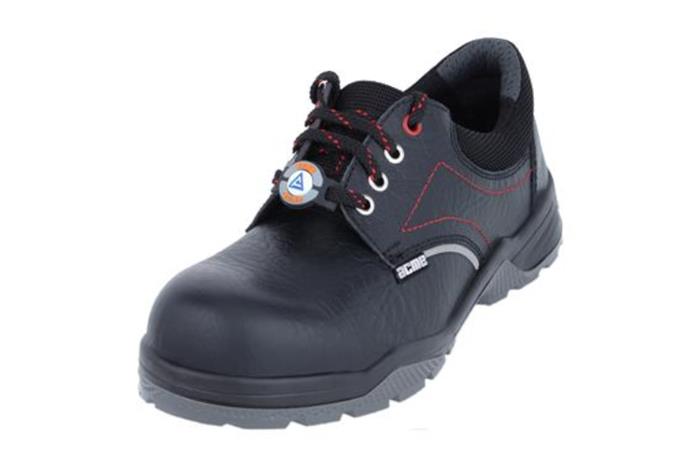
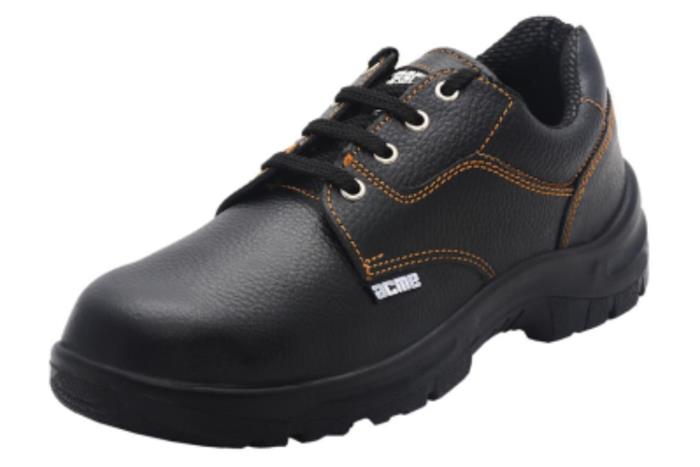
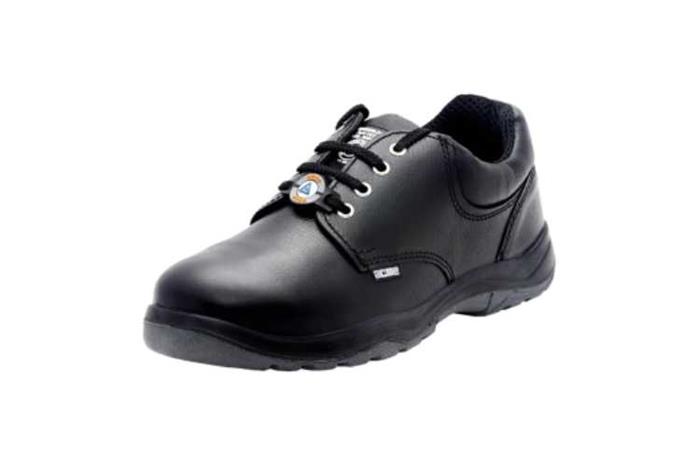
GRAZ V2: With the composite toe cap providing 200 Joules impact protection, with anti-perforation insole, with water repellent leather upper, PERMASPUN lining and three layer Ergocare footbed. Also its specifications include antistatic characteristic and slip-resistant outsole.
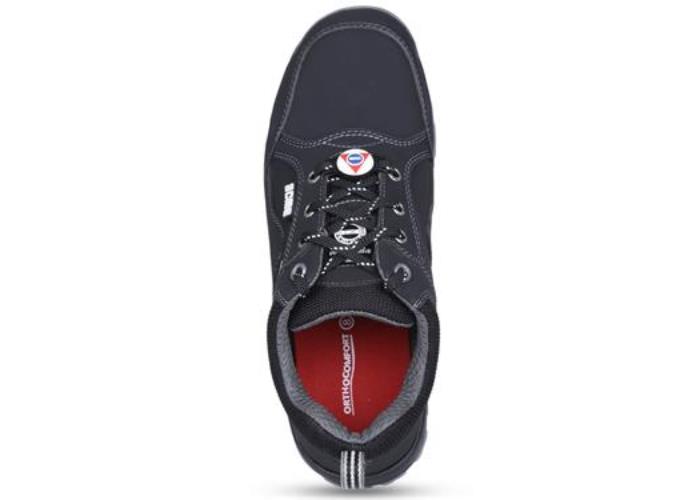
TRITON V1: With the steel toe cap providing 200 Joules impact protection, with waterproof upper, breathable PERMASPUN lining and Orthocomfort footbed. The outsole of this shoe is antistatic, anti-skid and resistant to oil, fuel and chemicals.
Compare each model’s certification and complete specifications with your worksite’s requirements before making a selection.
FAQ
Some important features include toe protection, the proper amount of slip resistance, puncture resistance if necessary, water resistance, and a good fit.
Neither is superior. They can both have proven impact protection. The weight, conditions on-site, metal-free needs, and the certification of the product are some things you must consider.
They do not. If puncture resistance is needed will depend on the risk of nails, sharp objects, and other things present on the construction site. Always follow the risk assessment of the site.
Replace safety shoes when they are damaged or when their protective ability may be compromised.
Construction safety shoes should not only protect you but also give you good traction and comfort. Consider the hazards at your site, the product certification, and the important features. Discover the ACME collection of safety footwear that will meet the demands of your work site.
