














































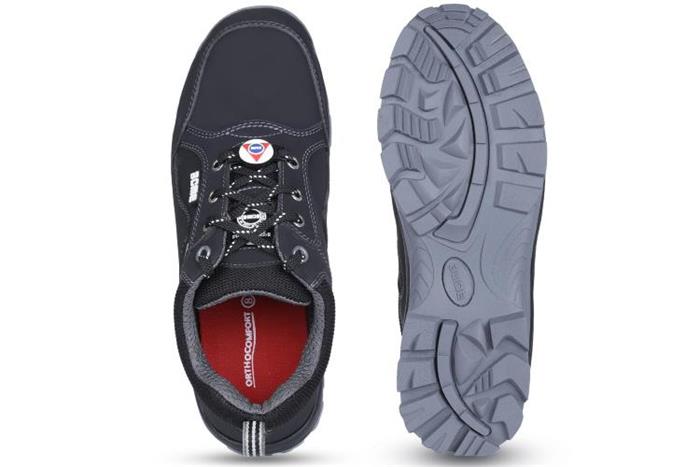

Triple-density soles are more suited in the case where a safety shoe is required to have a construction of three different material components. Double-density sole can also be as well suited for heavy-duty usage in industries. The difference actually depends on the materials used and their performance and not necessarily in number of layers.
The sole is one of the most critical component of a safety shoe and affects its performance in the work environment including durability, non-slip capability and resistance to various industrial materials. Knowing the difference between double-density and triple-density construction can be very helpful when choosing safety footwear according to requirements of your business.
What Is a Double-Density Safety Shoe Sole?
Double-density safety shoe sole means that there are two materials or densities used in its construction and each of them may have its function depending on selection of the materials. Common examples of such constructions are PU-PU, PU-rubber and Phylon-rubber.
For example, the combination of PU layer and rubber outsole will result in combination of the properties of both materials and will depend on the specific construction and formulation.
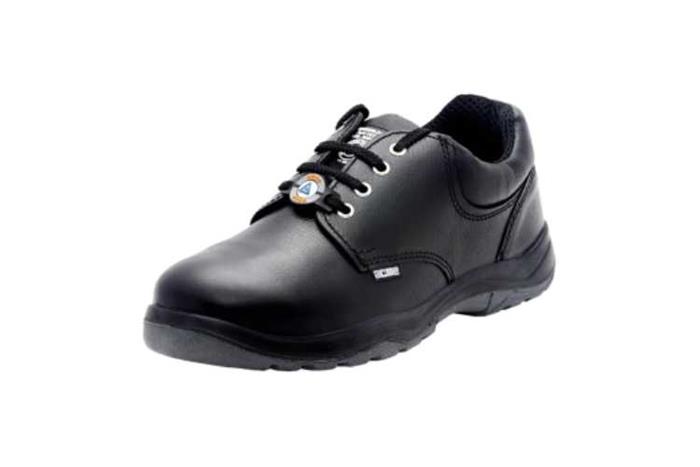
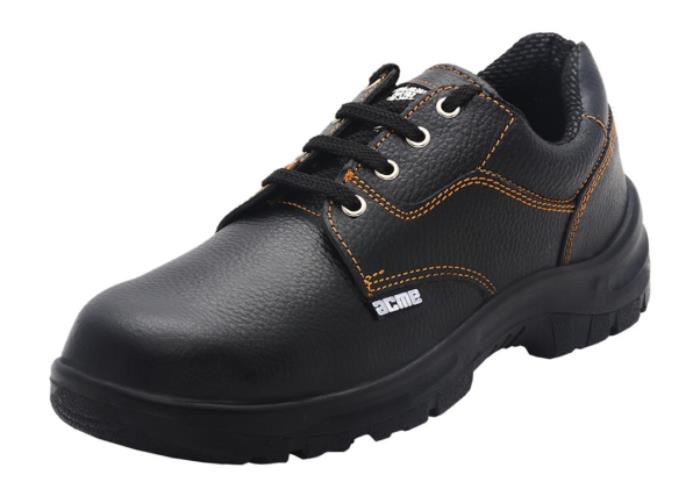
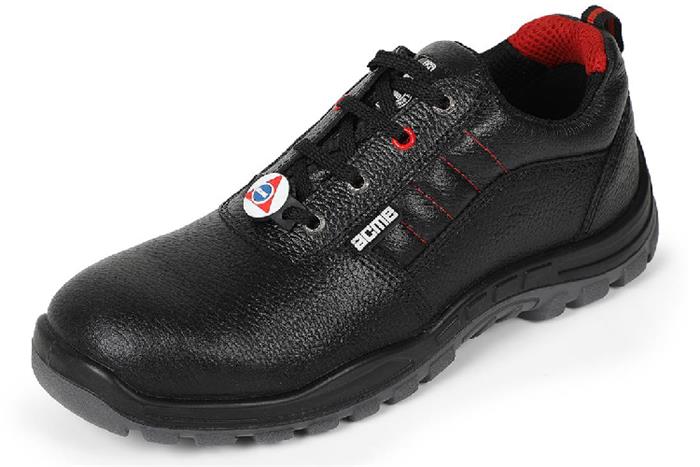
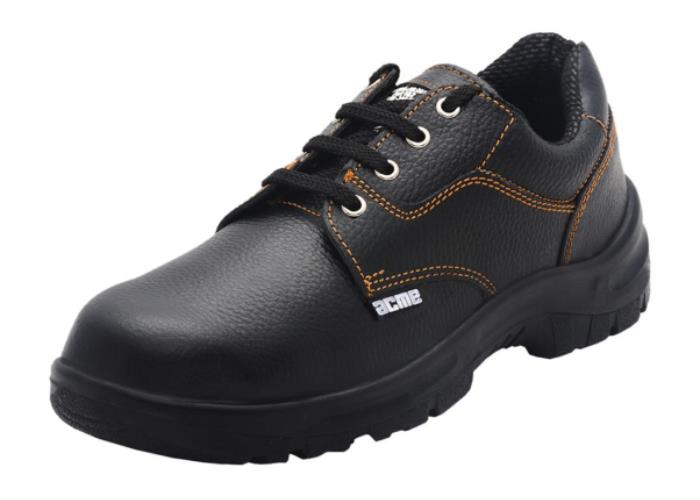
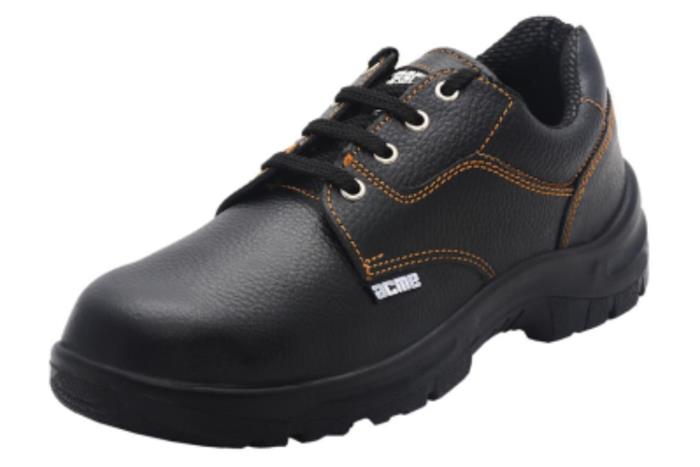
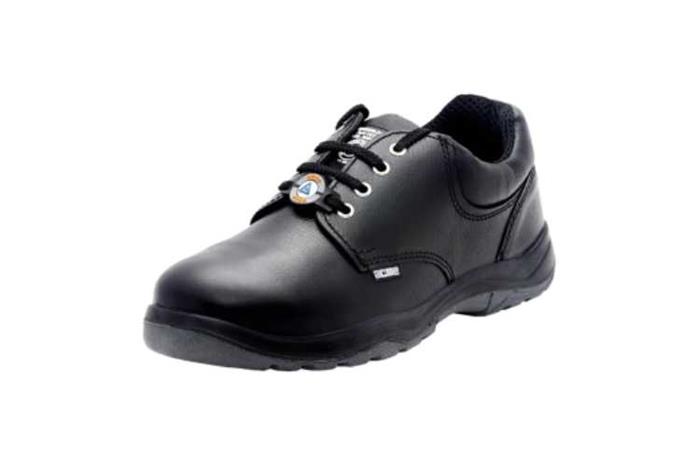
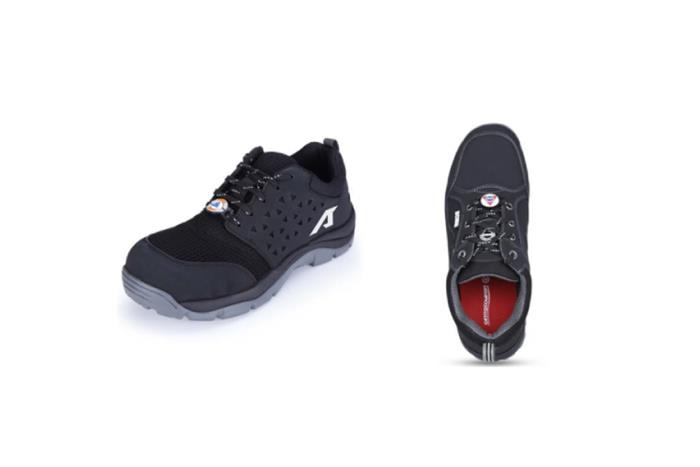
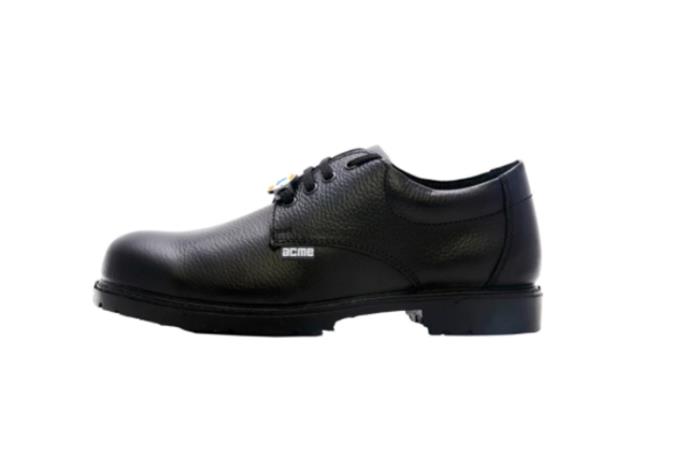
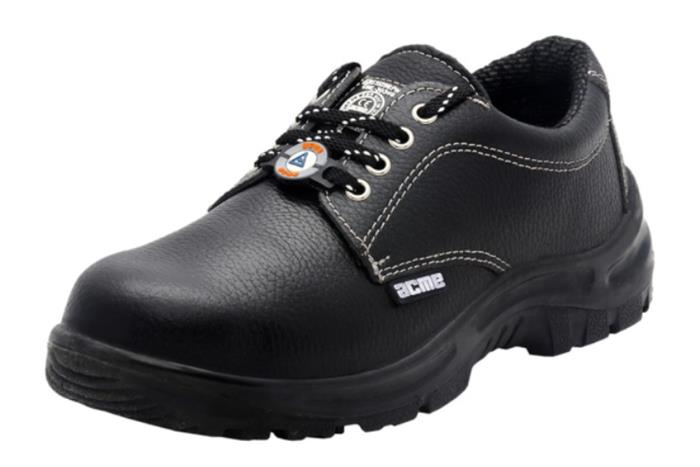
There are several double-density safety shoes available from ACME:
- VELO V2: Double-density BASF PU-BASF PU sole.
- STURDY V2: Double-density BASF PU-Rubber sole.
- STYRIA V1: Double-density Phylon-Rubber sole.
These combinations demonstrate how double-density construction can be adapted for different industrial footwear requirements.
What is a Triple Density Safety Shoe Sole?
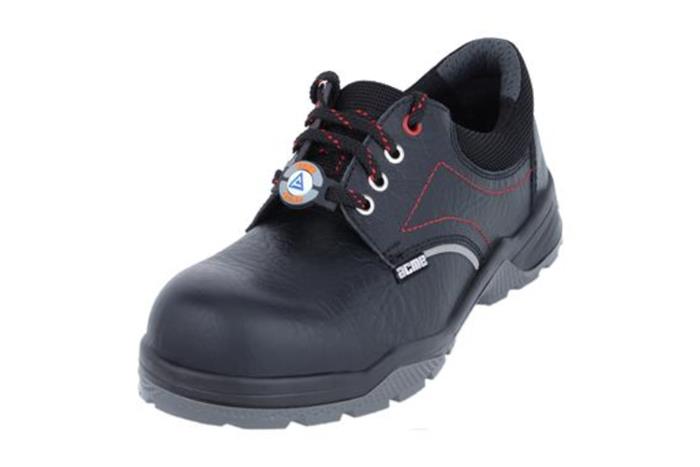
Triple density safety shoe sole is a combination of three materials or densities in one sole. This allows manufactures to use a combination of any three materials in a sole depending on the desired product.
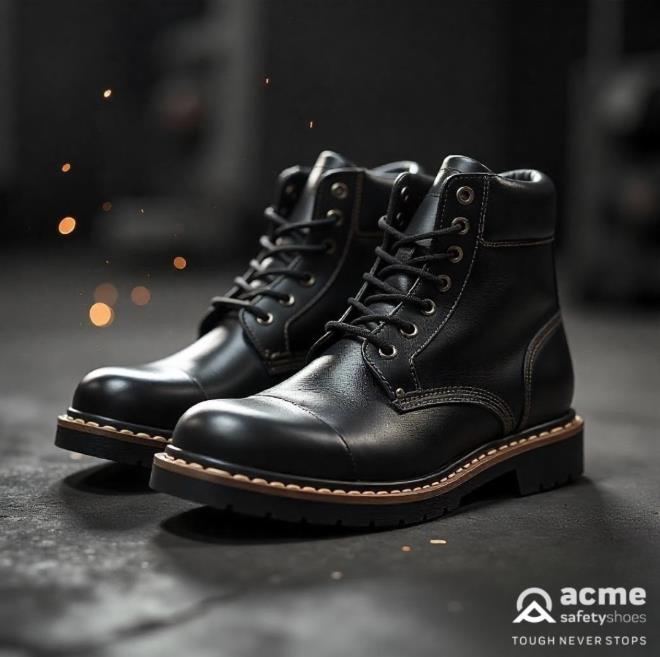
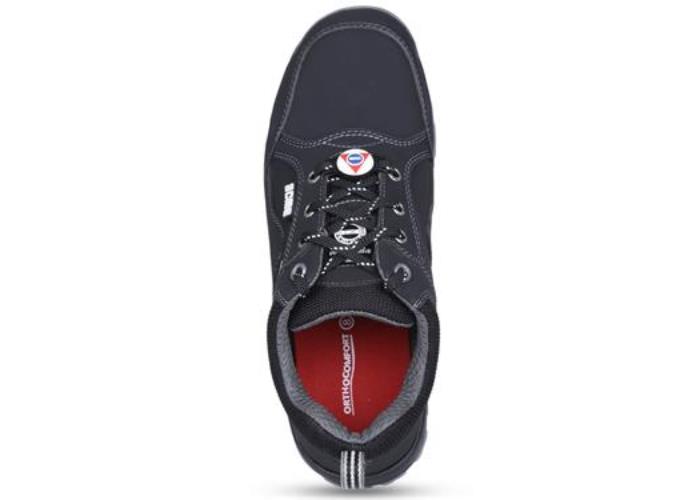
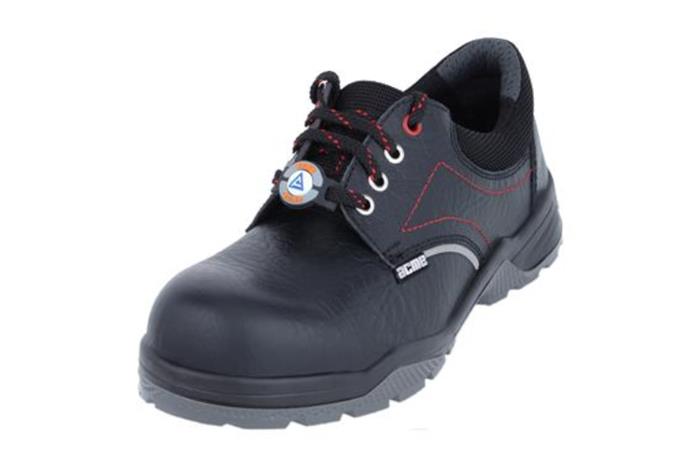
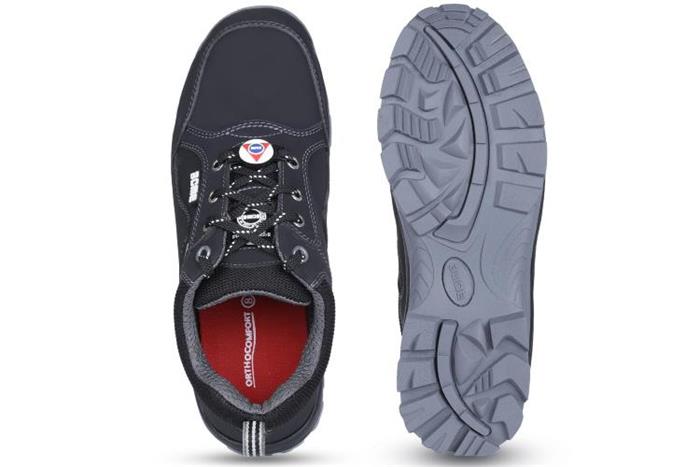
For example, the ACME’s MONTOV V1 safety shoe sole has a triple density BASF PU-BASF PU (TPU Skin)-TPU sole.
It has a composite fibreglass toe cap with impact resistant capacity of 200 joules, water repellent microfiber uppers, breathability PERMASPUN lining, and an Orthocomfort footbed.
Triple Density vs Double Density: Key Differences
Both constructions are used in industrial safety footwear, but their material combinations differ.
| Parameter | Double Density | Triple Density |
| Construction | Two material layers or densities | Three material components or densities |
| Material combinations | PU-PU, PU-rubber, Phylon-rubber | BASF PU, BASF PU with TPU skin, TPU |
| Design | Combines two material components | Incorporates three material components |
| Material flexibility | Two components can be selected for specific requirements | Three components allow additional material combinations |
| Performance | Depends on material composition and construction | Depends on material composition and construction |
| Applications | Varies by model and workplace | Varies by model and workplace |
The biggest difference is the number of material components used in the sole. However, an additional layer does not automatically make a safety shoe more durable, comfortable or slip-resistant. Those qualities depend on the materials, sole design and tested performance.
Advantages of Double Density Safety Shoes Soles
One of the benefits of the double density feature is that manufacturers will have the freedom to use two materials which may vary from one another. The following are among its advantages:
1. Balanced materials construction
Various materials can be used for specific purposes in the sole. For instance, PU and rubber materials can be combined for industrial use.
2. Various material constructions
Double density soles can be made with various material combinations. ACME makes its products with BASF PU-PU, BASF PU-rubber and Phylon-rubber.
3. Various types of workplace
The effectiveness of the sole will depend on its actual properties. For instance, ACME’s STURDY V1 model has a sole with BASF PU-rubber material, which has an SR slip resistance and oil, chemicals and fuel resistant. This material is resistant to 300 degrees centigrade for one minute.
Advantages of Triple-Density Safety Shoes Sole
Triple-density construction ensures that three layers of materials can be used in one sole design. It provides further flexibility for design purposes where the shoe will meet certain industrial needs.
1. Three layers of materials
It is possible to use three different materials in the sole design unlike two materials.
2. Broader choice of materials
The material choice for each layer is based on the design requirements. In this case, different properties of the materials can be used in one sole.
3. Designing soles for specific application
It is possible to design triple-density soles for specific industrial applications. For instance, the design of MONTOV V1 by ACME uses BASF PU-BASF PU (TPU Skin)-TPU soles for engineers working in various industries like engineering, manufacturing, metals and mining, petroleum, oil and gas and automobiles.
Which One Should You Choose?
It all depends on the working conditions and the level of protection you need from the shoes. Before buying your safety shoes, take into consideration the following:
- Working conditions: Specify what industry the shoe is to be used in, and how the working conditions will be.
- Floor conditions: Take into account what slip-resistance is necessary for the surface you’ll be walking on.
- Resistance: Think about if your sole needs oil-resistant, chemical-resistant, fuel-resistant or heat-resistant materials.
- Comfort: Take a look at the footbed, comfort and support your feet need in long hours of work.
- Certification: Check what kind of certification the model has before purchasing.
ACME STURDY V1 has a double density BASF PU-rubber sole resistant to oil, chemicals and fuel. MONTOV V1 is triple density. Each of them meets its own product requirements.
Remember that the choice should depend not only on the shoe specification but also on your working conditions.
Conclusion
Both double-density and triple-density soles are widely used in industrial safety footwear. Which type should be chosen is determined by materials, conditions in which shoes should perform and their required performance. Choose the perfect construction of safety footwear at ACME’s website.
Frequently Asked Questions
Double density shoes have soles with two material layers or densities. Triple-density soles have three material layers or densities in their construction. Performance is determined by the materials and construction itself.
Not always. The durability of the sole depends on the materials, outsole construction, bonding, and wear resistance. Having three materials in the sole does not mean that the sole will be more durable.
Popular materials for soles include PU-PU, PU-rubber and Phylon-rubber. The combination of materials may vary depending on the model of safety shoes.
A sole with three material layers or densities. ACME’s safety shoe MONTOV V1 has a triple density sole made of BASF PU, BASF PU with TPU skin and TPU.
