








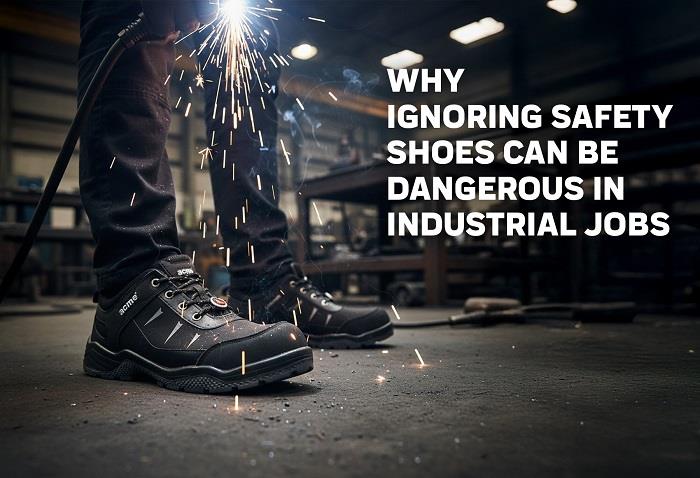
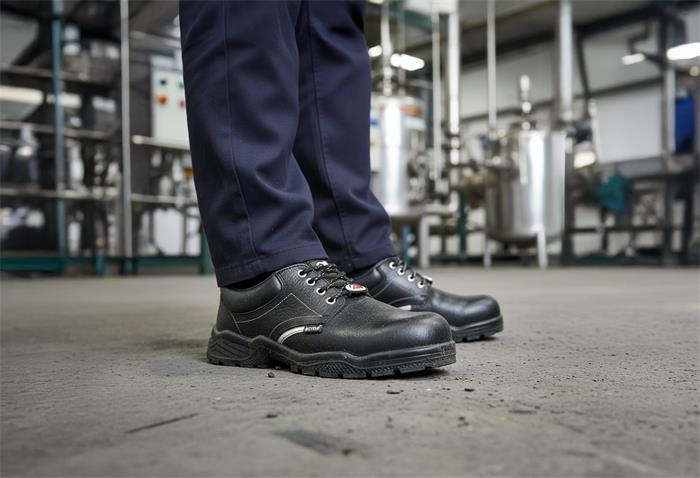
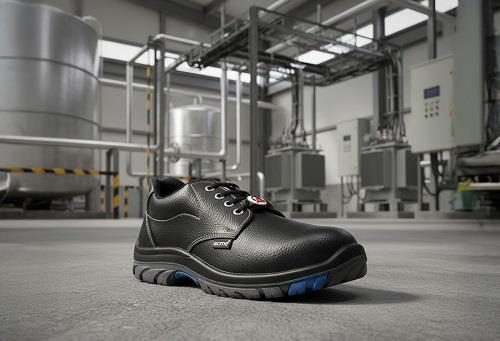
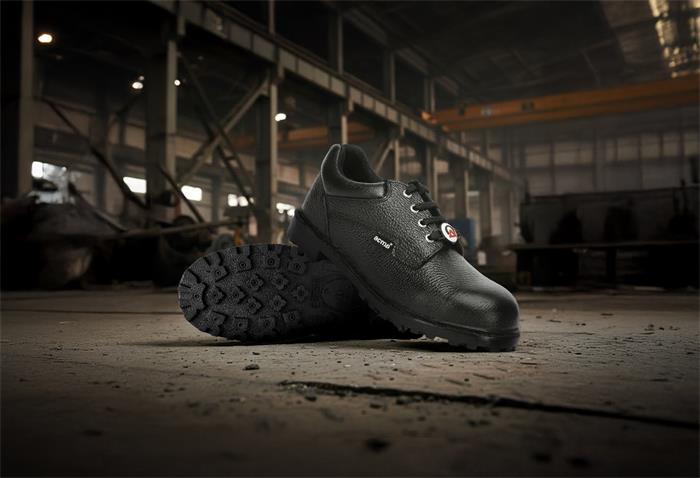






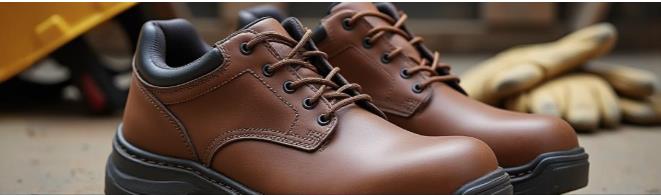
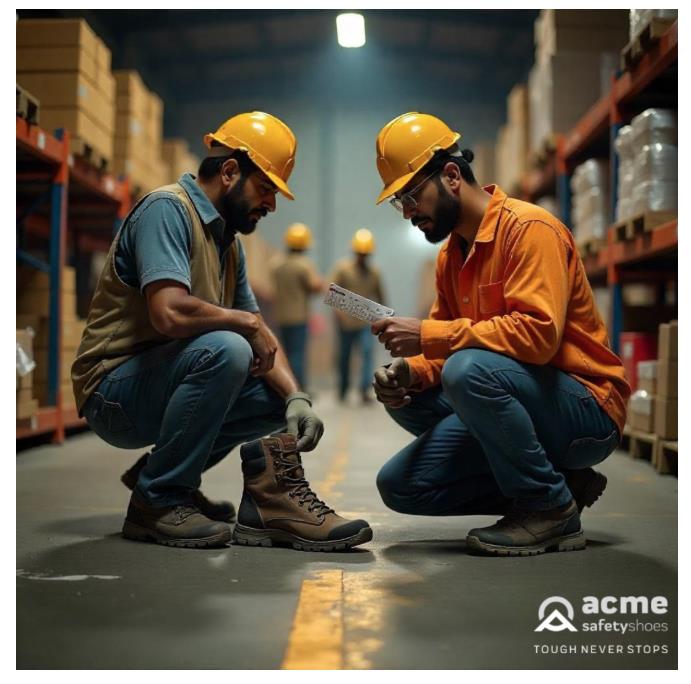
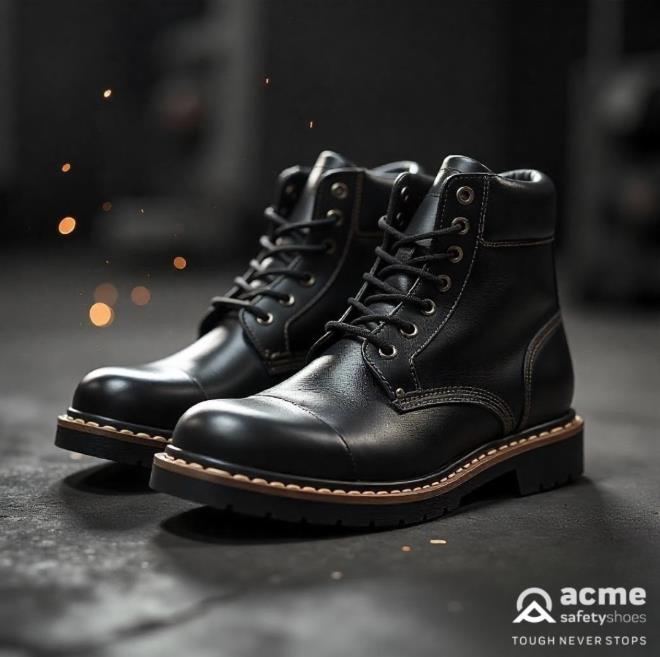

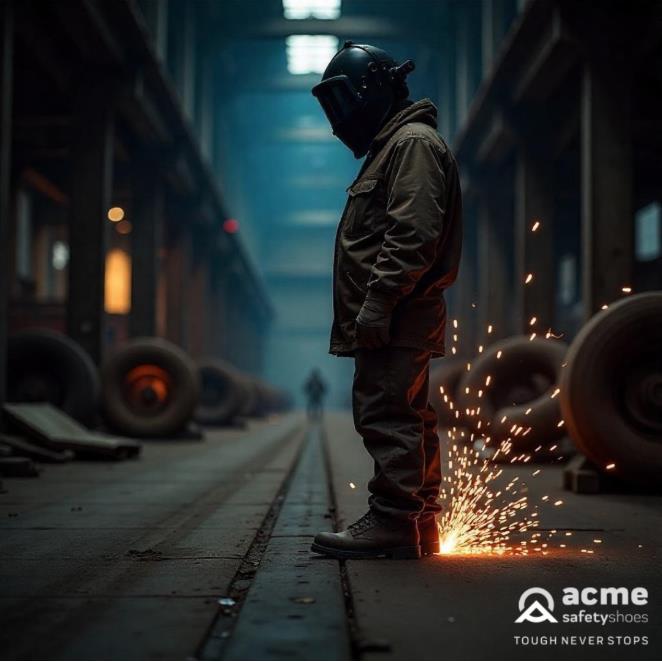
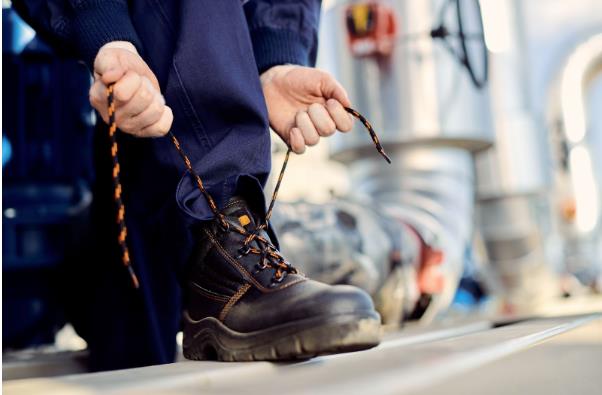
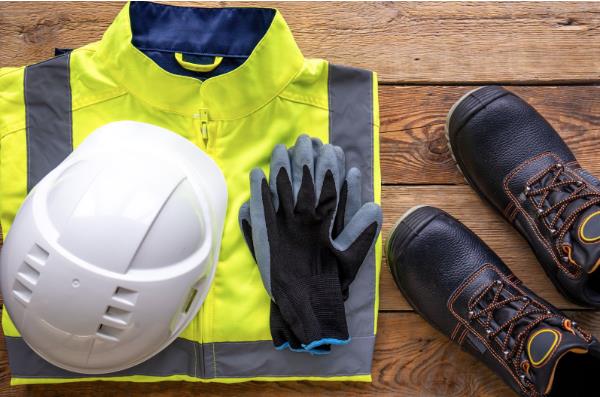
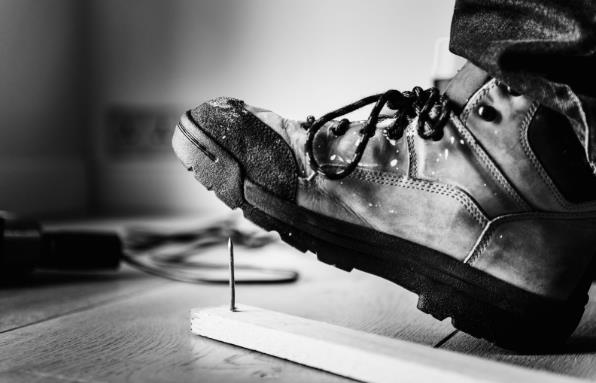





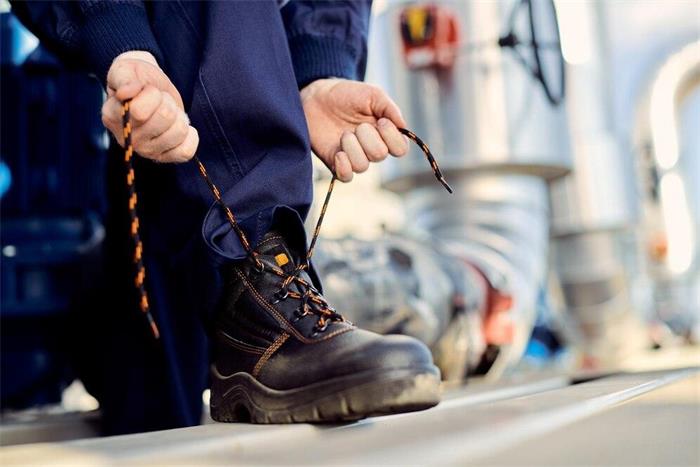
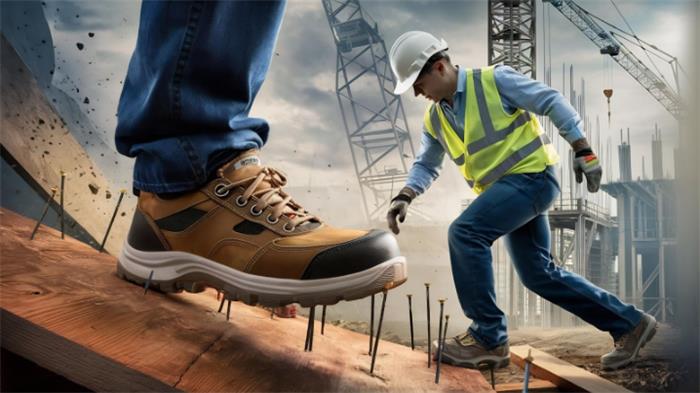
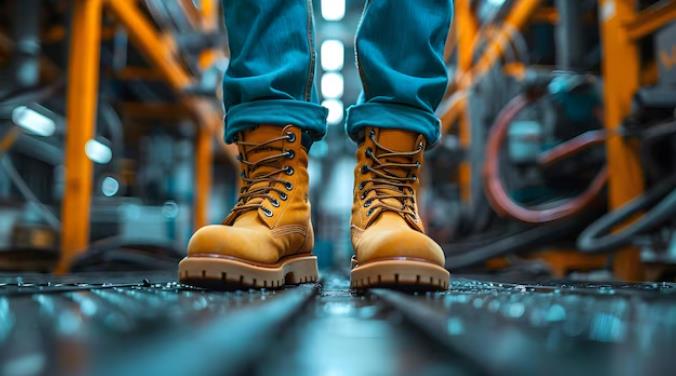
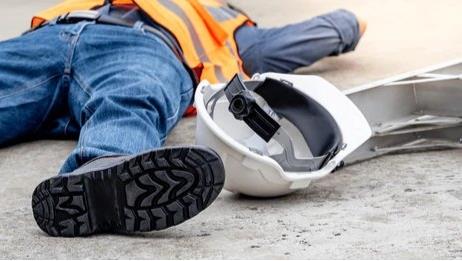
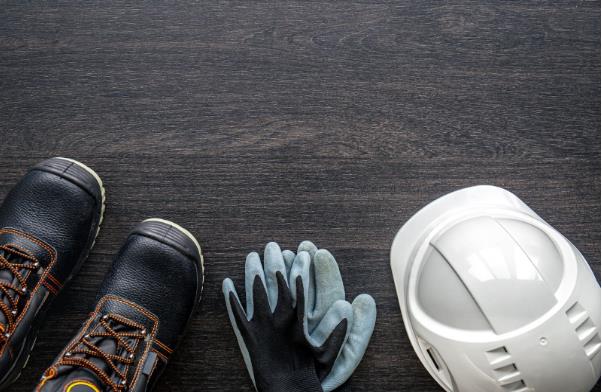




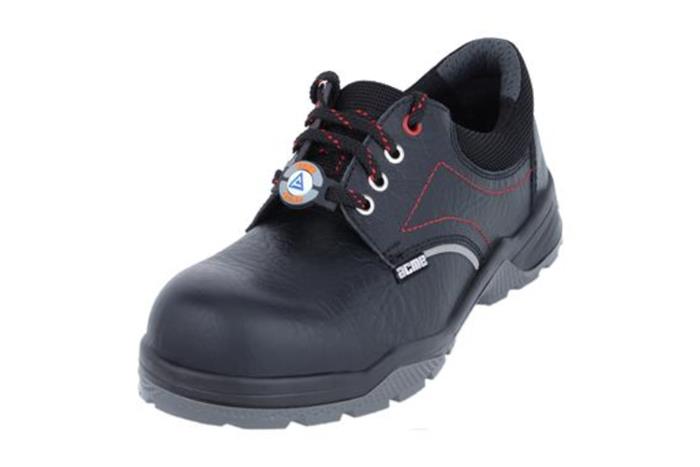
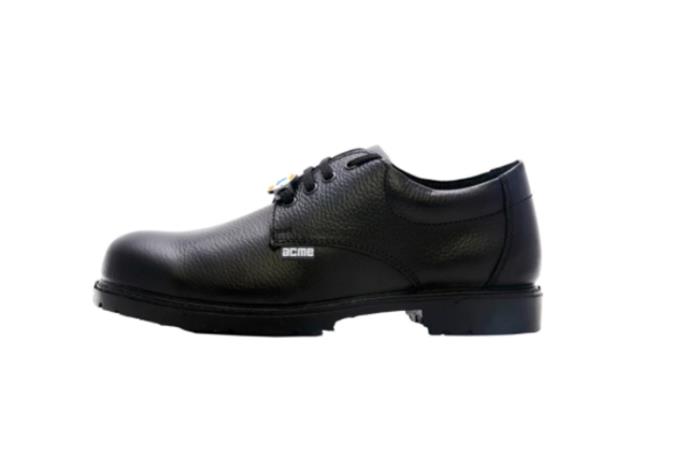
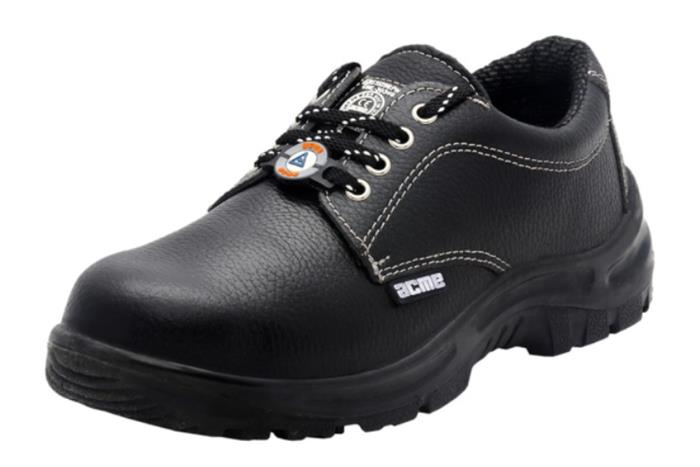
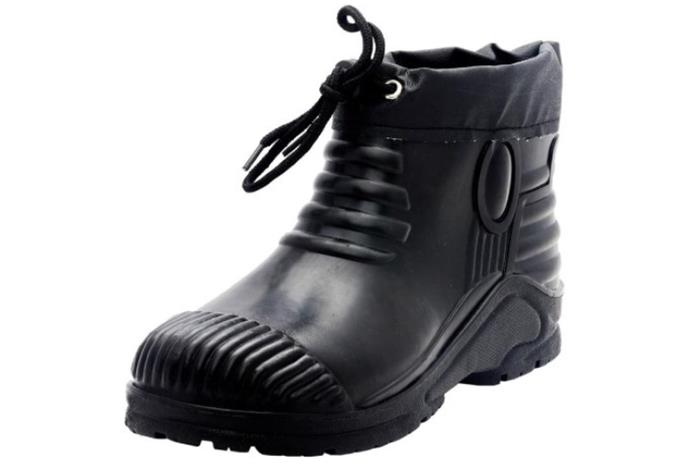
Work in the oil and gas sector may imply numerous dangers such as slippery surfaces, oil spills, dangerous substances, hot surfaces and falling objects. Therefore, people should choose safety shoes that will correspond to the particular danger as well as provide maximum comfort.
When selecting the right pair of oil and gas safety shoes, you should first understand the required protection, read the product specification and ensure that the footwear meets all the safety standards. Here are seven characteristics that you should take into account.
Why Is It Important to Wear Safety Shoes in the Oil and Gas Sector?
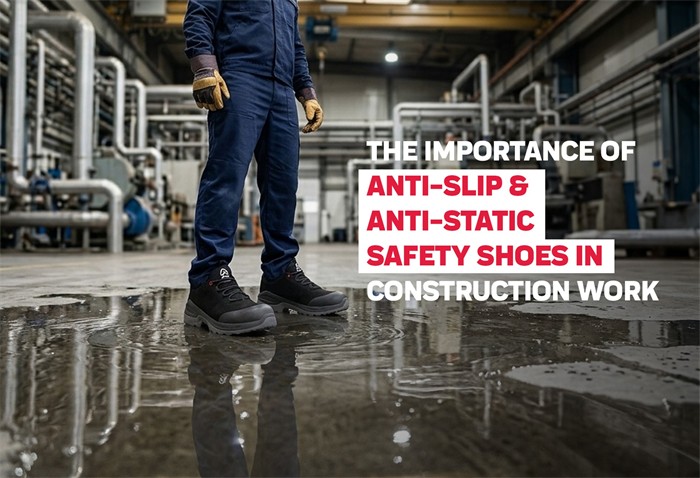
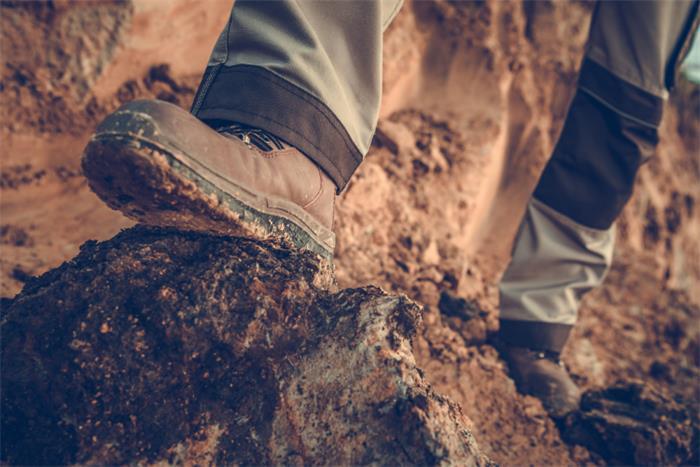
Oil refineries, drilling platforms, processing plants and storage facilities may involve many different dangers to people working there. Spills of oil and fuel make surfaces slippery while the usage of heavy tools and equipment may cause injuries caused by impact. Some places may also have high temperatures and moisture as well as certain dangerous substances.
Safety footwear will reduce these risks to a minimum provided that it corresponds to the particular workplace. It will protect your feet and improve stability while wearing during working hours.
7 Must-Have Features in Oil & Gas Safety Shoes
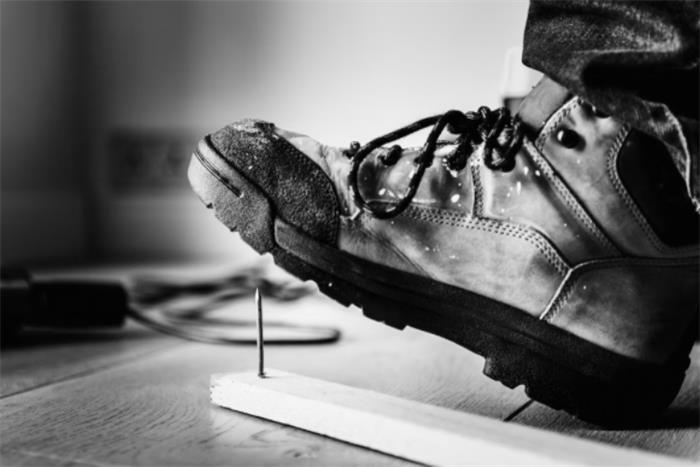
1. Protective Toe Cap for Foot Impact Resistance
Safety footwear in oil and gas facilities protects workers’ feet from heavy equipment, falling objects, and tools.
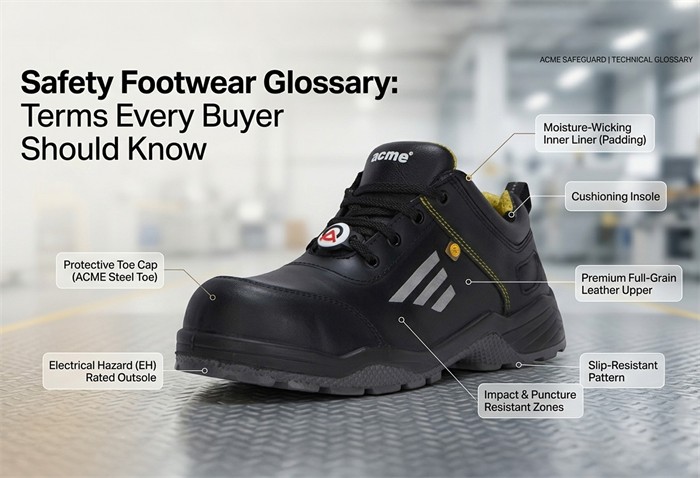
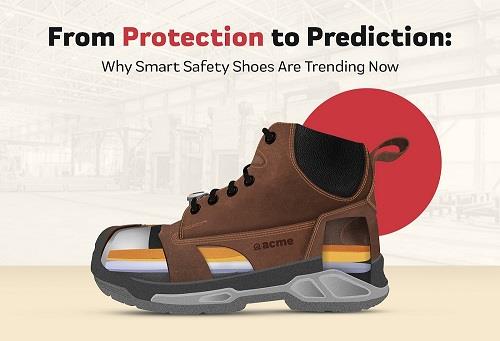
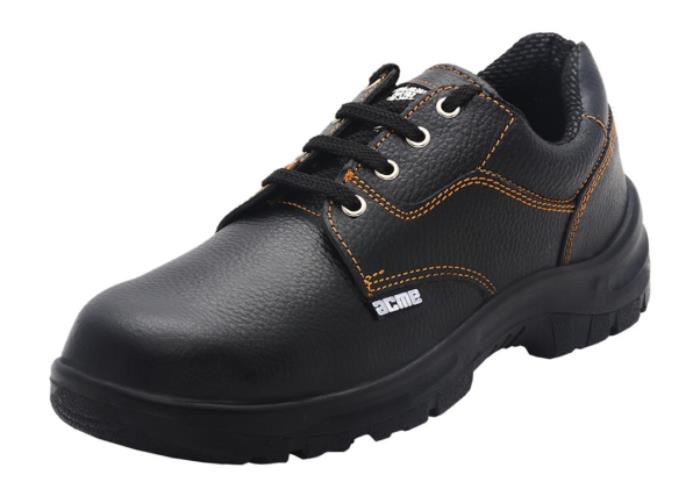
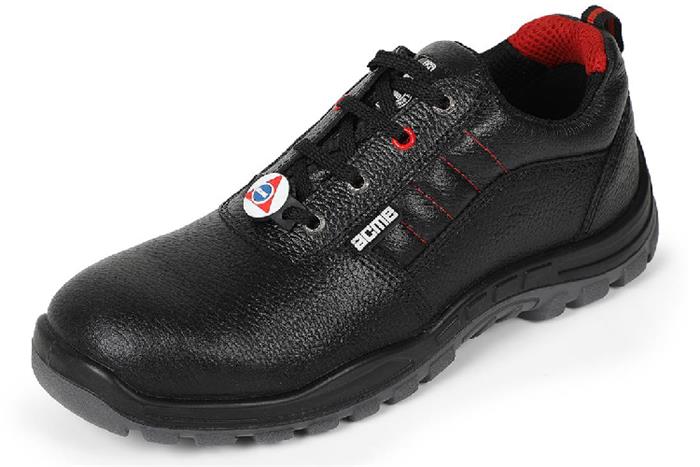
Toe caps made of steel and composite materials are among the most popular options. For instance, ACME’s GASPORT V2, TURBO V2 and STURDY V1 models provide 200 joule protection.
If you need a shoe with non-metallic construction, then you may choose a safety shoe with composite toe cap.
2. Oil and Gas Resistance
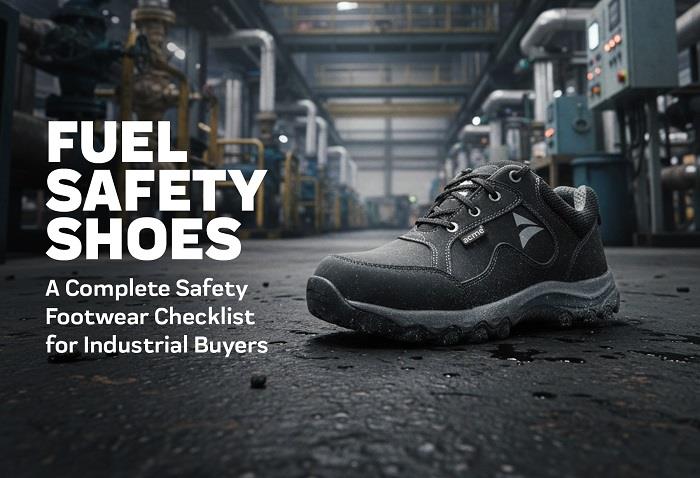
Spills and leaks are frequent situations in oil and gas industry. Oil and fuel resistance is a must-have characteristic of the safety footwear in petroleum facility.
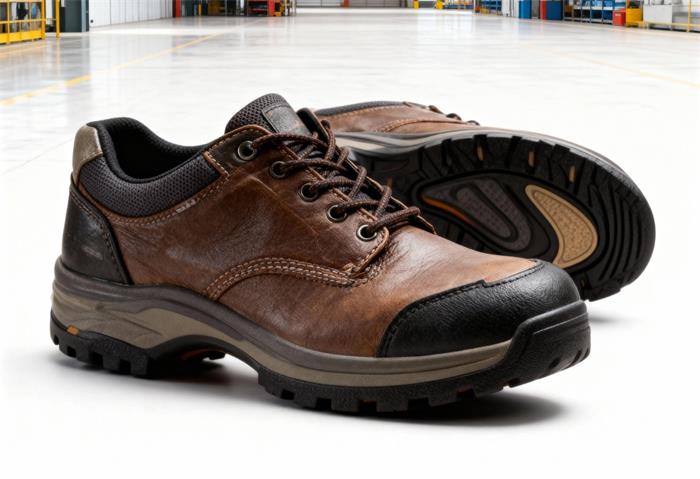
Choose shoes with oil and gas resistant outsoles. Some ACME models, such as GASPORT V2 and VELO V2, are oil, fuel and chemical resistant.
Keep in mind that the degree of resistance depends on the material and chemical, and you should always check the product specifications to find whether it meets your needs.
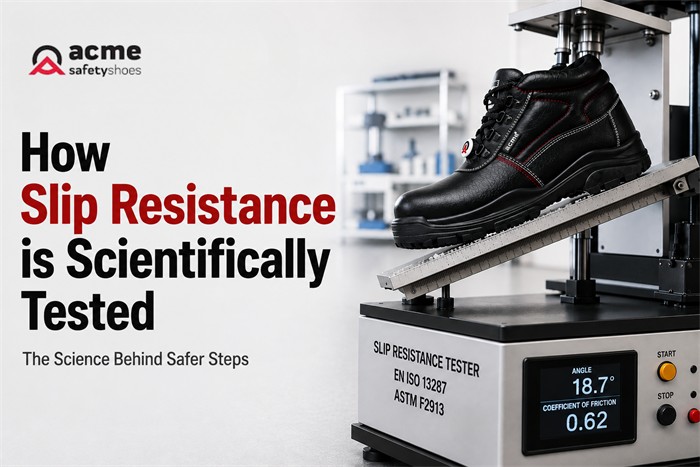
3. Slip-Resistant Sole
Uneven or wet floor is a potential source of slips. Slips can lead to accidents and injuries, therefore, slip-resistant shoes can help minimize the risk.
Soles should be designed for optimal slip resistance. ACME footwear such as GASPORT V2 and TURBO V2 provides slip-resistant solutions.
The footwear should meet the characteristics of the flooring and working conditions. Slip-resistant shoes should be properly maintained.
4. Antistatic Features
In some cases, static electricity may become a potential ignition source in the environment where flammable materials are handled. Antistatic safety shoes may help prevent static discharges in a proper manner.
However, there is a difference between antistatic shoes and electrically insulating shoes. Therefore, it is essential to consider the electrical and ignition safety requirements of the work site when choosing shoes.
5. Heat-Resistant Outsoles
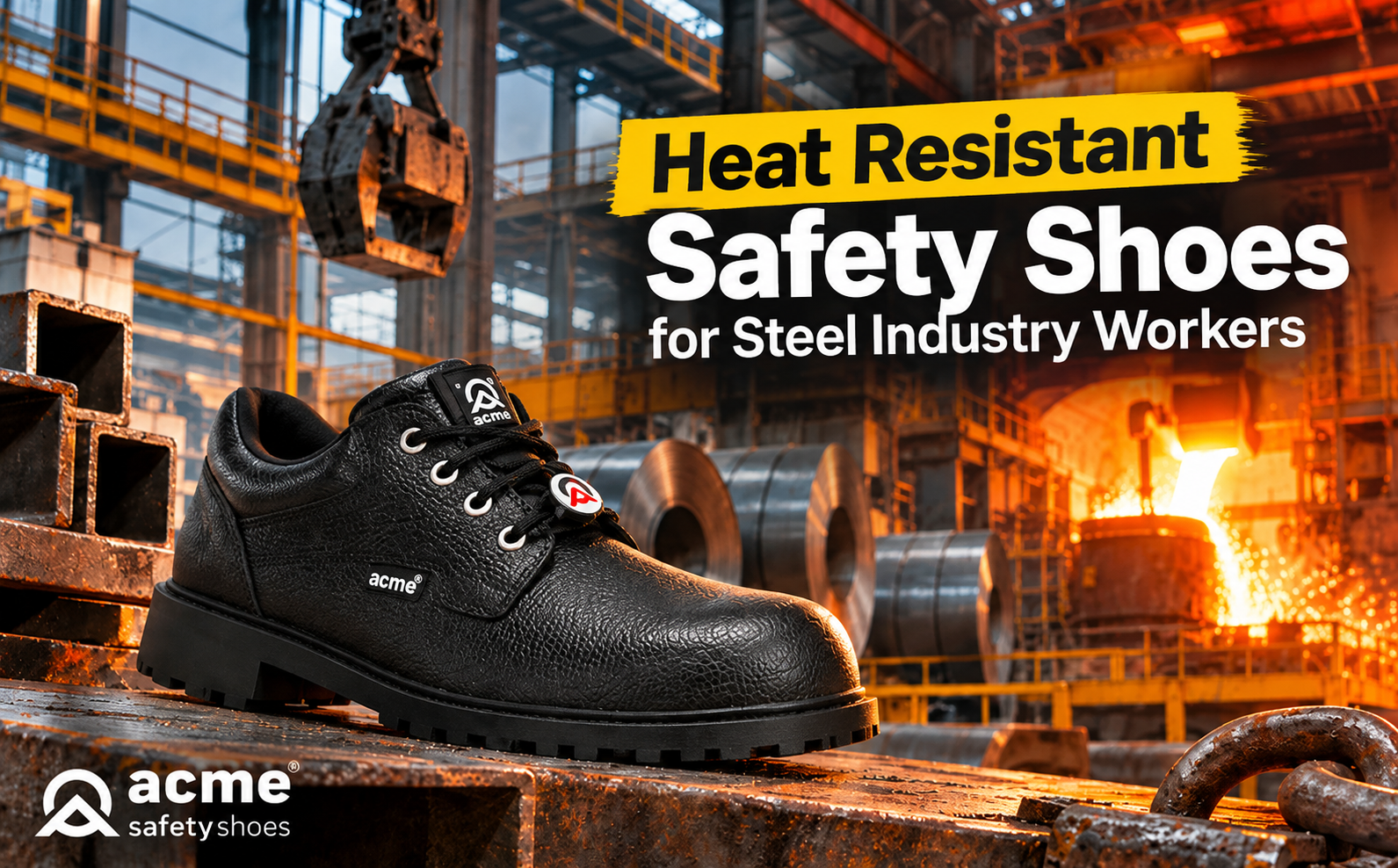
In some cases, oil and gas operations may involve hot surfaces. Therefore, heat-resistant soles may increase the durability of the footwear within a limited temperature range.
For instance, ACME’s TURBO V2, STURDY V1 and GASPORT V2 are characterized by heat resistance of up to 300°C for one minute.
Nevertheless, this specification does not imply that the shoes may be used in such temperatures continuously. Always verify the specific test conditions.
6. Water-Resistant Uppers
Workers may get wet from rain, dampness of surfaces, and occasional splashes. Water-resistant uppers could reduce the penetration of water into the shoes and make wearing them more comfortable.
GASPORT V2 and MONTOV V1 have water-repellent uppers. It is essential to remember that water-repellent and waterproof are not synonymous. Select shoes with necessary water protection.
7. Breathable Linings and Comfortable Footbeds
Oil and gas industry professionals may spend considerable time standing and moving about. Improper footwear may lead to uncomfortable sensations.
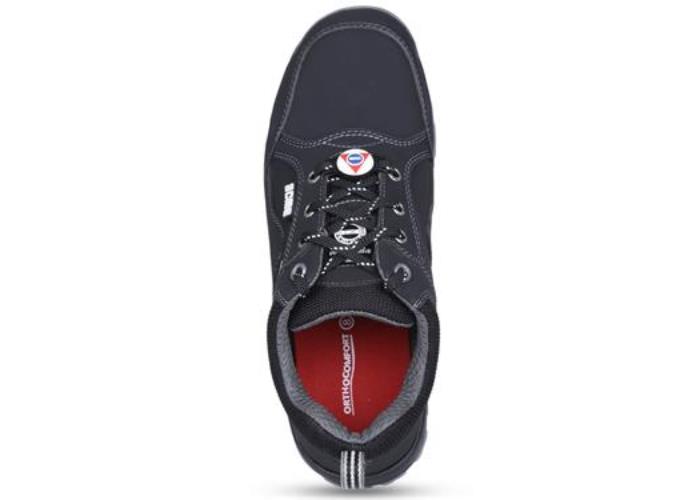
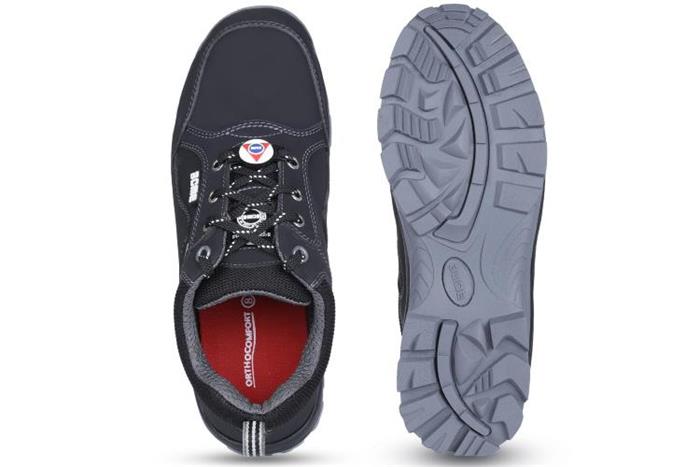
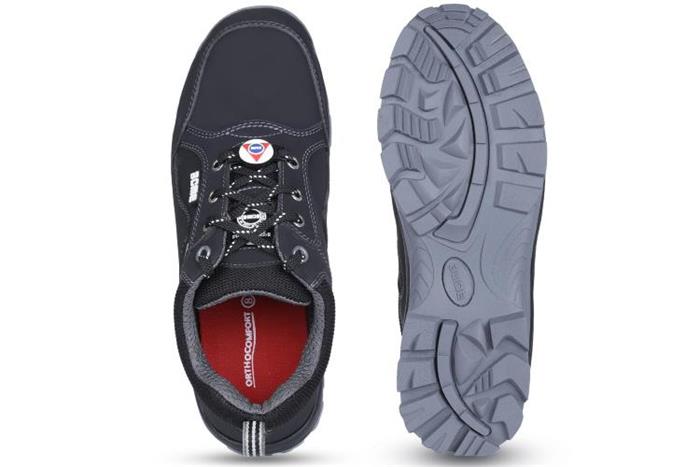
Breathable linings, moisture absorption, comfortable footbeds and proper fit are among desirable features. ACME safety shoes offer PERMASPUN lining and footbed materials such as Ergocare memory foam and Orthocomfort, depending on the model.
Comfort needs to complement protection rather than replace it. The shoe needs to fit well and to be suitable for the worker’s activity.
Which ACME Safety Shoes to Choose
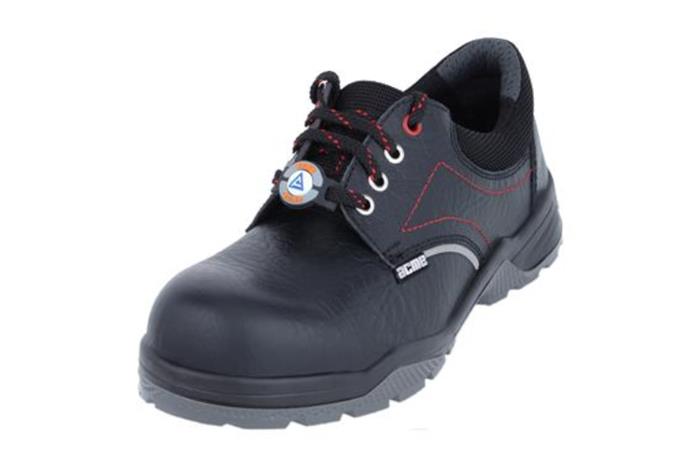
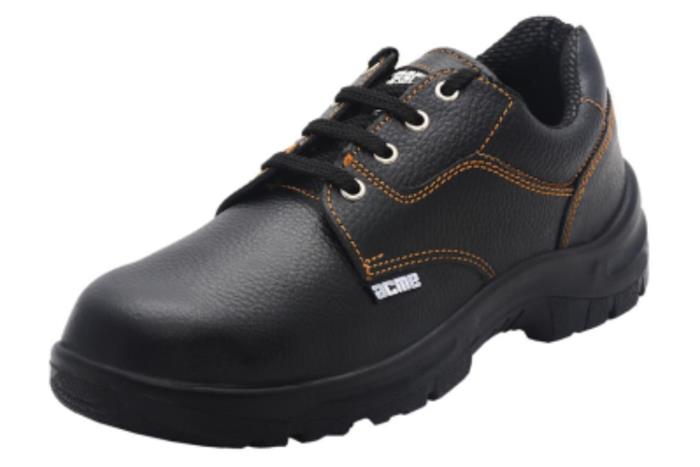
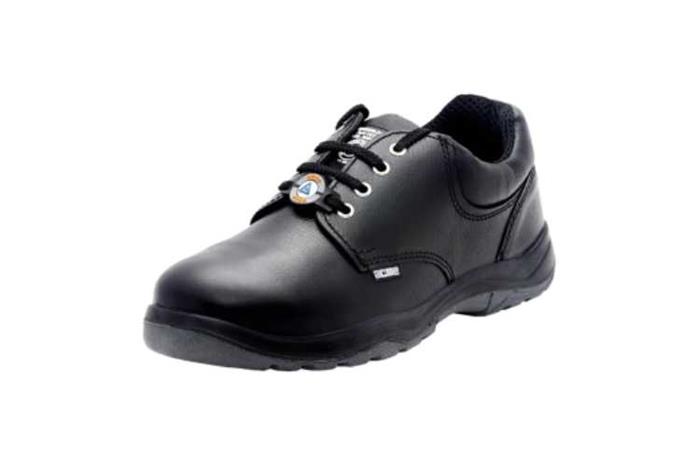
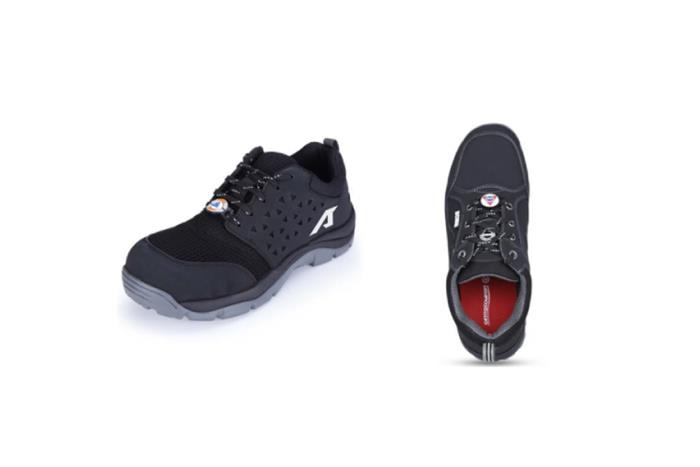
The list below gives examples of safety shoes for different kinds of activity. The following models are provided:
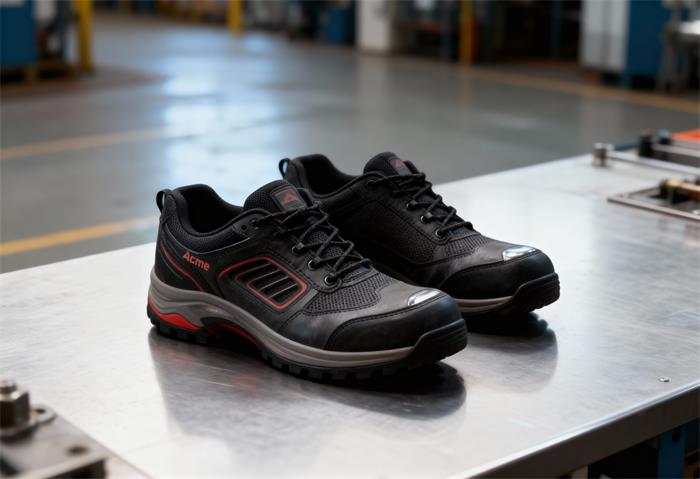
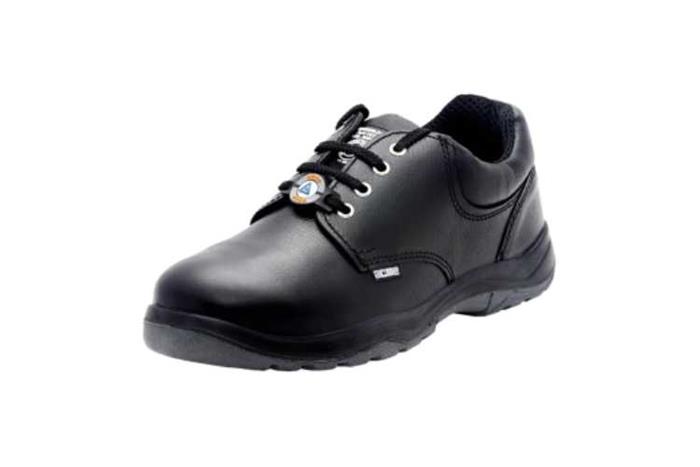
- GASPORT V2: composite toe cap, oil/chemical/fuel-resistant sole, slip-resistance, antistatic properties and heat resistance of up to 300 degrees for 1 minute.
- TURBO V2: Composite toe cap, water-repellent upper, slip-resistant sole, heat resistant up to 300°C for one minute.
- STURDY V1: Steel toe cap, oil/chemical/fuel-resistant sole, slip and heat resistant up to 300°C for one minute.
- TRITON V1: Steel toe cap, waterproof upper, antistatic and slip-resistant sole, as well as oil/fuel/chemical resistance.
- VELO V2: Free from metals, composite toe cap, antistatic footwear, oil/chemical/fuel-resistant slip-resistant outsole. Heat resistant up to 120°C for one minute.
These features are particular for the above models. Refer to current specifications and certification of each of the products prior to making your choice.
Selection of Oil and Gas Safety Shoes
When selecting appropriate safety shoes take into account the following factors:
- Workplace hazards: check whether there is a presence of oil, fuel, chemicals, heat, falling objects and slippery surfaces.
- Required protection: select proper toe protection, sole resistance and other features depending on the type of work.
- Certification: make sure that the exact model complies with certain safety standards.
- Fit and comfort: choose the shoes which will provide enough support during the whole worker’s shift.
- Inspect and maintain footwear: Replace any footwear that has become damaged and abide by the manufacturers guidelines.
There is no such thing as an automatic shoe for every oil and gas job. The selection needs to be based on the outcome of the workplace risk assessment.
Frequently Asked Questions
The characteristics can include the ability to resist impact, slipping, oil, fuel, static electricity, heat and having a comfortable inner lining. They depend on the specific hazards.
They can be appropriate if they provide adequate level of protection from impact and other hazards. The total rating is more important than the material of toe caps.
No, they are not electrically insulating. Anti-static shoes are designed to prevent static accumulation, while electrically insulating shoes are for a completely different hazard. Follow the site instructions.
You should replace them whenever any part of them becomes unsafe to use. This may occur due to damage or wear. Follow the manufacturer’s recommendations.
Conclusion
Choosing the right oil and gas safety shoes is essential for protecting workers from workplace hazards while ensuring comfort during long shifts. By assessing site-specific risks and checking features such as toe protection, slip resistance, oil resistance and heat resistance, businesses can select suitable footwear for their teams. ACME offers a range of safety shoes designed to meet different industrial requirements.
