















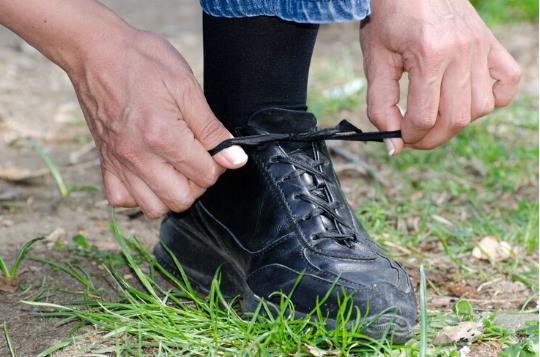
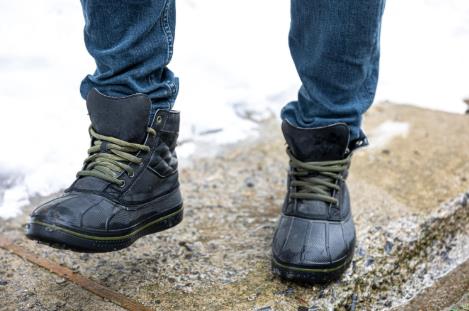
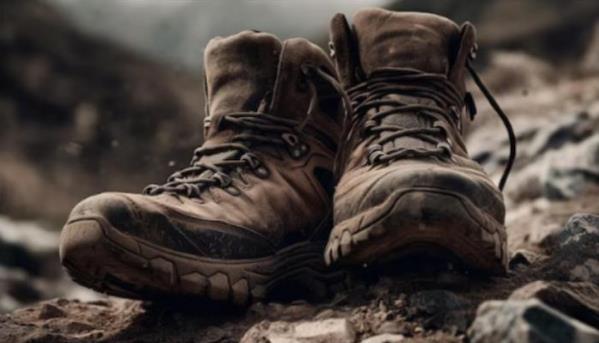




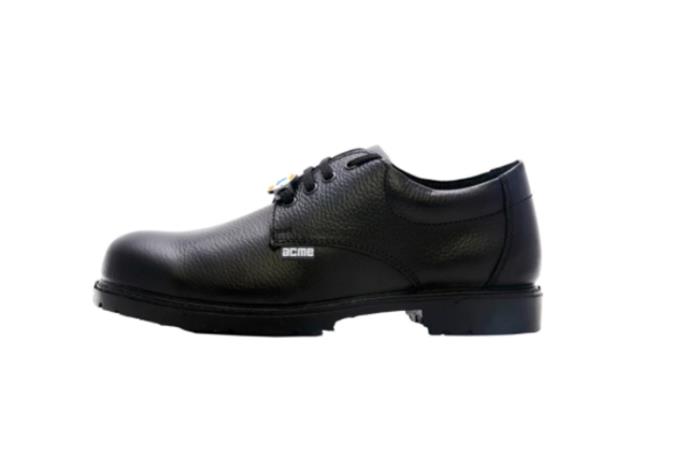
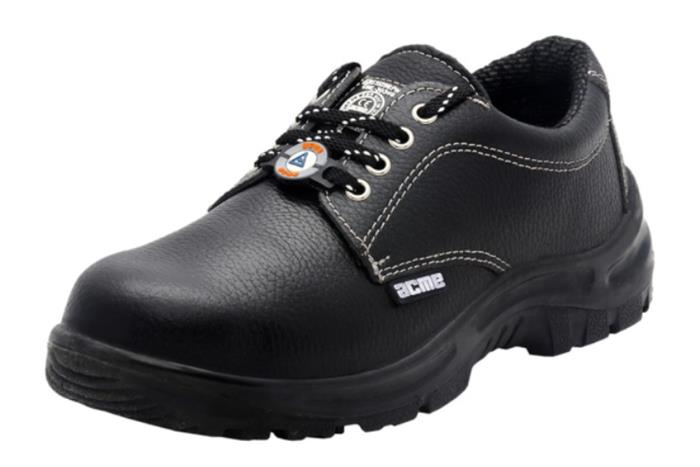
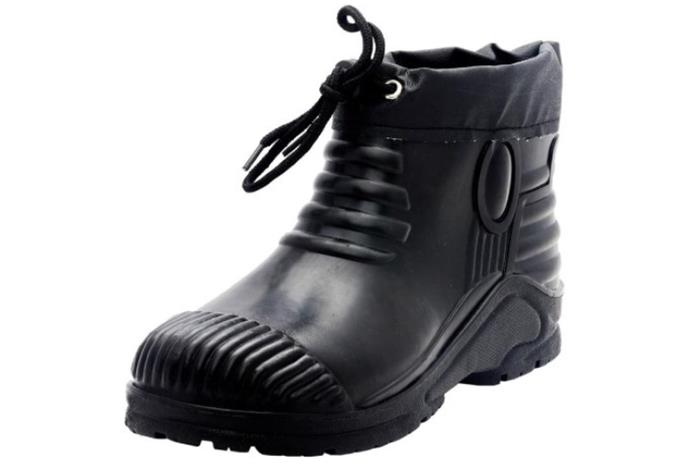
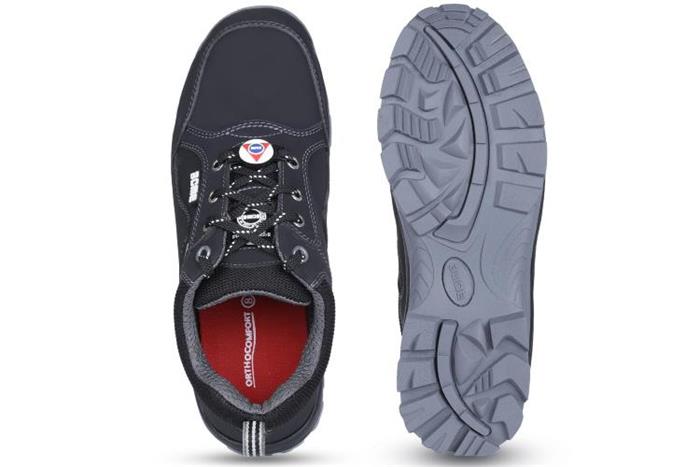
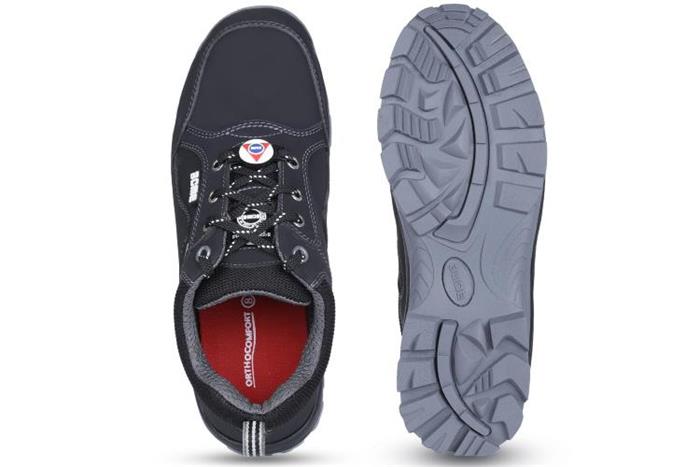

Sustainability adds an environmental consideration to footwear design. It does not automatically make a shoe safer, more durable or suitable for every workplace.
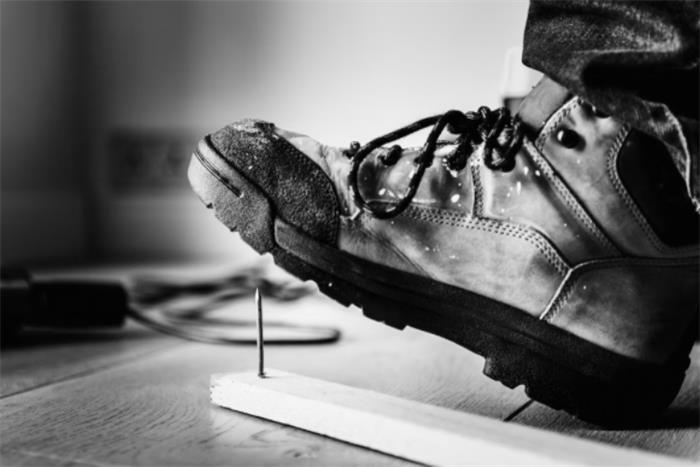
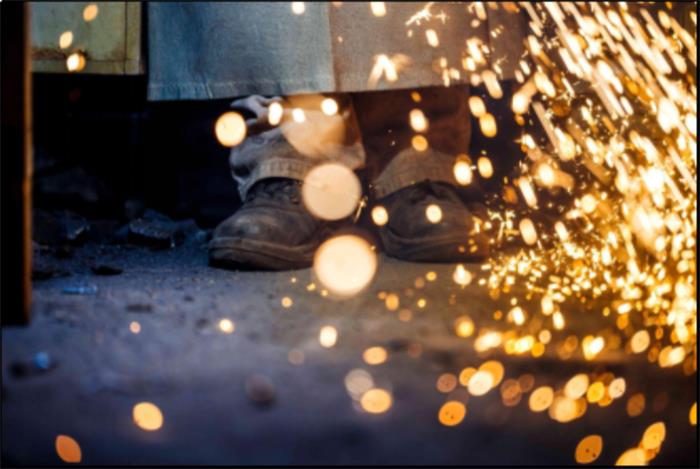
Safety shoes protect workers against dangers posed by their work environment including falling objects, wet floors, or any other dangerous substances. Nevertheless, is it sustainable to do so?
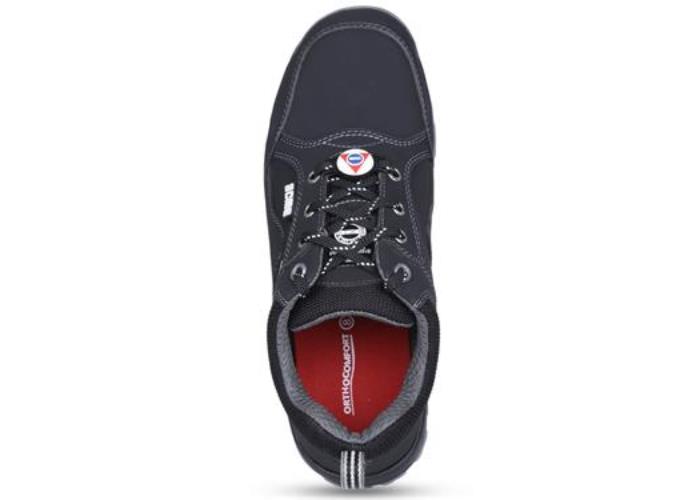
Sustainable safety shoes include the combination of workplace protection techniques and the application of environmentally conscious materials, manufacturing process, and waste reduction.
In the current paper, we will discuss the nature of sustainable safety shoes, their environmentally friendly qualities, and the approach of ACME in producing such shoes.
Key Takeaways
- Sustainable safety shoes combine workplace protection with more responsible material choices, efficient manufacturing and waste reduction.
- Eco-friendly safety shoes may use recycled PU, recycled textiles, composite materials and bio-based components.
- Sustainable safety footwear can help reduce environmental impact through material reuse, resource efficiency and better waste management.
- Recycled safety shoes must still meet the applicable safety standards for impact protection, slip resistance and other workplace hazards.
- Environmentally friendly safety shoes should be evaluated based on material transparency, durability, manufacturing practices and end-of-life recovery options.
- ACME reports sustainability initiatives including rooftop solar energy, rainwater harvesting, production waste recovery and the reuse of scrap materials.
- Choosing sustainable safety shoes requires balancing environmental considerations with the protection and durability needed for the job.
What are Sustainable Safety Shoes?
Sustainable safety shoes are protective footwear manufactured in a green way in respect of material usage, production process, and waste management.
The following features can be identified in sustainable safety shoes:
- Recycled materials: Applied to various shoe elements such as outsole, lining, or toe caps.
- Bio-based materials: Comprised of partially biological elements.
- Energy efficiency: Manufacturing process, which consumes fewer materials and energy.
- Waste reduction: Recycling of manufacturing waste for reuse.
- Recoverability at the end of the life cycle: Shoe elements that can be recycled.
It should be mentioned that not all sustainable safety shoes have all of these properties. The level of environmental friendliness and materials depends on the specific product and manufacturing process.
How Are Sustainable Safety Shoes Different from Conventional Safety Shoes?
The main difference lies in the approach to materials, manufacturing and waste management. Both types must provide protection appropriate to the hazards of the workplace.
| Factor | Conventional Safety Shoes | Sustainable Safety Shoes |
| Materials | May use predominantly virgin materials | May incorporate recycled or bio-based materials |
| Manufacturing | Practices vary by manufacturer | May prioritise resource efficiency and waste reduction |
| Waste management | Depends on production processes | May include reuse, recycling and material recovery |
| End-of-life | Recovery options vary | Some components may be designed for recovery |
| Safety | Must meet applicable requirements | Must also meet applicable safety requirements |
What Kind of Materials Can Be Used to Make Eco-Friendly Safety Footwear?
There are a variety of possible combinations between traditional, recycled and bio-based materials that can be used for eco-friendly safety shoes.
1. Recycled Polyurethane (PU)
Recycled PU can be used for making outsoles and other parts of footwear. This material can help reuse the recovered material without using only the fresh inputs.
2. Recycled textiles
Recycled fibers can be used to make linings or other textile parts, thus reducing the amount of the needed virgin textile materials.
3. Recycled composite materials
Composite toe caps of some safety shoes can be made from recycled or bio-based material inputs. But the end product should give the necessary protection against impacts.
4. Bamboo parts
Bamboo can be used for making insoles or linings. Depending on how the bamboo is produced and processed and what materials it is mixed with, its environmental effect will vary.
5. Bio-based materials
This type of material is partially based on renewable biological resources and can replace some conventional material inputs.
A shoe does not have to be made entirely from recycled materials to incorporate sustainable design choices. However, manufacturers should clearly identify which components contain recycled or bio-based materials.
How does sustainable safety footwear reduce the environmental impact?
The environmental impact of footwear is not limited only to the final product. The manufacture involves the consumption of energy, water and raw materials as well as generation of waste and emissions during manufacturing and transportations.
- Solar energy: ACME claims that the installation of 300 kW rooftop solar system that produces 45,000 kWh of electricity per month provides about 20 percent of all the company’s energy needs.
- Water savings: ACME mentions that its rainwater harvesting system collects about 60 lakh liters annually.
- Efficient use of energy: it includes efficient lighting, BLDC fans and reflective smart glass.
- Recycling: ACME mentions segregation, recycling and recovery of material including leather, rubber, PU trim and textiles.
- Reuse of materials: it reports using bonded foam from scrap linings which allows for an annual carbon-footprint reduction of over 40,000 kg compared to using EVA.
- Route optimization: full truck load planning is also mentioned.
The numbers and the initiatives provided above have been taken from ACME’s web-site. The environmental impact of the company depends on the calculation methods.
Together, they show why sustainable safety footwear involves more than the materials used in a single pair of shoes. Manufacturing practices also matter.
Selection of Environmentally Friendly Safety Footwear
To select environmentally friendly safety shoes, one should take into account the level of protection needed for the job and also the environmental considerations.
The following criteria should be considered:
- Assess safety certifications: The appropriate standard, class and protection should be known.
- Evaluate the recycled content: The recycled parts in the product as well as the amount of the same, if disclosed.
- Choose appropriate footwear that will last long depending on the work environment.
- Select products whose composition is specified rather than those with general terms like “100 percent eco-friendly”.
- Evaluate the production process and efforts made towards reducing wastes and resources used during production.
- Ensure the recycling capabilities exist for the selected material.
Bear in mind that recycling capability does not guarantee impact protection, slip resistance or puncture resistance. Always select appropriate footwear for your work environment.
Conclusion
Sustainable safety shoes are safety shoes that integrate workplace safety measures with more responsible approaches towards material usage, manufacturing and disposal. Environmental benefits of such safety shoes go beyond mere recycling content of their materials.
Frequently Asked Questions
Yes, but only if the particular model complies with all safety regulations and standards. The recycled materials themselves do not guarantee the level of protection.
No, because recycled materials can be used only in certain parts of a particular shoe.
The recycled material has been already recycled. Recyclable materials can be recycled, but the shoe itself may not be recyclable at all. Recyclable shoes might not contain any recycled materials at all.
They are appropriate if they have the necessary safety features according to the working conditions and comply with all the necessary standards. Each model should be considered individually.
