










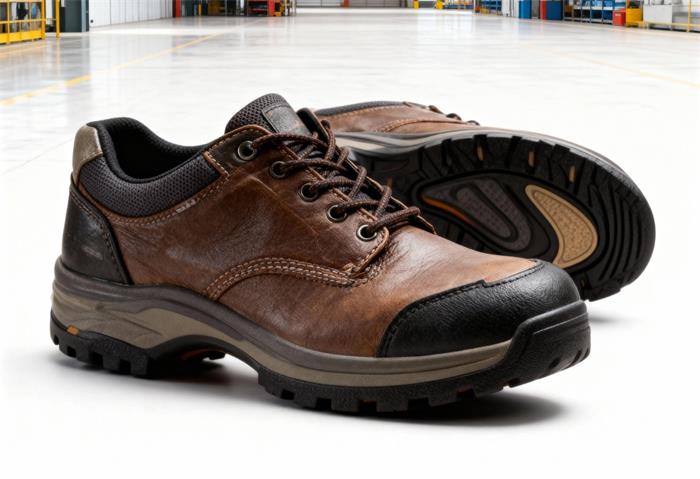
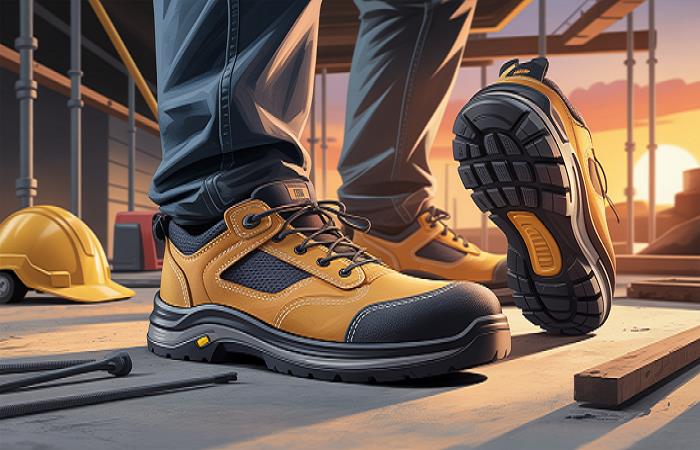










Selection of an appropriate safety shoe by construction workers, manufacturing employees, engineers, and others working in any industry setting is crucial. Considering the numerous safety shoes available in the Indian market, one must not only focus on pricing and looks but also evaluate certification, workplace protection needs, comfort and construction quality while selecting an appropriate safety shoe brand.
Key Points
- Certification: Consider the safety standard that applies and certification of the product itself.
- Protection: Opt for features based on workplace conditions including impact, slip, heat, and electricity.
- Comfort: Choose a model based on good fit, breathability and cushioning.
- Durability: Consider material used, construction of sole and maintenance needs.
- Model Selection: Compare models rather than using brand name alone as the basis.
- ACME Safety Shoes: Consider each model to find appropriate footwear for your workplace.
Top Safety Shoes Brands in India
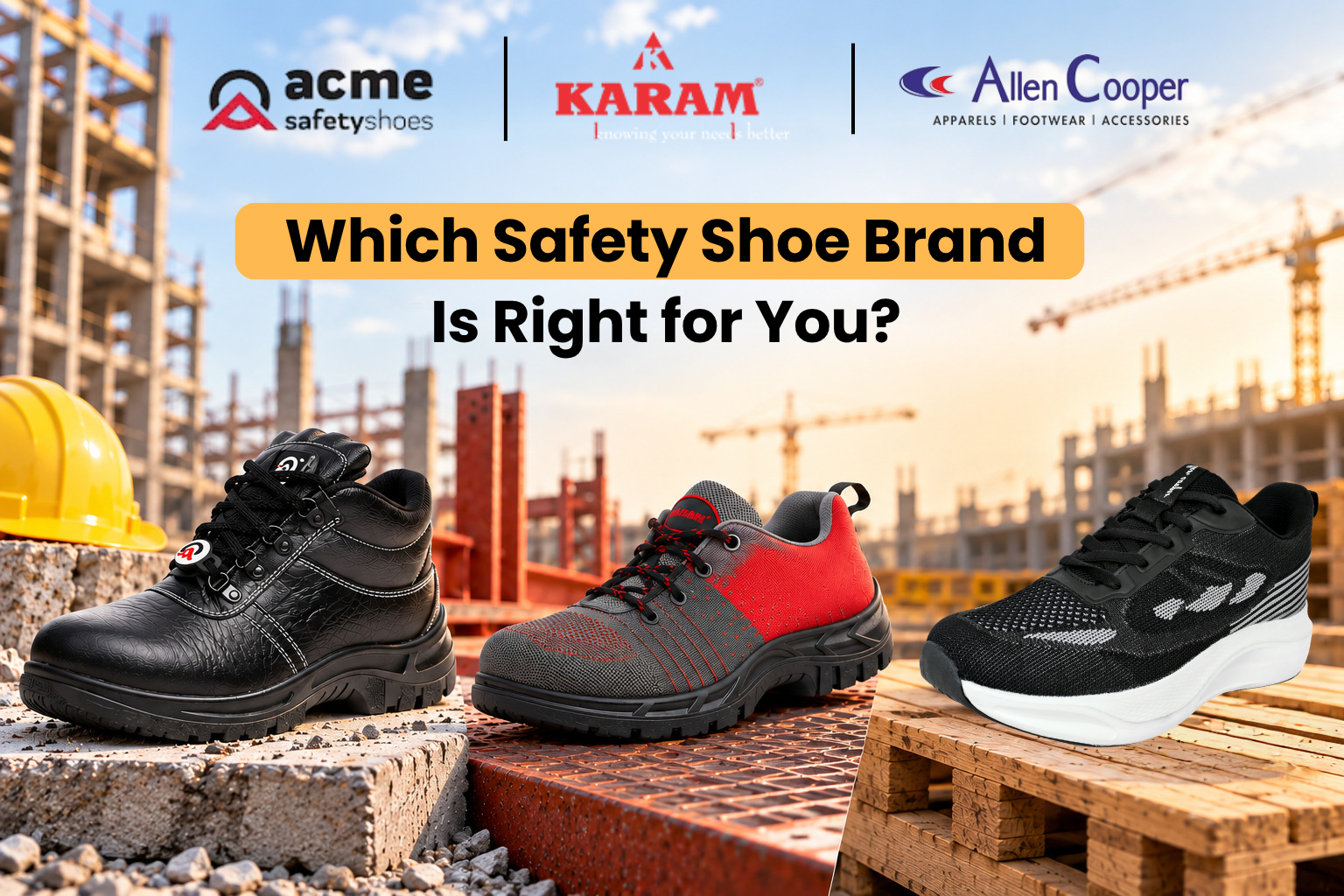
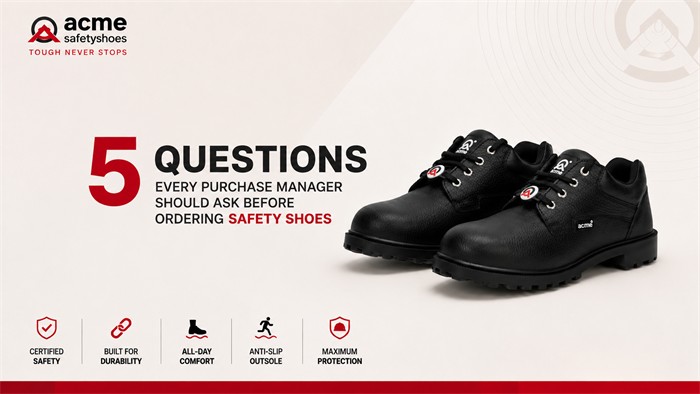
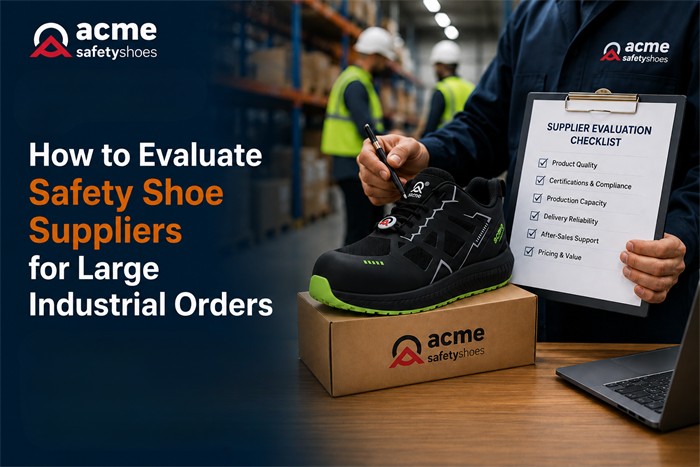
Some popular brands that manufacture safety footwear for industry include ACME Safety Shoes, Bata Industrials, KARAM, Allen Cooper, Liberty Warrior, JCB Safety Shoes and Hillson. The offerings of these brands and their specifications differ, and hence no particular brand becomes better than others per se.
Considerations for comparing these brands include:
- Product certification: Is the model certified as per the standard?
- Safety features: Does it offer the necessary safety?
- Comfort and fit: Is it appropriate for the number of hours one would wear the shoes?
- Product information: Is the specification and application clear?
- Availability: Are the necessary sizes and models available all the time?
The reliable starting point depends on the need and requirement of the job.
Features of a Reliable Safety Shoe Brand
1. Safety Certification Verified
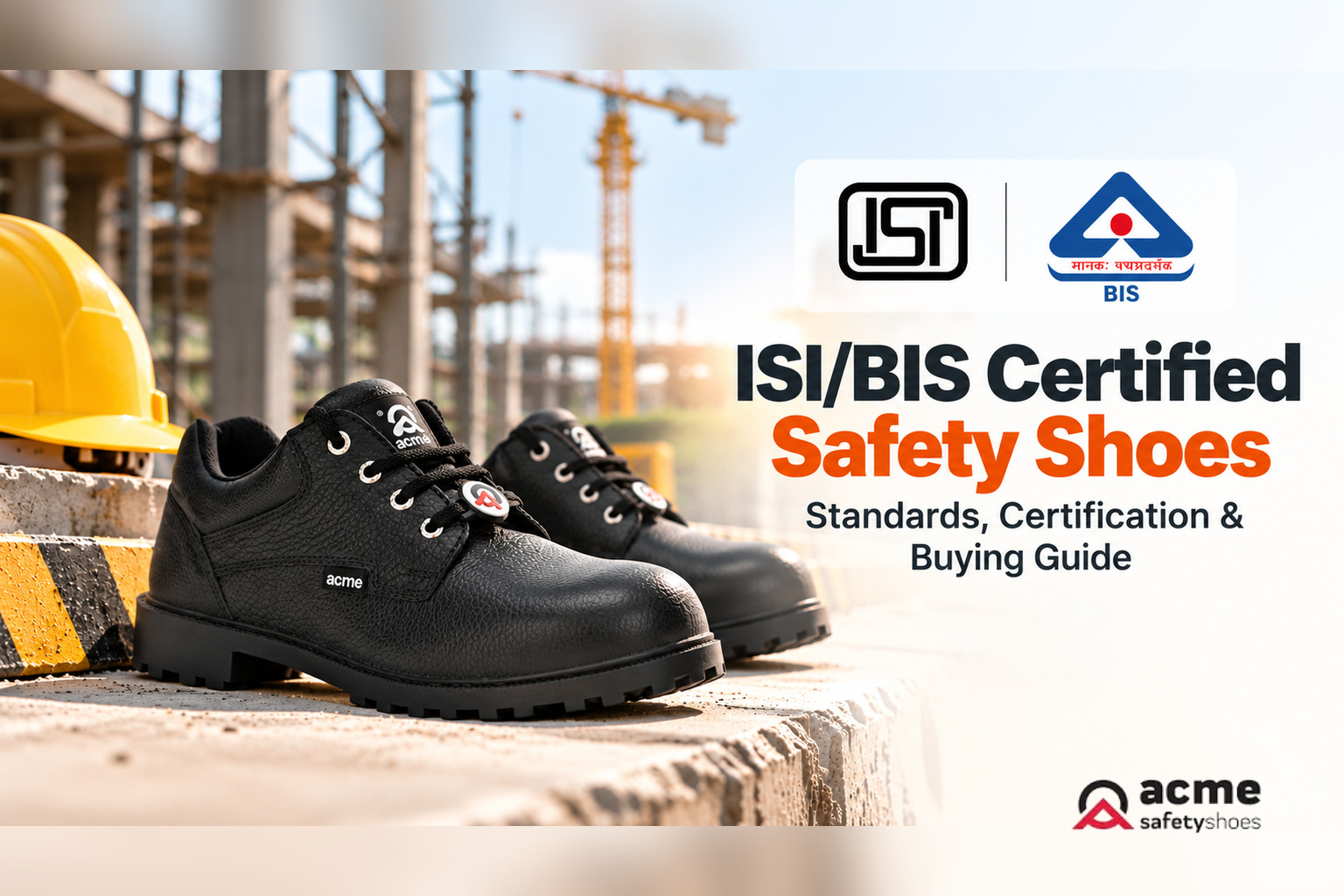
Certification helps the buyer to judge if the safety shoes offered complies with the standards. IS 15298 (Part 2):2024 talks about the safety shoes in India and is based on ISO 20345:2021, as per BIS.
Before purchase:
- The standard and product category relevant to it.
- The certification of the model.
- The technical specification of the manufacturer.
- If the footwear is appropriate for the specific hazards present in the workplace.
Certification means that the product is not necessarily providing all types of protection. The model should correspond to its use.
2. Protective Features for Specific Workplace Hazards
Depending on the type of job, various protective features should be considered:
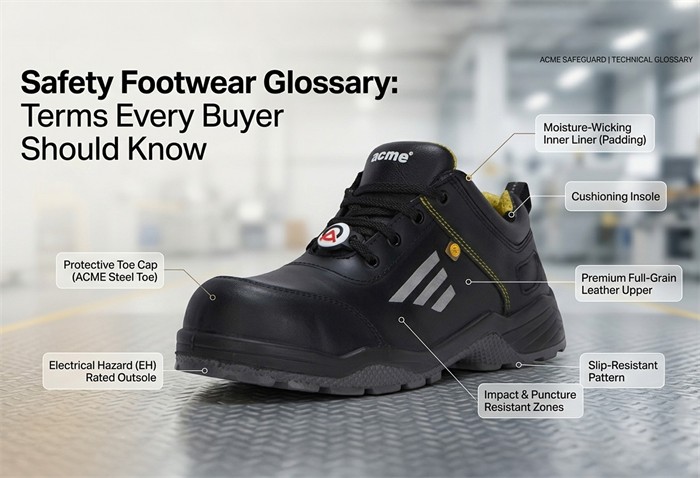
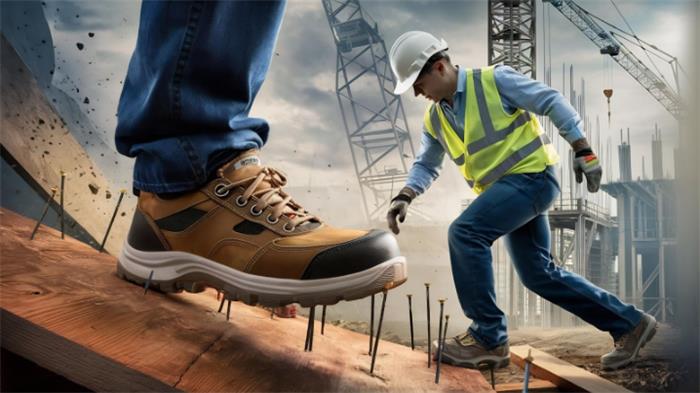
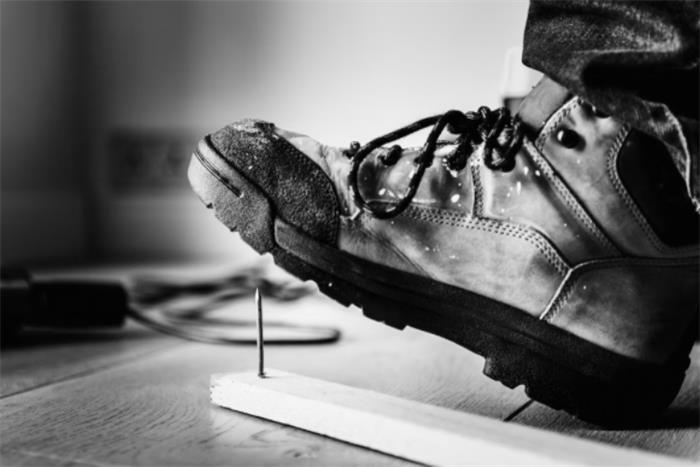
- Toe protection – this will provide protection from certain hazards of impact and compression.
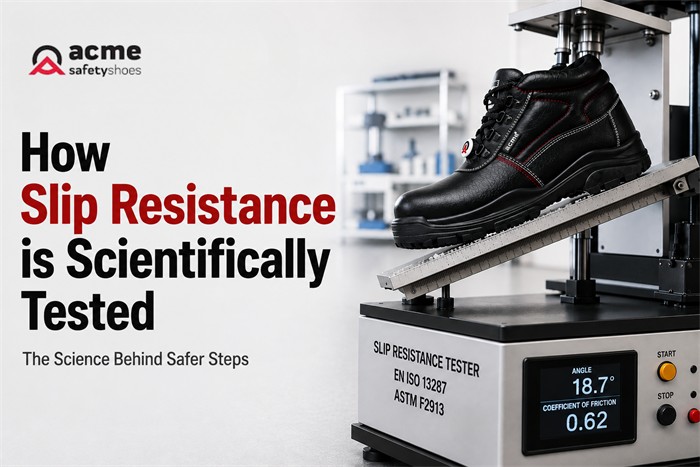
- Slip resistance – allows grip on appropriate work surfaces.
- Resistance to heat – applicable when the footwear might come into contact with heated surfaces under specific conditions.
- Resistance to water – make sure that the product is water repellent or has a defined water resistance requirement.
- Electrical and antistatic features – both features serve different purposes and are not to be used interchangeably.
- Protection from chemical and oil – make sure that the product is appropriate for those conditions.
3. Comfort for Extended Working Hours
The safety shoes may be worn for extended periods of time during long shifts, hence the importance of comfortable fit as an essential criterion in the choice of the model.
Features to look for include:
- Breathable and moisture wicking lining.
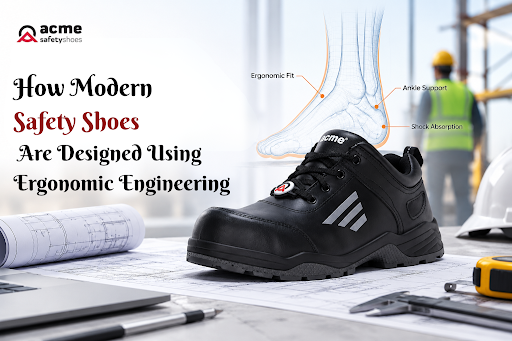
- Cushioned or ergonomic insole.
- Lightweight design, when applicable.
- Flexibility which allows natural motion.
- A comfortable fit that does not create excessive pressure.
Features of comfort should enhance rather than substitute the protection criteria of the workplace.
4. Robustness
The safety shoes intended for use in the industrial environment may suffer from friction and continuous movement as well as from the exposure to workplace substances.
Among other criteria you may wish to take into account:
- Suitable upper material for the particular environment.
- Soles and their construction.
- Tread pattern and gripping capabilities.
- Stitching and overall robustness of the shoe.
Choosing Work Safety Shoes for Your Industry
It is determined by the type of hazards found at your workplace.
- Construction industry: Assess your need for toe protection and other requirements from your risk assessment.
- Manufacturing and engineering industries: Look at impact protection, slip resistance and resistance to fuel/oils where applicable.
- Metals industry and foundry: Check tested heat resistance and applicability for your process.
- Electrical work: Identify the electrical hazard and assess the protective properties of your footwear.
- Warehousing and logistics: Look at fit, comfort, grip and toe protection according to risks in handling and moving around.
- Electronics industry and pharmaceuticals: Check if your workplace requires static control.
These are some general recommendations. Select your footwear according to your workplace hazard assessment and manufacturers’ specifications.
ACME Safety Shoes: Comparing Features by Model
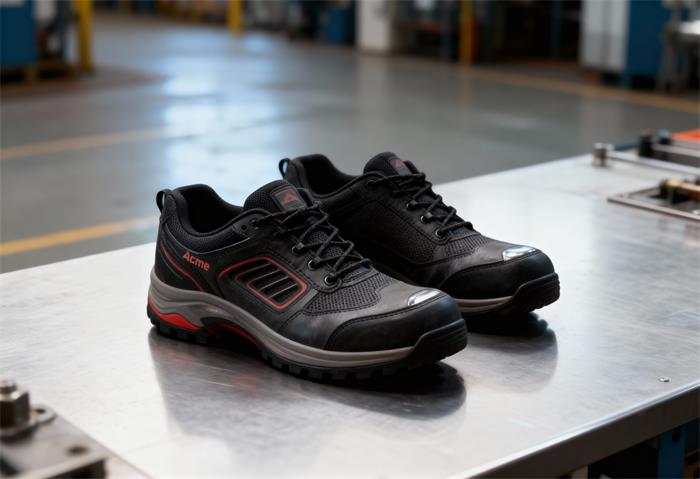
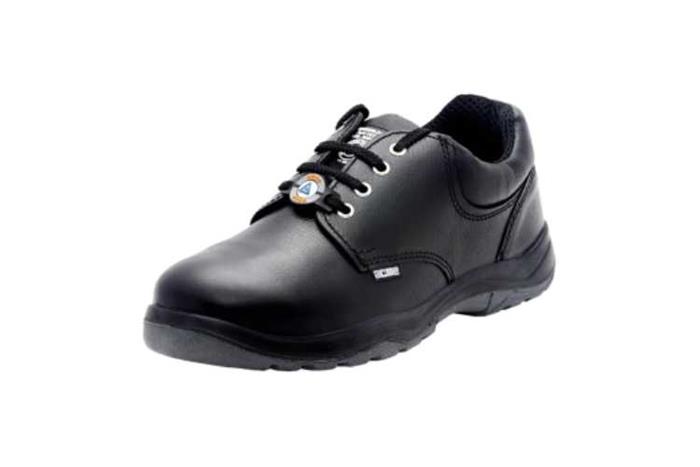
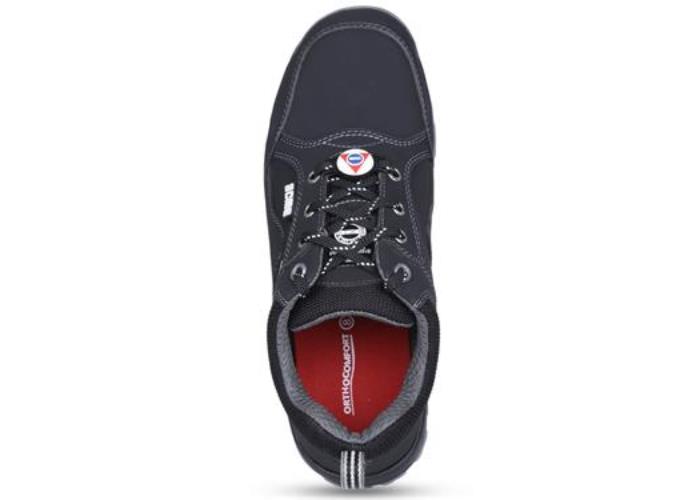
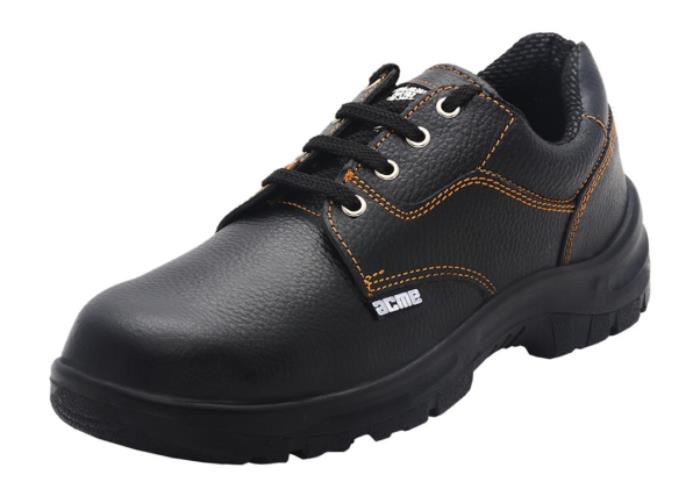
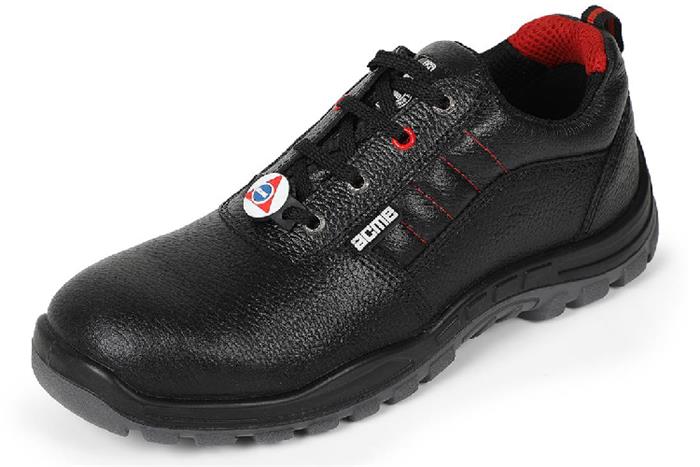
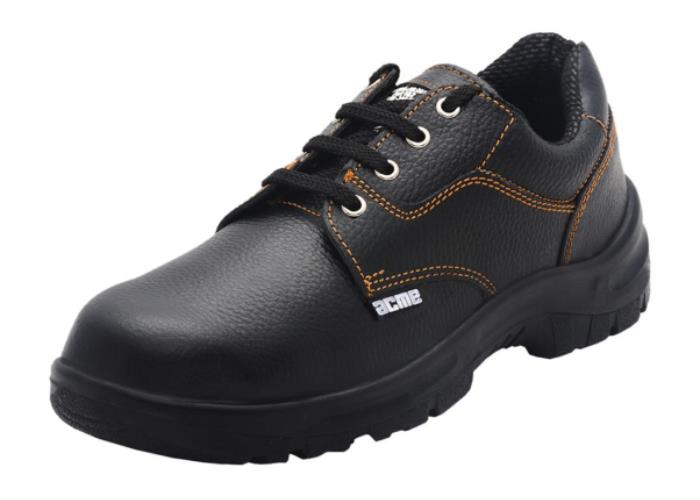
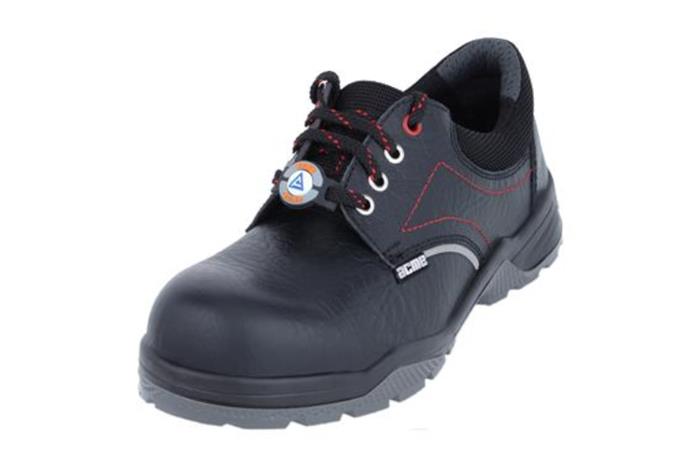
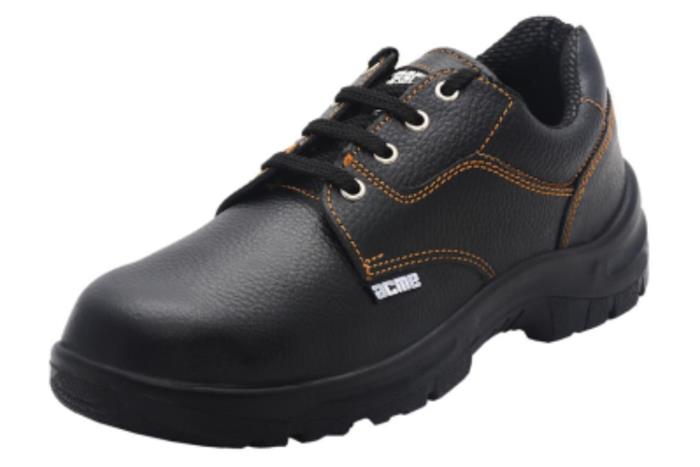
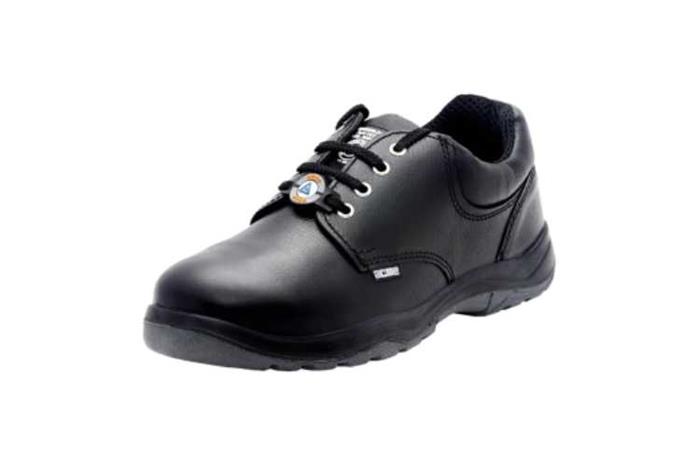
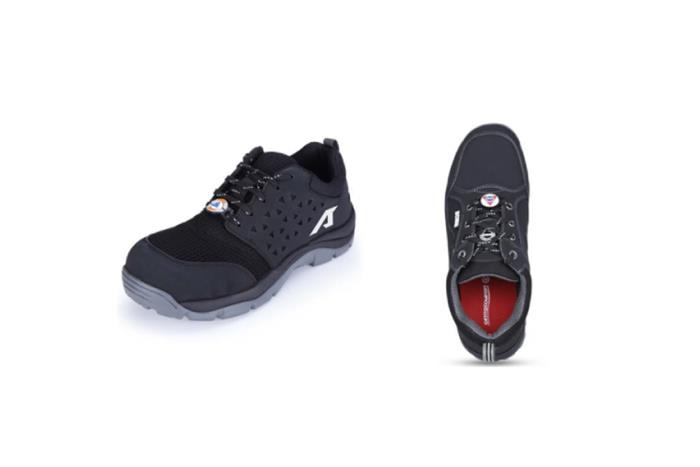
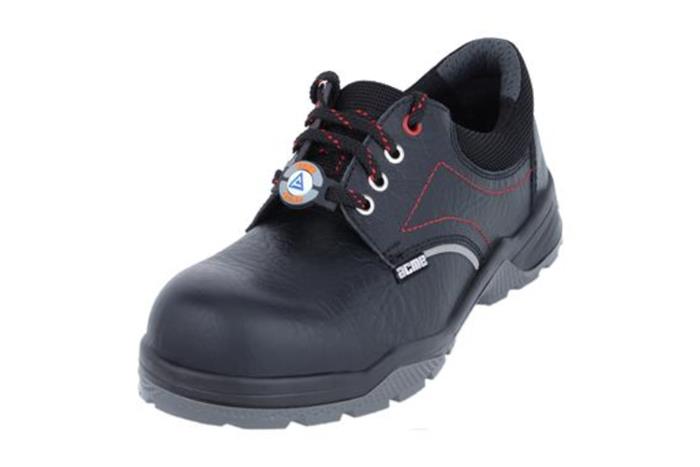
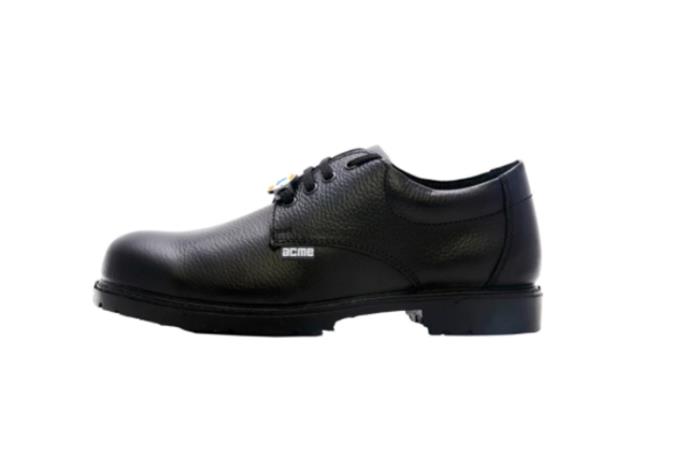
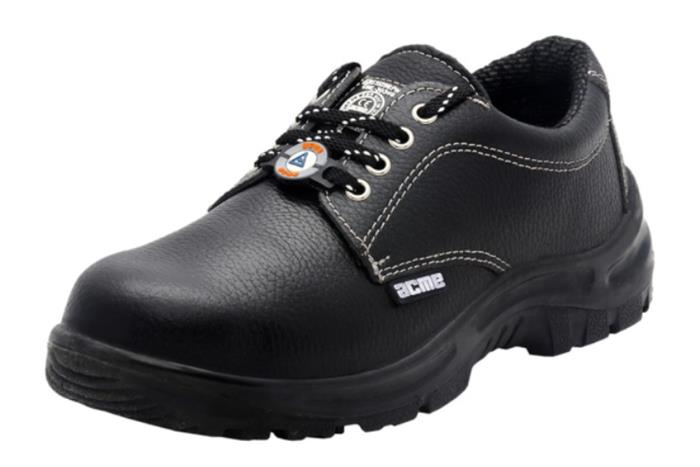
ACME offers safety footwear with different combinations of protection, materials and comfort features. The table below compares three models based on the supplied product information.
| Feature | ACME ACROBAT V2 | ACME TRITON V1 | ACME AGILE V1 |
| Toe protection | Composite with 200 Joules impact resistance | Steel toe cap, 200J impact resistance | Composite toe cap, 200J impact resistance |
| Upper material | Water-repellent microfiber | Water-repellent microfiber | Refer to current product specifications |
| Sole | Double-density Phylon-rubber | Antistatic and slip-resistant | Refer to current product specifications |
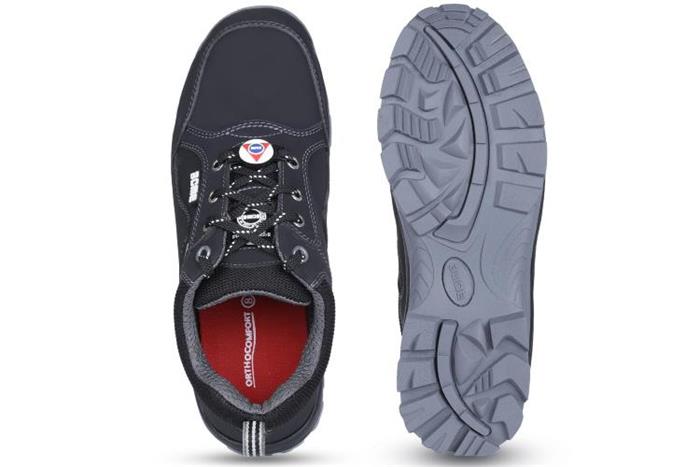
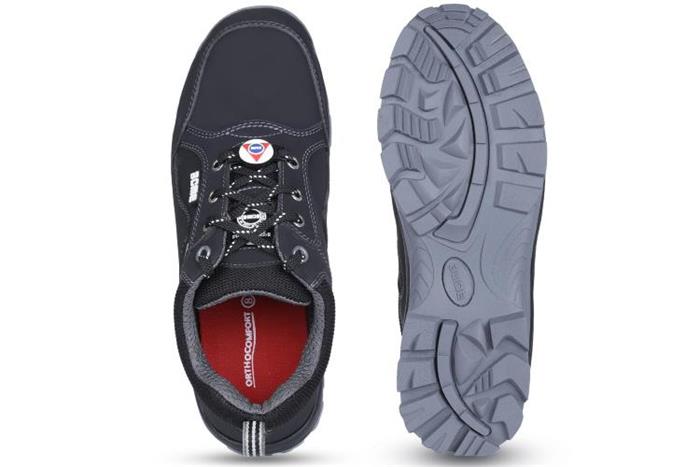
| Comfort features | Breathable lining, cushioned Ergocare footbed | Breathable and Absorbent PERMASPUN | Breathable, absorbent lining and PU Orthocomfort footbed |
| Additional features | Ultrans-Tech Reflective logo on Quarter | Oil, fuel and chemical resistance; reflective strip on Quarter | Lightweight and flexible construction, Reflective Strip on Quarter |
| Listed classification | S2 FO SR HRO | S2 FO SR | S2 FO SR |
| Listed standard | IS 15298 (Part 2):2024 | IS 15298 (Part 2):2024 | IS 15298 (Part 2):2024 |
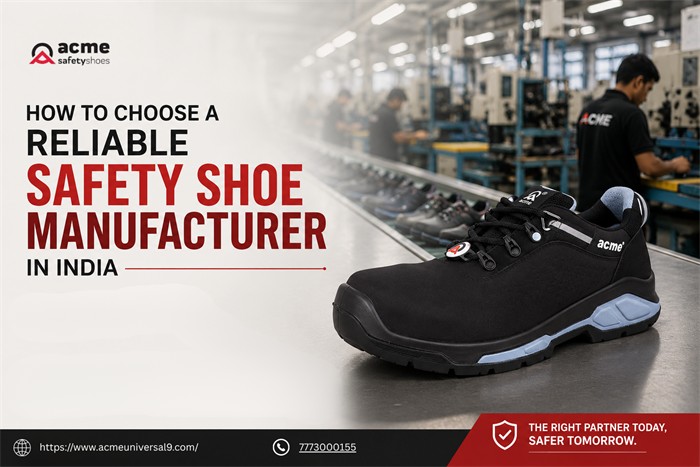
How to Choose a Reliable Safety Shoe Brand
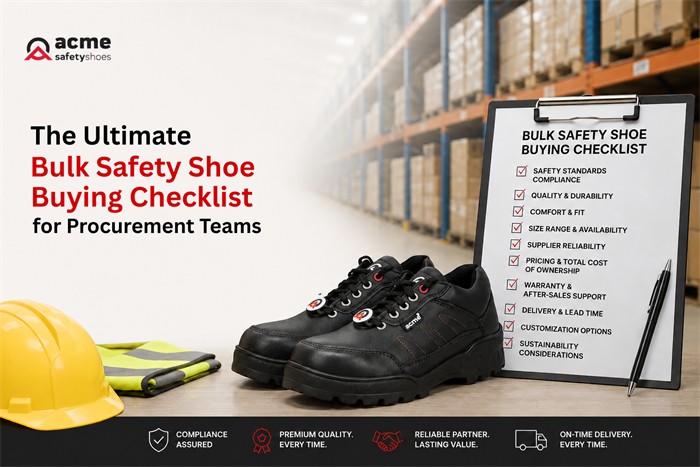
This list will help you choose a reliable brand of safety shoes:
- Identify workplace hazards.
- Find out about the applicable safety standard and model certification.
- Compare protective features that are needed.
- Check fit, comfort, and suitability of materials.
- Read maintenance and replacement information.
When buying in bulk, make sure the sizes are available and the documentation is correct.
Conclusion
Safety shoes are those which can be easily compared in accordance with safety requirements. Consider certification, protection from specific hazards, comfortable design and manufacturing of shoes.
Discover safety shoes made by ACME and compare specifications of certain models.
FAQ
The safety shoes to compare include ACME Safety Shoes, Bata Industrials, KARAM, Allen Cooper, Liberty Warrior, JCB Safety Shoes and Hillson. Your choice will depend on the certification of the particular model.
It means that footwear must be certified, have clearly specified protective features, be constructed correctly and have proper fit.
IS 15298 (Part 2):2024 is an important safety footwear standard. Find out about certification and classification of the particular model.
There is no better option in either case. It depends on what level of protection is needed, work environment and specifications of footwear.
It depends on manufacturer’s recommendations, how often safety shoes are used and the work environment. Also, footwear with damaged sole or protective elements should be reviewed.
