Oct 06, 2025 |
Footwear
The Perfect Shoe Last and Proper Fit: What Every Buyer Should Know
If you are finding the perfect pair of shoes, then understand this: it's not about the style or brand. It does start with the Shoe last and proper fit. The right fit ensures a big difference in comfort and pain, longevity, and wear. This reduces the risk of foot issues. Here is the guide that will walk you through ways you may need to get as a buyer for the best Shoe. Let’s help with understanding the shoe last while decoding the size charts and conve US size shoes to EU measurements.
What Is a Shoe Last?
Typically, the Shoe last is a solid mould or structure around which the real shoe is designed and constructed. Calling it the foot’s blueprint would be the right term. The shape of the shoe determines its fit, comfort, and style. Although there are many types of shoe lasts, understanding them is imperative to choosing the shoes that suit needs, purpose, and shape.
If you are looking for high-quality Safety shoe under this its more vital to check for shoe last, becomes apart from protection, maximum comfort and minimal fatigue is a must for prolonged working hours.
Types of Shoe Lasts
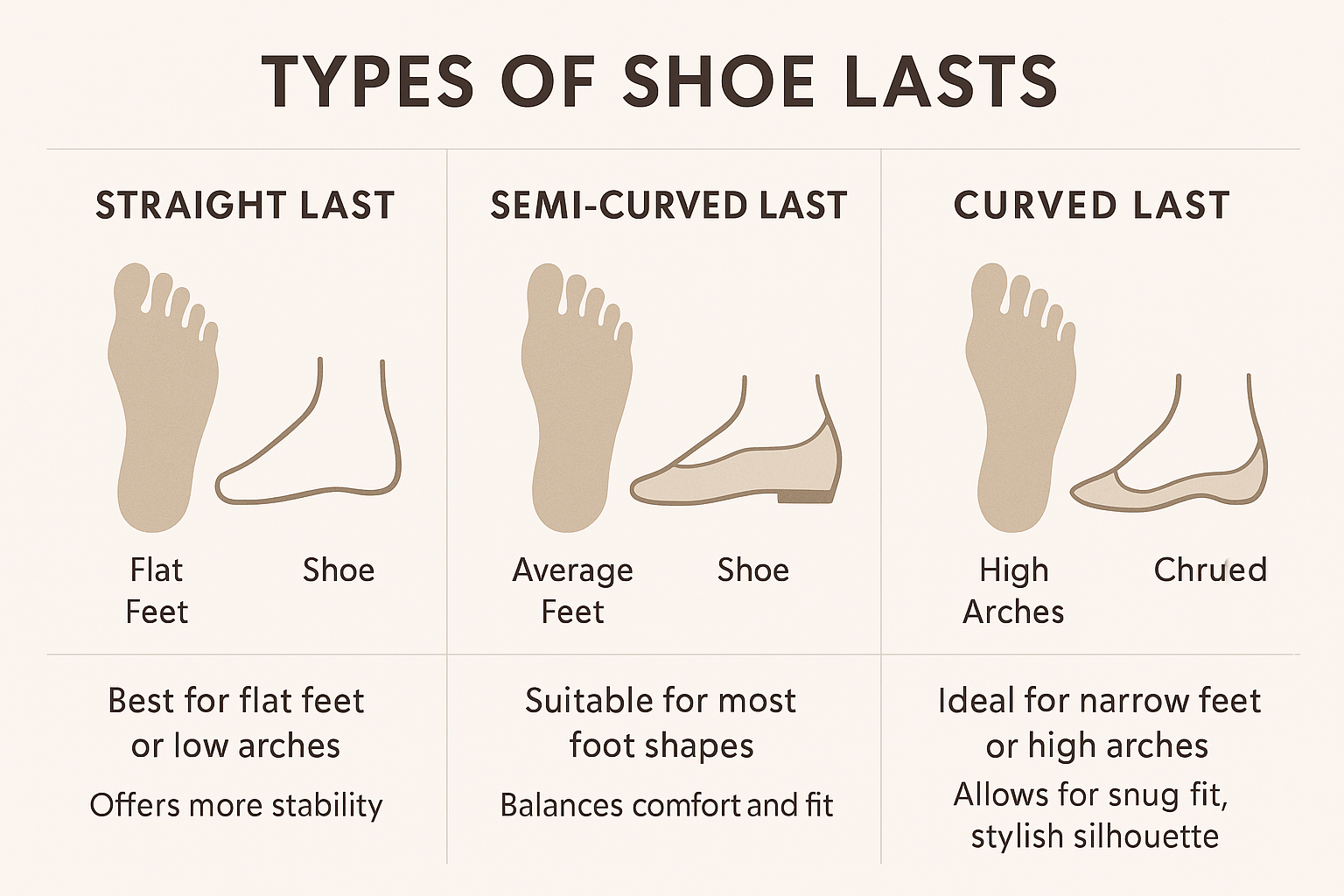
Straight Last:
It's clear that it's typically designed for people with flat feet or low arches. They are best offering more stability—they may feel less curved or flexible.
Semi-Curved Last:
It's a versatile shoe last that is suitable for most foot shapes. This helps in balancing comfort with style—providing a natural fit without compromising aesthetics.
Curved Last:
The curved last is quite ideal for people with narrow feet or high arches. This allows for a snug fit and stylish silhouette. Thus, it is good to be used in dress shoes or high-fashion footwear.
Understanding Proper Shoe Fit
No matter whether you have the perfect shoe last, the fit is still crucial. If the shoes are too tight or too loose, it can definitely lead to blisters, bunions, foot pain, and posture problems. The proper fit isn’t all involved with knowing your size—it's also about how the shoe actually fits around the toes, arch, and heel.
Tips for Choosing the Right Fit
When it's about high-quality safety shoes; important is to perform a walk test on similar surfaces. Good is to ensure grip, stability and toe protection for maximum comfort in all optimal work environments. For those looking for protective footwear; a check on precise fit helps in preventing unnecessary pressure on toes & heels. It supports feet that’s worn for extended shifts on hard and challenging shifts.
Measure Your Feet:
Your foot size can change over time, so it’s important to measure your feet regularly. Measure both feet, as they may be slightly different in size, and choose the size of the larger foot.
Check the Toe Box:
Ensure there is enough room in the toe area — about half an inch between your longest toe and the end of the shoe. This prevents pinching and discomfort.
Heel Fit:
Your heel should feel snug without slipping. A loose heel can cause blisters, while an overly tight heel can restrict blood flow.
Arch Support:
Shoes should follow the natural arch of your foot. If you have high arches or flat feet, look for shoes with proper arch support or consider using insoles.
Walk Test:
Try walking in the shoes before buying. The shoe should feel comfortable immediately — shoes rarely stretch enough to correct a poor fit.
How to Choose Shoe Size
Maybe the right pick of the shoes is challenging, but here is a guide with the perfect fit size. It's worth comparing different brands, countries, and shoe types, varying within sizes; every buyer should know.
Measure Your Foot:
Take a ruler or a Brannock device to measure the standard sizes. Modern shoe charts do include the US size, UK size, and centimetres to get a better understanding of foot size and shoe needs for individuals.
Use a Shoe Size Chart:
The Shoe sizes Chart helps in matching the measurements to standard sizes. Most of the charts do include the US size, UK size, EU size, and centimetres.
Consider Width:
This is important as shoes come in different widths, such as narrow, standard, and wide. Make sure you have picked the shoes that accommodate your foot width, offering perfect grip and comfort.
Try Different Brands:
Don’t get stuck within a brand when it's about shoes—a size 9 in one brand may vary in another, like this same size will make a feel of 9.5 size in another shoe brand. Therefore, it is best to always try for shoes if possible or check return policies for online shoe buying. If you want to purchase safety shoes note that—get the pair with inserts or toe caps; but ideal for comfort and flexibility at the same time.
Common Mistakes to Avoid
Ignoring Shoe Last:
That’s not cool, but it's mostly done by shoe buyers. However, it is important to consider the shoe buying with last as it can lead to discomfort, even if the size is correct.
Not Trying Shoes at the End of the Day:
Try on the choice to best understand the shoe grip, fit, and comfort. Feet swell throughout the day, so trying them in the afternoon or evening is worth getting a good pair and the best-fitting shoes.
Relying Only on Size Numbers:
Of course, numbers differ by brand and region; so the key is to check for the width, shape, and feel—it's next to size.
Skipping Socks:
Do check for the shoes while buying them with socks to get an understanding of their perfect fit and size. Thick socks may require a slightly larger size in shoes.
The Final Verdict:
Buying shoes needs perfect knowledge of the pair that fits into your feet, offering grip and comfort at the same time. Maybe picking the favourite style and brand is always a highlighted part, still, shoe last, measuring feet, and knowing about size charts with conversions are key. It helps in ensuring the comfort, longevity, and minimal to zero strain in the feet. The right pair of shoes would prevent foot pain, support posture, and enhance the performance of the activity you will do all day long. Apart from shoes in regular needs it is specific for protective footwear—which ensures a pair that not only fits perfectly. The perfect shoe provides maximum protection, durability and ergonomic comfort for everyday use.
FAQs
1. What is the ideal shoe that lasts for wide feet?
For wide feet, a straight last or semi-curved last is recommended. These provide more stability and room in the toe box, ensuring comfort throughout the day.
2. Can my shoe size change over time?
Yes. Age, weight changes, and pregnancy can affect foot size and width. It’s a good idea to measure your feet regularly and update your shoe size accordingly.
3. How do I know if my shoe fits properly?
A proper fit should leave half an inch of space in the toe box, a snug heel, and a comfortable arch fit. Walk around to ensure there’s no pinching or slipping.
